Drunk Driving Accident Lawyer in California | Hakakian Law

July 6, 2026

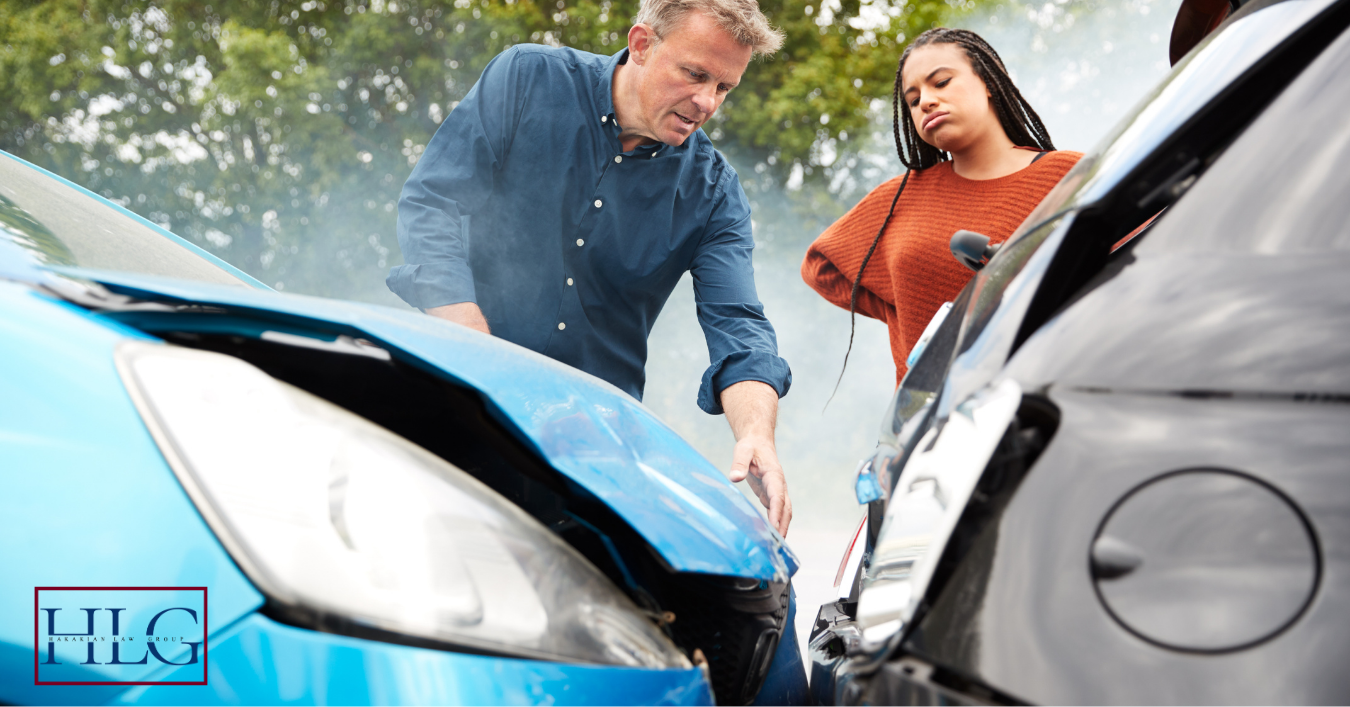
What Makes a Drunk Driving Accident Different From a Regular Car Accident


If a drunk driver hit you, you start from a stronger legal position than an ordinary accident victim. Two features of California law shift a DUI civil case in your favor before your attorney argues a single fact about the crash itself.

The first advantage is negligence per se. In a standard car accident, your attorney has to prove the other driver acted carelessly. When a driver operates a vehicle over the legal blood alcohol limit, they violated a safety statute written to protect the public, and that violation satisfies the negligence element of your claim automatically (andlaw.com). Your case shifts to a narrower question. Did that impaired driving cause your injuries, and what are those injuries worth. You skip the fight over whether the driver was at fault.

The second advantage opens a category of money most crash victims never reach. In Taylor v. Superior Court (1979) 24 Cal.3d 890, the California Supreme Court held that voluntarily driving under the influence shows a conscious and deliberate disregard for the safety of others, which meets the legal definition of malice under Civil Code § 3294 (victimslawyer.com). That ruling matters because punitive damages, money meant to punish the wrongdoer rather than repay your losses, are normally hard to win. The act of drunk driving establishes the malice by itself. Punitive damages are available in virtually every California DUI injury case where intoxication is proven.

A fender bender with a sober but distracted driver gives you economic and non-economic damages. A drunk driving case gives you those plus a third tier and an easier path to proving fault. Understanding both advantages early helps you and your attorney build the case around the compensation actually within reach.


How the Criminal Case and the Civil Case Work Together

The criminal DUI case and your civil claim run on separate tracks, and you do not have to wait for the criminal case to finish before you file your own. The state prosecutes the driver to punish them with jail time, fines, and a license suspension, and in that proceeding you are only a witness. Your civil lawsuit exists to compensate you, and you control every decision in it, including whether to settle.

The two cases apply different standards of proof, and the gap works in your favor. A criminal conviction requires proof beyond a reasonable doubt, the highest bar in the legal system. Your civil claim requires only a preponderance of the evidence, meaning the driver's fault is more likely than not, just over fifty percent. Because of that lower bar, your civil claim can succeed even when prosecutors drop the charges or the driver is acquitted. Charges often fail for reasons that have nothing to do with fault, such as a procedural error or an unavailable witness.


When the driver is convicted after a contested trial, that conviction can lock in the fact of intoxication for your civil case. Under a rule called collateral estoppel, a driver who already lost that fight before a criminal jury cannot come into civil court and argue they were sober. A guilty plea works differently but still helps. Because the driver never actually litigated the issue, the plea does not carry the same automatic effect, but it stands as the driver's own sworn admission and remains powerful evidence.


A conviction or plea also raises what insurers are willing to pay. Once criminal adjudication establishes liability, the insurer faces punitive exposure and, in felony DUI cases involving serious injury or a prior record, a potential attorney's fee award under Code of Civil Procedure section 1021.4. Fee awards in serious injury cases can run well past $100,000, which pushes carriers toward settlement.


You have two years from the date of the accident to file your civil claim under Code of Civil Procedure section 335.1, and that clock runs whether or not the criminal case has resolved. The strongest move is often to file within the deadline to protect your rights, then decide with your attorney whether waiting for a conviction increases your case's value.


The Evidence That Wins a DUI Accident Claim

The criminal investigation hands your civil attorney a ready-made evidence file, and most of it gets created within hours of the crash. When the police respond to a suspected DUI, they document exactly what a civil case needs to prove impairment and fault. Your attorney pulls that same material and puts it to work in your compensation claim.


Several pieces of the criminal record carry directly into a civil case:

  • The DUI arrest report, which records the driver's condition, slurred speech, and behavior at the scene
  • Chemical test results showing blood alcohol concentration above the legal limit
  • Field sobriety test results and the arresting officer's observations
  • Body cam and dash cam footage capturing the driver in real time
  • 911 recordings and dispatch logs that establish the timeline
  • Witness statements given to police at the scene


A BAC reading over the legal limit supports your civil claim even if prosecutors later drop the criminal charges, because the civil standard only requires showing impairment was more likely than not. Without a police report documenting that impairment, the drunk driving theory becomes much harder to prove, which is why an officer at the scene matters so much.


One piece of evidence disappears faster than everything else. If the driver was drinking at a bar or restaurant before the crash, that establishment's security footage often shows how many drinks the driver had and how visibly intoxicated they were when they left. Many businesses overwrite surveillance video within 30 to 72 hours, so no one recovers it once the window closes.


Preserving that footage takes a formal preservation letter sent to the business before its cameras record over the file. An attorney who moves in the first day or two can lock down evidence that would otherwise be gone forever, and that evidence can be the difference between a settlement and a much larger one. Every day you wait, another piece of your case may be recorded over.


Calling Hakakian Law immediately after a drunk driving crash gives Shawn Hakakian the chance to send those preservation letters while the footage still exists. The consultation is free, and acting fast costs you nothing.


Punitive Damages: When California Law Lets Victims Collect More

Punitive damages punish the drunk driver directly, and they sit on top of the money that repays your medical bills and lost income. Ordinary compensation asks what your injuries cost. Punitive damages ask what the driver's conduct deserves. California allows them in most DUI injury cases, which is why a drunk driving claim can be worth far more than a routine crash of the same physical severity.

The authority comes from Civil Code § 3294, which permits punitive damages when the defendant acted with malice. Malice means despicable conduct carried on with a willful and conscious disregard for the safety of others. It does not require that the driver intended to hurt anyone. It only requires that the driver knew the conduct was dangerous and chose it anyway.


Drunk driving fits that definition almost by design. In Taylor v. Superior Court, the California Supreme Court held that a person who voluntarily drinks and then drives shows conscious disregard for the safety of everyone on the road. The driver does not need to have known you specifically. Knowing the conduct would probably injure someone is enough.

You do carry a higher standard of proof for these damages. Instead of the ordinary "more likely than not" test, you must show malice by clear and convincing evidence. Courts describe that as a high probability, stronger than a coin flip but not the beyond-a-reasonable-doubt bar of a criminal trial. A documented arrest, a chemical test showing intoxication, and the police report usually clear it comfortably.


How the trial is split in two

California bifurcates any trial involving punitive damages, and you have a right to that split. In the first phase, the jury decides whether the driver acted with malice and what your compensatory damages are. Only if the jury finds malice does a second phase begin, where the jury hears evidence of the driver's finances and sets the punitive figure. The split keeps the jury from anchoring on the driver's wealth before deciding liability.

Felony DUI cases add one more lever. When a driver is convicted of a felony for causing serious injury or death, Code of Civil Procedure § 1021.4 lets the court order the driver to pay your attorney's fees on top of every other award. Ordinary negligence cases offer nothing like it. A felony conviction, punitive exposure, and a possible fee award together give an insurer strong reasons to settle rather than gamble at trial.


What You Can Recover: Economic, Non-Economic, and Punitive Damages

California law lets you recover three distinct types of compensation after a drunk driving crash, and understanding all three helps you see what your case is actually worth. Most victims focus only on medical bills, but bills are just the first tier. The full picture includes economic losses, non-economic harm, and punitive damages that punish the drunk driver directly.


Economic damages cover every dollar the crash costs you. Medical treatment leads the list, and a single herniated disc requiring surgery can run $80,000 to $150,000 or more. Add lost wages, reduced future earning capacity, property damage, and ongoing rehabilitation, and catastrophic injuries reach seven figures. These numbers come from receipts, pay stubs, and physician reports, so they are the hardest for an insurer to dispute.


Non-economic damages compensate the harm that has no invoice. Pain, physical limitation, disfigurement, and the loss of activities you used to enjoy all fall here. Attorneys typically calculate these using a multiplier method, where they take your economic damages and multiply by a factor tied to injury severity. In serious cases, that multiplier commonly runs between 2 and 5, so $100,000 in economic losses can support $200,000 to $500,000 in pain and suffering. For injuries with a defined recovery period, some attorneys instead use a per diem method, assigning a daily dollar value to your suffering across the time you were affected.


Punitive damages form the third tier, and they exist because the driver chose to drive drunk. Unlike the first two categories, punitive damages are not meant to make you whole. They punish the defendant and deter others, and California puts no statutory cap on the amount. That tier is unavailable in an ordinary fender bender, which is one reason a DUI case can be worth far more than a comparable crash caused by simple carelessness.


How you pursue these numbers changes the result more than most victims realize. Insurers run claims through valuation software that lowballs pain and suffering and treats every claimant as a spreadsheet entry. An experienced attorney counters that software with documented treatment, credible expert testimony, and a properly pleaded punitive damages demand that raises the insurer's exposure. Studies of injury claims consistently find that represented victims recover several times more than those who negotiate alone, and the gap widens as injuries get more severe. Shawn Hakakian builds each of the three tiers deliberately rather than accepting the insurer's first number, because the difference between a rushed settlement and a full one is often the largest financial decision you will make after the crash.


When the Drunk Driver Has No Insurance (or Not Enough)

Learning the driver who hit you had no insurance feels like a second injury, but California law gives you real recovery paths that do not depend on that driver's policy at all. Roughly 1 in 6 California drivers carries no coverage, and Los Angeles County alone reported about 29,000 uninsured motorist crashes in a recent study year. The law anticipated this problem, and your own policy is often the first place your recovery comes from.


Your own UM/UIM coverage steps in

California Insurance Code § 11580.2 requires every auto insurer to offer uninsured and underinsured motorist coverage, and you carry it unless you signed a written waiver rejecting it. Uninsured motorist bodily injury pays your medical bills, lost wages, and pain and suffering when the at-fault driver has no insurance at all. Underinsured motorist coverage fills the gap when the drunk driver's policy runs out before your damages do.


The gap-fill math matters. Suppose you have a $150,000 injury claim and the drunk driver pays their $15,000 minimum limit. If you carry $100,000 in UIM coverage, that policy pays the next $100,000, bringing your total recovery to $115,000 instead of $15,000. You file this claim against your own insurer, not the other driver.


One limit shapes strategy. UM/UIM coverage does not pay punitive damages. Because drunk driving qualifies for punitive damages under California law, pursuing the drunk driver directly still matters even when your own coverage handles the compensatory side.


Other defendants may be on the hook

The drunk driver is rarely the only party who can pay. If the driver borrowed someone else's car, Vehicle Code § 17150 can impose liability on the vehicle's owner. If the driver was working at the time of the crash, the employer may be liable under vicarious liability rules regardless of the driver's own insurance. Each of these opens a deeper source of compensation than a broke driver can provide.

California also holds bars and social hosts liable in one narrow situation. The state does not allow claims against businesses that overserve intoxicated adults, but Civil Code § 25602.1 permits a claim against a bar or store that served alcohol to an obviously intoxicated minor under 21 when that service caused the crash. A social host who furnishes alcohol to a minor faces the same exposure. Finding every available defendant is exactly the work an experienced attorney does before deciding a case is small.


Steps to Take After a Drunk Driving Accident in California

The choices you make in the hours and days after a drunk driving crash shape how much you can recover later. Follow this sequence, and if you are reading this after the fact, start wherever you are now.

  1. Call 911 and make sure the officer documents impairment. Tell the responding officer everything you noticed, including the smell of alcohol, slurred speech, or open containers. The police report and any DUI arrest become the backbone of your civil claim, so the officer's notes on the driver's condition matter enormously.
  2. Get medical care immediately, even if you feel fine. Adrenaline masks injuries, and a same-day medical record ties your injuries to the crash. Gaps in treatment give insurers an opening to argue your injuries came from something else.
  3. Document the scene. Photograph the vehicles, the road, your visible injuries, and anything suggesting the other driver was impaired. Get names and phone numbers from every witness, because witness statements often confirm erratic driving before police arrive.
  4. Report a hit-and-run within 24 hours and notify your insurer within 30 days. If the drunk driver fled, prompt police reporting protects your uninsured motorist claim. California insurers require timely notice, and missing these windows can jeopardize your coverage.
  5. File an SR-1 with the California DMV within 10 days. State law requires this report for any crash causing injury, death, or over $1,000 in property damage. Missing the deadline can lead to license suspension, an avoidable problem on top of everything else.
  6. Contact Hakakian Law before the evidence disappears. Bar surveillance footage is often overwritten within 30 to 72 hours, and it can be the piece that proves where the driver was drinking. Once that footage is gone, no one can recover it.


The sooner an attorney gets involved, the more evidence survives to support your case. That timing directly affects both liability and the punitive damages available in California DUI cases.


Reaching out costs you nothing. The consultation is free, and Hakakian Law works on a contingency fee, so you pay no legal fees unless the firm recovers money for you. You carry no out-of-pocket risk at the moment you can least afford it.


How Hakakian Law Handles Your DUI Accident Case

Shawn Hakakian works your case personally, not through a rotating cast of associates and paralegals you never meet. He built the firm around Southern California drunk driving victims because these cases reward attorneys who move fast and press hard, and he treats each client as someone recovering from an injury a stranger inflicted on them. When you call, you talk to the person who will actually try your case.


The firm advances every advantage the law gives DUI victims, starting the day you sign on. Shawn moves immediately to preserve the evidence that disappears, sending letters to bars whose surveillance footage overwrites within 72 hours and pulling police reports, body cam recordings, and chemical test results before anything gets lost. Early preservation protects the negligence per se and punitive damage arguments that make your case stronger than an ordinary crash claim.


Shawn pleads punitive damages under Civil Code § 3294 from the start, backed by the specific facts Taylor v. Superior Court requires, so the drunk driver faces a damages tier that ordinary defendants never confront. That exposure changes how insurers behave. When an insurer sees a well-pleaded punitive claim, a criminal conviction on the horizon, and a possible felony attorney's fee award under CCP § 1021.4, its incentive to lowball collapses. Shawn uses that pressure to push settlements toward the full value of your economic, non-economic, and punitive damages.


You pay nothing unless Shawn wins. The firm works on contingency, covers case costs up front, and takes its fee only from money recovered on your behalf. The consultation is free, and there is no risk to you in finding out what your claim is worth.


Frequently Asked Questions

Can I sue if the drunk driver was acquitted?

Yes. A criminal acquittal does not bar your civil claim because the two cases use different standards of proof. Criminal court requires proof beyond a reasonable doubt, while a civil claim requires only a preponderance of the evidence, meaning it is more likely than not the driver was at fault. Charges often fail for procedural or constitutional reasons that have nothing to do with whether the driver actually caused your injuries.

How long do I have to file?

California gives you two years from the date of the accident to file a personal injury lawsuit under Code of Civil Procedure § 335.1. Wrongful death claims run two years from the date of death. Waiting risks losing your right to recover entirely, and evidence like bar surveillance footage disappears within days.

Can I get punitive damages if the driver had no assets?

Sometimes, but collecting them depends on what the driver actually owns. A court can award punitive damages against a drunk driver under Civil Code § 3294 regardless of assets, yet a judgment against someone with no money may go unpaid. Your attorney will look for other sources of recovery, including the driver's insurance for compensatory damages and any secondary defendants like a vehicle owner or employer.

What if I was partly at fault?

You can still recover under California's pure comparative negligence rule. Your compensation is reduced by your percentage of fault, so if you are found 20 percent responsible, you receive 80 percent of your damages. Even substantial fault on your part does not eliminate your right to collect from a drunk driver.

Does a criminal conviction guarantee I win the civil case?

No, but it makes your case much stronger. A conviction after a contested trial can stop the driver from denying intoxication in civil court through the doctrine of collateral estoppel. It does not prove the amount of your damages, the extent of your injuries, or your future medical needs, all of which you must still establish in the civil case.

What if the drunk driver fled the scene?

You still have recovery paths even if the driver is never found. Your own uninsured motorist coverage under Insurance Code § 11580.2 can compensate you for a hit-and-run driver's conduct. Report the incident to police within 24 hours and to your insurer promptly, because delay can jeopardize your claim.

How much does it cost to hire Hakakian Law?

Nothing upfront. Hakakian Law works on a contingency fee, which means you pay no attorney's fees unless the firm recovers money for you. The initial consultation is free, so you can learn where your case stands without any financial risk.


Talk to a Drunk Driving Accident Lawyer Today

A drunk driver upended your life in seconds, and now you are facing medical bills, lost income, and a legal system you never asked to navigate. You did nothing wrong, and the law gives you real leverage against the person who hit you.


Shawn Hakakian takes these cases personally and handles them himself, not through a rotating cast of paralegals. He builds the punitive damages case, preserves the evidence before it disappears, and pushes insurers toward the full amount you deserve.


The consultation is free, and you pay nothing unless he wins your case. Call Hakakian Law today, tell Shawn what happened, and let him carry the legal fight while you focus on healing.


  • California treats drunk driving as negligence per se, so the DUI violation itself proves the driver was at fault. You start from a stronger position than a victim in an ordinary crash.
  • Under Taylor v. Superior Court and Civil Code § 3294, drunk driving qualifies as malice, which opens punitive damages that standard car accident claims cannot reach.
  • Hakakian Law offers a free consultation and works on contingency, so you pay no fee unless you win.
  • You have two years to file under CCP § 335.1, but bar surveillance footage often disappears within 30 to 72 hours, so calling quickly protects your evidence.
  • Even an uninsured drunk driver leaves you options through UM/UIM coverage and other responsible parties.


Disclaimer: This post is considered attorney advertising and is for informational purposes only. It does not create an attorney-client relationship. Past results do not guarantee future outcomes. 


By Astrid Querales July 2, 2026
Why Truck Accidents Hit Harder Than Car Accidents
July 2, 2026
Where Slip and Fall Accidents Happen in Los Angeles
June 30, 2026
Why Los Angeles Accident Victims Need to Know Their Accident Type The type of accident you were in decides which legal rules, insurance policies, and deadlines apply to your case. A truck crash pulls in federal regulations and multiple companies. A bus crash run by Metro cuts your filing window to six months. Get the type wrong, and you can lose money or miss a deadline that ends your claim entirely. Los Angeles makes this urgent. The county sees about 4,700 car accidents a year, killing roughly 700 people, plus thousands of pedestrians and cyclists hurt annually ( calltheaccidentguys.com ). With that many crashes, the rules change fast depending on what hit you. This guide breaks down each accident type, what makes it legally different, and what to do next. Shawn Hakakian and his team use it as a reference to match your situation to the right legal path. Car Accidents (Collisions Between Passenger Vehicles) Car accidents are crashes between regular passenger vehicles, and they are the most common type of accident on Los Angeles roads. The county sees an estimated 4,700 car accidents a year, with about 700 deaths . Most crashes fall into one of four patterns, and each tends to cause its own kinds of injuries. A rear-end crash happens when one car hits the back of another. These often cause whiplash and brain injuries from the head snapping forward. A T-bone, or side-impact crash, strikes the side of a vehicle and frequently leads to broken bones, cuts, and internal injuries. A head-on collision is the deadliest pattern. Two cars hit front to front, and drivers face the highest fatality rate along with brain trauma, neck and spine damage, and leg fractures. A rollover flips the vehicle and can throw a person from the car, which causes some of the most severe injuries of all. How fault works in California California is an at-fault state, which means the driver who caused the crash pays for the damage. It also follows a rule called pure comparative negligence . You can still recover money even if you were partly to blame. Your payment drops by your share of fault. If a jury says your case is worth $100,000 and finds you 20 percent at fault, you receive $80,000. Insurance companies use this rule against you. They try to pin more blame on you to cut what they owe. After a crash, get medical care, photograph the scene, and collect witness names. Then call Shawn Hakakian before you talk to the other driver's insurer, because what you say can shift the fault math against you. Truck and Big Rig Accidents A crash with a big rig or semi-truck is the hardest type of vehicle accident to win, because federal trucking rules and California fault law both apply at once. Trucks operating across state lines must follow Federal Motor Carrier Safety Administration rules that cover how long a driver can stay on the road, how loads must be secured, and how often trucks get inspected. When a trucking company breaks one of those rules, that violation becomes powerful evidence of negligence in your case. Who can be held responsible: More than one party often shares the blame. The driver may have been speeding or driving while exhausted. The trucking company may have skipped maintenance or pushed an unrealistic schedule. A separate company that loaded the cargo may have stacked it wrong. Liability can fall on the driver, the company, or both, and naming every responsible party is what gives you a real shot at full compensation. Truck accident injuries tend to be severe because a loaded big rig can weigh 20 to 30 times more than a passenger car. Victims commonly suffer brain injuries, spinal damage, broken bones, and internal organ damage. Many of these injuries require surgery, long rehabilitation, or lifelong care, which is why these claims are worth far more than a typical car accident. The discovery process sets truck cases apart. Trucks carry a black box that records speed, braking, and hours behind the wheel, and drivers keep logs that show whether they followed the rules. Trucking companies can erase or overwrite this data within days, so you have to act fast to preserve it. If a truck hit you, contact a truck accident attorney in California before the evidence disappears. Shawn Hakakian moves quickly to lock down the records that prove your case. Motorcycle Accidents Insurers routinely blame motorcyclists for their own crashes, and that bias is the single biggest threat to a rider's claim in California. Adjusters assume a rider was speeding, weaving, or reckless, even when a car driver caused the collision. California uses pure comparative negligence, which means the insurer fights to pin a percentage of fault on you so it can shrink your payout. If they convince a jury you were 30% responsible, your recovery drops by 30%. That math is why a rider on a serious case needs a lawyer who pushes back on the blame from the start. Two California rules shape how much a rider can recover. Lane-splitting is legal in California, so the insurer cannot use it alone to argue you were negligent, though they will still try. Helmet use matters too, because failing to wear one can let the other side argue your head injuries were partly your own fault, which lowers the damages tied to those injuries. A skilled attorney separates what the law actually allows from the story the insurer wants to tell. Motorcycle injuries are severe because a rider has no metal cage around them. Road rash, broken bones, and traumatic brain injuries are common, and many riders face surgeries, long rehab, and permanent limits on work and daily life. Damages in these cases often run high, which gives insurers even more reason to fight liability hard. Get medical care right away, photograph the scene and your gear, and avoid giving a recorded statement to the other driver's insurer. If you were hurt riding in Los Angeles, talk to Shawn Hakakian before you talk to an adjuster. He handles each case personally so you are not left explaining your crash to a rotating set of staff. Rideshare Accidents (Uber and Lyft) A rideshare accident in an Uber or Lyft works differently from a regular car crash because the coverage depends on what the driver was doing the moment the wreck happened. California sorts rideshare driving into three stages, and each stage triggers a different insurance policy. Getting the stage wrong can leave a victim chasing the wrong company for money. When the driver had the app turned off, only the driver's personal auto insurance applies, just like any other private vehicle. When the driver had the app on but had not yet accepted a ride, a limited contingent policy kicks in, with lower coverage limits. When the driver had accepted a ride or was actively carrying a passenger, the full commercial policy applies, and those limits are far higher. Uber and Lyft carry much higher liability limits than an average driver, which is good news for victims who get hurt. The catch is that the high limits only apply during the active-ride stage. If you assume the big policy covers you when only the personal policy was active, you can build your claim around money that was never available. Sorting out which tier was active takes records from the rideshare company, including trip logs and the timing of when the driver accepted the ride. Those records sit with Uber or Lyft, not with the victim, so a lawyer often has to request them directly. Do not accept a quick settlement before you know which policy was active when the crash happened. An adjuster may offer a fast check based on the lowest tier, hoping you sign before anyone checks the trip data. Shawn Hakakian pulls the rideshare records first, confirms which policy applies, and pursues the full coverage you are owed. Bicycle Accidents A bicycle gives you no protection when a car hits you. Your body absorbs the full force of the crash, so even a slow collision can break bones, tear skin, or cause a head injury. Drivers and their insurers know this, and they often try to shift blame onto the cyclist to pay less. Insurers raise the same arguments over and over. They claim you rode in the wrong lane, ignored a signal, or weren't wearing a helmet. California uses pure comparative negligence, so any fault they pin on you cuts your payment by that percentage. Even a small share of blame, decided by an adjuster, can take thousands of dollars off your recovery. California law gives you the same right to the road as any driver. A car must yield to you, share the lane, and obey traffic signals around you. When a motorist breaks one of those rules and hits you, that violation can establish negligence per se. That means the driver's broken rule is treated as automatic proof of carelessness, and you no longer have to argue that they should have behaved differently. Los Angeles sees roughly 2,000 bicyclist victims each year, according to the California Office of Traffic Safety . Riding here carries real risk, and the legal fight after a crash is just as real. If a car hit you while riding, photograph the scene, get the driver's information, and see a doctor the same day. Then call a lawyer before you talk to the driver's insurer. Pedestrian Accidents A pedestrian struck by a car has almost no protection, so even a slow-moving vehicle can cause broken bones, internal bleeding, or a traumatic brain injury. Unlike a driver inside a steel frame with airbags, a person on foot absorbs the full force of the impact. The injuries that follow are often catastrophic or fatal, even when the car was barely moving in a parking lot or at a crosswalk. Los Angeles puts pedestrians in danger every day, with roughly 3,500 pedestrian victims each year across the county ( calltheaccidentguys.com ). Despite those numbers, drivers owe people on foot a clear duty of care, and pedestrians are rarely the cause of their own injuries. Insurers still push back hard. They often argue the victim crossed against a signal or stepped out suddenly, hoping to shift blame and cut the payout under California's comparative fault rule. The most important step after a pedestrian crash is to get medical care right away, even if the pain feels minor at first. Internal injuries and brain trauma frequently surface hours or days later, and a delay in treatment gives the insurer a reason to claim you were not really hurt. A prompt medical record also documents the link between the crash and your injuries. Before you talk to the driver's insurance company, speak with Shawn Hakakian so the early statements you make do not get used to blame you for something the driver did. Bus Accidents A bus accident in Los Angeles can put you up against a public agency, and that changes the clock on your case. Buses run by Metro or the Los Angeles Department of Transportation count as government entities under California law. When a government bus injures you, you do not get the usual two years to act. You have only six months to file an administrative claim with the agency before you can sue. Callout: Miss the six-month deadline, and you typically lose the right to recover anything at all. The court will bar most claims that arrive late, no matter how serious your injuries are. That short window is the single most important fact for anyone hurt on a city bus. Private bus operators follow a different rule. If a charter bus, a tour bus, a shuttle, or a school bus owned by a private company hits you, the standard two-year deadline applies. You still want to act early, but you are not racing a six-month clock. The first question to answer is who owns and operates the bus, because that answer decides which deadline controls your case. Bus crashes often cause severe injuries because passengers ride without seatbelts and pedestrians have no protection. Riders suffer broken bones, head trauma, and spine injuries when a bus stops short or rolls. You can recover medical bills, lost wages, and pain and suffering, the same damages available in other accident cases. If a bus hurt you, find out fast whether the operator is public or private, then talk to an attorney right away. Shawn Hakakian can identify the correct deadline and file the claim before it expires. Drunk Driving Accidents A drunk driving crash gives you a major advantage that most accident cases lack. When police charge the other driver under California Vehicle Code § 23152 or § 23153 , that criminal charge becomes strong evidence of negligence in your civil case. A driver who broke the law by operating a vehicle with a blood alcohol level of 0.08% or higher already failed the basic duty to drive safely. You do not have to build that proof from scratch. The bigger reason these cases stand apart is money. California sets no cap on punitive damages, and drunk driving is one of the few situations where you can actually win them. Punitive damages punish the driver for reckless conduct, and they come on top of your compensatory damages for medical bills, lost wages, and pain and suffering. A jury can decide a drunk driver deserves to pay extra, which can raise your total recovery well beyond what a typical crash would produce. The criminal court does not hand you that money. The state prosecutes the driver to punish a crime, while your civil claim recovers what you lost. The two cases run on separate tracks with separate timelines. Do not wait for the criminal case to finish before you call an attorney. The criminal process can drag on for months or longer, and the evidence you need for your civil claim can fade or disappear during that wait. Witnesses move, bar records get purged, and memories blur. Shawn Hakakian starts working your civil claim right away so the criminal outcome strengthens your case instead of stalling it. Distracted Driving Accidents A driver who uses a handheld phone while driving breaks California Vehicle Code § 23123.5, and that violation can prove your case for you. When someone breaks a safety law and causes a crash, the law treats that as negligence per se. You no longer have to argue that the driver acted carelessly. The broken law already settles that question, which leaves your attorney to focus on linking the crash to your injuries and damages. Distracted driving covers far more than texting. A driver eating, fixing a GPS, or turning to talk with a passenger can cause the same harm as one staring at a screen. It is the leading cause of car accidents in the United States , so the chance that distraction played a role in your crash is real. Cell phone records and traffic camera footage are the proof that wins these cases. Phone records can show whether the other driver was texting or calling at the moment of impact, and camera footage can show the driver looking down instead of at the road. Both vanish or get overwritten quickly, so an attorney needs to send preservation requests fast before the evidence is gone. If you think the driver who hit you was distracted, write down what you saw and contact Hakakian Law right away. Shawn Hakakian acts quickly to lock down the phone records and video that prove fault, so the strongest evidence stays in your corner instead of disappearing. Hit and Run Accidents A hit and run happens when the driver who caused the crash leaves the scene without giving their name or insurance information. You are left hurt with no obvious way to find who hit you. Many victims assume they have no path to recovery, but that is usually wrong. Your own auto policy is often the key. If you carry uninsured or underinsured motorist coverage, you can file a claim against your own insurer when the at-fault driver flees or cannot be found. California also offers MedPay, which helps pay medical bills regardless of who was at fault. Most people never check whether they have these protections. Callout: Whether you can recover depends on the coverage written into your own policy. UM/UIM rules vary by plan, and the limits matter. Shawn Hakakian reviews your policy and looks for every source of coverage, including MedPay or a claim against a second responsible party you may not know about. Hit and run injuries cover the full range, from whiplash and broken bones to traumatic brain injury, depending on the speed and angle of the crash. The challenge is rarely the injury. The challenge is proving who caused it when the driver is gone. Next step: Call the police right away and document everything you can at the scene. Photograph your vehicle, the road, and any damage, write down anything you remember about the other car, and ask nearby witnesses for their contact information. The police report becomes your most important piece of evidence when the other driver cannot be identified, and your insurer will want it before paying a UM claim. Wrongful Death Crashes When someone dies in a vehicle crash caused by another driver, California law lets close family members file a wrongful death claim. A spouse, the children, and the descendants of any children who have already passed can bring the case. The law treats them as the people who lost the most when their loved one died. A wrongful death claim covers real costs the family carries. You can recover the medical bills run up before your loved one died, the funeral and burial expenses, and the income that person would have earned over the rest of their life. The law also recognizes harder losses, like the loss of a parent's care for a child or the loss of a partner's companionship. Those losses do not show up on a receipt, but they count. The two-year deadline grieving families miss You have two years from the date of death to file a wrongful death lawsuit in California, and missing that window usually ends the case for good. Families deep in grief rarely think about court deadlines in the months after a funeral, and by the time they do, the time can be gone. Calling a lawyer early protects your right to file even if you are not ready to make any decisions yet. Shawn Hakakian treats these cases as more than legal work. He knows you are carrying a loss no settlement can repair, and he handles the insurance companies, the paperwork, and the deadlines so you can grieve. You get one attorney who knows your family and your case, not a rotating set of strangers. The point is to guide you through a process you never wanted to face. What to Do After Any Vehicle Accident in Los Angeles The steps you take in the first hours after a crash shape your case more than almost anything a lawyer does later. Follow these in order, no matter what type of accident you were in. Call the police and an ambulance. Check yourself and others for injuries first, then report the crash so an officer can create a report. Document the scene. Take photos and video of the vehicles, your injuries, the road, and any traffic signals or skid marks. Exchange information. Get the driver's license, insurance details, and license plate from everyone involved. Collect witnesses. Write down names and phone numbers, and record the officer's badge number and the police report file number. Seek medical care right away. See a doctor even if you feel fine, because injuries like whiplash and brain trauma often surface days later. Keep every receipt and record. Do not talk to the other driver's insurer. This is the single most common mistake victims make. An adjuster may sound friendly, but a casual statement can shift blame onto you and shrink your payout. Send them to your attorney instead. Call a lawyer before signing anything. An attorney protects your claim while you focus on healing. Hakakian Law handles every accident type covered in this guide, from car and truck crashes to rideshare, motorcycle, bicycle, pedestrian, bus, drunk driving, distracted driving, hit-and-run, and wrongful death cases. Shawn Hakakian works directly with each client, so you have one attorney guiding your case from the first call through the final settlement. How Hakakian Law Handles Every Type of Vehicle Accident Every accident type in this guide comes with its own deadlines, insurance rules, and fights over fault. You should not have to sort through all of that alone, and you should not have to explain your case to a new person every time you call. At Hakakian Law, Shawn Hakakian handles your case personally. You get one attorney who knows your name, your injuries, and the details of what happened to you, from the first call to the final check. That single point of contact matters most when you are hurt and overwhelmed. Whatever kind of crash you survived, you can reach Shawn directly with your questions. Call Hakakian Law today for a free consultation, and let one attorney take the legal weight off your shoulders. Why Choose Hakakian Law Group When you hire Hakakian Law Group, Shawn Hakakian works your case himself. You will not get passed to a case manager or a rotating associate who barely knows your name. Shawn learns the details of your accident and stays with you from the first phone call through the final settlement or verdict. You pay nothing up front. Hakakian Law works on a contingency fee, which means the firm only gets paid when you win. The first consultation is free, so you can learn where you stand without spending a dollar or making any commitment. Shawn treats every client like family. That means he answers your questions in plain language, returns your calls, and fights the insurance companies hard for the money you deserve. Insurers count on victims feeling overwhelmed and accepting too little. A lawyer who knows your case inside and out changes that math. If you were hurt in any kind of vehicle accident in Los Angeles, call Hakakian Law Group today for a free consultation. Tell Shawn what happened, and let him tell you what your case is worth. Frequently Asked Questions How long do I have to file a claim in California? You generally have two years from the date of the accident to file a personal injury lawsuit, and surviving family members have two years to file a wrongful death claim. If a government vehicle or agency was involved, you have only six months to file an administrative claim. Missing these deadlines usually ends your right to recover anything. What if I was partly at fault? California follows pure comparative negligence, so you can still recover money even if you share blame. Your award is reduced by your percentage of fault, meaning a $10,000 award becomes $5,000 if you were 50% at fault. You are never barred from recovering simply because you made a mistake too. Do I need a lawyer if insurance already offered a settlement? A quick offer is usually far below what your claim is worth, because insurers want to close cases before you know your full medical costs. An attorney can value future care, lost wages, and pain and suffering that an early offer ignores. Talk to a lawyer before you sign anything or accept a check. What if the other driver had no insurance? You may be able to file under your own uninsured or underinsured motorist coverage, which pays when the at-fault driver cannot. Many people do not realize they carry this protection or how to access it. Hakakian Law can review your policy and find every available source of compensation. What if a government vehicle hit me? Accidents involving a city bus, Metro vehicle, or other public agency follow different rules. You must file an administrative claim within six months, not the standard two years, and the procedure is strict. Contact an attorney right away so the short deadline does not cost you your case. Call Hakakian Law today for a free consultation. Tell us what happened, and we will tell you honestly where you stand and what comes next. You focus on your family. We will handle the fight. Los Angeles County records the most car accidents in California, with roughly 4,700 crashes and about 700 deaths each year ( hwllplaw.com ). California follows pure comparative negligence, so you can recover money even if you were partly at fault, reduced by your share of blame ( victimslawyer.com ). Most accident claims carry a two-year filing deadline, but a crash involving a public bus or government vehicle gives you only six months ( dklaw.com ). Each accident type triggers different insurance rules, liable parties, and deadlines, so naming your type correctly protects your case. Shawn Hakakian handles every accident type in this guide as your single point of contact. Disclaimer: This post is considered attorney advertising and is for informational purposes only. It does not create an attorney-client relationship. Past results do not guarantee future outcomes.
June 17, 2026
This article helps families in Los Angeles and across California who have lost a loved one or suffered a life-changing injury and need to find a lawyer they can trust. It explains what wrongful death and catastrophic injury claims are, how to judge the lawyers who handle them, and what steps to take right away. Hakakian Law, led by attorney Shawn Hakakian, gives families a credible place to start. You can reach the firm for a free consultation at hakakianlaw.com . What Is a Wrongful Death Claim in California? A wrongful death claim lets certain family members sue when someone else's careless or harmful actions cause a death. California law sets this out in Code of Civil Procedure section 377.60 . A car crash, a defective product, or a medical mistake can all lead to a claim. Only specific people can file. The spouse or domestic partner comes first, then the children. If there are no children, the law may allow parents, siblings, or others who depended on the person who died. The money a family can recover falls into two groups. The first covers real costs like funeral bills, medical expenses, and the income the loved one would have earned. The second covers the loss of love, comfort, and companionship the family no longer has. You have a deadline. In most California wrongful death cases, you must file within two years of the death. Miss that window and the court can refuse to hear your case, no matter how strong it is. Talking to a lawyer early protects your right to be heard. What Is a Catastrophic Injury Claim in California? A catastrophic injury permanently changes how you live, work, and care for yourself. California courts treat these cases differently from a broken arm or a fender bender because the damage rarely heals. Traumatic brain injuries, spinal cord injuries, amputations, and severe burns all fall into this category. The line between a general personal injury and a catastrophic one comes down to permanence. A standard injury claim covers medical bills and a few months of missed work. A catastrophic claim covers a lifetime of consequences, including round-the-clock care, home modifications, lost earning power, and the loss of things you used to do without thinking. The money at stake is what makes your choice of attorney so important. A serious brain or spinal injury can cost millions of dollars over a lifetime, and insurance companies fight hardest when the payout is largest. You need a lawyer who can calculate future costs accurately and stand up to a defense team built to lower your number. Get this wrong, and you carry the shortfall for the rest of your life. How to Evaluate a Wrongful Death or Catastrophic Injury Lawyer Start with trial experience, because most personal injury firms settle every case and never see a courtroom. Ask the lawyer directly how many wrongful death or catastrophic injury cases they have taken to verdict. Insurance companies track which attorneys try cases and which fold, and that record shapes every settlement offer you receive. Look at case type focus next. A firm that handles slip-and-falls, traffic tickets, and fatal accidents in equal measure splits its attention. You want a lawyer who builds severe injury and death cases regularly and knows the medical experts these claims demand. Resources matter because catastrophic cases cost money to prove. Expert witnesses, accident reconstruction, and life-care planners can run into six figures before trial. Ask whether the firm funds litigation out of pocket so you never pay costs upfront. Communication style decides how the months ahead feel. Ask who answers when you call. Some firms hand your case to a paralegal after the first meeting, and you deserve to know whether the attorney you hired will actually work your file. Finally, confirm the fee structure in writing. Reputable wrongful death and catastrophic injury lawyers work on contingency, meaning you pay nothing unless they recover money for you. Ask what percentage they charge and whether costs come out before or after the fee is calculated. Best Wrongful Death Lawyers in Los Angeles The best wrongful death lawyers in Los Angeles win at trial, not just at the settlement table. Insurance companies track which firms actually take cases to a jury, and they pay more to settle with attorneys who have real verdicts behind them. A lawyer who has never tried a wrongful death case to verdict gives an adjuster little reason to offer full value. Resources matter as much as courtroom skill. A serious fatal accident case can cost six figures in accident reconstruction experts, medical witnesses, and depositions long before any money comes in. Top firms front those costs without asking your family for a dime, then recover them only if they win. Personal attention separates a true advocate from a referral mill. You want the attorney handling your case to know your family's name, return your calls, and explain each decision in plain language. Hakakian Law meets all three standards. Shawn Hakakian tries cases himself, funds the litigation his clients need, and stays directly involved from the first call through resolution. Families work with the same attorney throughout, not a rotating cast of paralegals. You can reach the firm at hakakianlaw.com for a free consultation. Top Catastrophic Injury Attorneys in California Look for a firm that has carried a catastrophic injury case all the way to a jury, not one that settles fast to clear its docket. Insurers track which attorneys try cases, and they value claims differently when the lawyer on the other side has a verdict history. A brain injury or spinal cord case can run for years and require accident reconstructionists, life-care planners, and economists. Your attorney needs the money to fund that work without flinching. Hakakian Law handles high-stakes serious injury claims across California, including traumatic brain injuries, spinal cord damage, amputations, and severe burns. Shawn Hakakian builds each case for trial from the first week, which forces insurers to take the full lifetime cost of the injury seriously. He works directly with medical and financial experts to document what your recovery will actually require. If you are searching for top catastrophic injury attorneys in California, judge candidates on trial readiness, expert resources, and direct involvement from the lead lawyer. Those three together separate firms that win large injury verdicts from firms that simply file paperwork. Wrongful Death Attorney in Los Angeles Near Me: Why Local Representation Matters A locally based Los Angeles attorney knows the judges, opposing firms, and courtrooms your case will pass through. That familiarity shapes how a lawyer files, argues, and negotiates inside the Los Angeles Superior Court system. An out-of-area firm has to learn those rooms while your case runs. Local counsel also draws on local experts. Your attorney can bring in accident reconstructionists, treating physicians, and economists who already work with Los Angeles juries and understand what those juries respond to. If you searched for a wrongful death attorney in Los Angeles near you, proximity matters for a practical reason. You can meet your lawyer in person, hand over documents, and sit across the table during the hardest conversations of the process. Phone calls and video screens carry only so much trust when you are grieving. Hakakian Law works out of Los Angeles and handles serious injury and fatal accident cases throughout the region. Shawn Hakakian meets with families in person and stays reachable as the case moves. You can reach the firm here to set up a free consultation. Why Families Choose Hakakian Law Shawn Hakakian works your case himself. You will not be handed off to a paralegal or a junior associate who learns your family's story from a file. Shawn answers the hard questions, returns your calls, and stands in front of the jury when your case goes to trial. The firm charges nothing unless it wins your case. You pay no upfront fees, no hourly bills, and no costs out of pocket while the case moves forward. Hakakian Law fronts the expenses of investigators, medical experts, and accident reconstructionists, then collects a percentage only when money comes in. A grieving family should never have to choose between paying rent and pursuing justice. Hakakian Law handles the cases that change lives. Fatal accidents, traumatic brain injuries, spinal cord damage, severe burns, and amputations all sit at the center of the firm's work. These are not minor fender-benders processed in bulk. Each one demands the time and attention Shawn gives it. You can reach the firm when you need it. Phones are answered by people who understand what you are going through, and consultations are free and offered in person at the Los Angeles office. If you cannot travel, Shawn comes to you. Families choose Hakakian Law because they want a lawyer who treats their loss as more than a case number. What to Do After a Fatal Accident or Catastrophic Injury The hours after a fatal accident or serious injury shape your entire case. A few clear actions protect your family and your right to recover. Get medical care first. Your health and your family's safety come before anything else. Medical records also document the injuries. Preserve evidence. Save photos, vehicle damage, clothing, and the names of any witnesses. Write down what happened while you remember it. Avoid recorded statements. Insurance adjusters will call within days. Do not give a recorded statement or sign anything until a lawyer reviews it. Keep your records. Hold onto medical bills, police reports, and receipts. These show the true cost of your loss. Watch the deadline. California gives most families two years to file. Waiting can cost you the case. Call an attorney early. A lawyer can secure evidence before it disappears. Shawn Hakakian offers a free consultation, so call before you talk to the insurance company. Frequently Asked Questions How much does a wrongful death lawyer in Los Angeles cost? Most wrongful death lawyers in Los Angeles work on contingency, meaning you pay nothing upfront. Hakakian Law charges no fee unless it recovers money for your family. The firm advances case costs and collects a percentage of the final recovery, so you risk no out-of-pocket payment to get started. How long does a wrongful death case take in California? A wrongful death case in California can take anywhere from several months to a few years, depending on liability disputes and whether the case settles or goes to trial. Hakakian Law moves cases efficiently while preparing each one as if it will reach a jury. Faster resolution usually follows when the at-fault party knows your lawyer is ready for court. What damages can a catastrophic injury victim recover? A catastrophic injury victim can recover medical bills, lost income, future care costs, and money for pain and reduced quality of life. Hakakian Law builds these claims with medical and economic experts to capture lifetime costs. Full documentation protects you from settling for less than your future actually requires. Can I still file if the at-fault party has limited insurance? Yes. Hakakian Law looks beyond the at-fault party for additional sources of recovery, including your own underinsured motorist coverage. Identifying every available policy often means the difference between a token payout and real financial security. Conclusion Losing someone you love or facing a life-altering injury leaves you with questions no one prepared you to answer. Shawn Hakakian takes those cases personally and handles each one himself, not through a junior associate. You pay nothing unless he wins, and the first conversation costs you nothing at all. Call Hakakian Law today for a free consultation. Tell us what happened, and we will tell you honestly where you stand and what comes next. You focus on your family. We will handle the fight.
June 17, 2026
A car accident in Los Angeles leaves you hurt, confused, and fielding calls from insurers who do not have your interests in mind. You have rights, and you have a clear path to compensation. Hakakian Law takes car accident cases on contingency, so you owe no fee unless you win. Shawn Hakakian handles your case personally rather than handing it to a junior associate. This guide walks you through what to do after a crash, how California fault rules decide who pays, the damages you can recover, and why a lawyer changes the outcome. If you were injured and feel overwhelmed, start here and call when you are ready. You Were Just in a Car Accident. Now What? Your ears are still ringing. Maybe your neck hurts, maybe your hands won't stop shaking, and somewhere in the chaos your phone is already buzzing with a call from an insurance company. You're hurt, you're confused, and someone is asking you to make decisions you have no business making right now. A lot of people in this moment decide to handle it alone. They figure the crash was minor, the adjuster sounds friendly, and a quick settlement will make the whole thing go away. That instinct costs accident victims money every single day. The insurance company that called you works to protect its own bottom line. Its adjusters get paid to close your claim for as little as possible, and they are good at it. They are not on your side, no matter how polite they sound on the phone. This guide breaks down what you actually need to know after a crash in Los Angeles. It explains your rights, California's fault rules, and the damages you can recover, all in plain language. Shawn Hakakian reads these cases himself and talks to the people he represents. The first consultation is free, you pay nothing upfront, and reaching out costs you nothing. What Does a Los Angeles Car Accident Lawyer Actually Do? A Los Angeles car accident lawyer fights to recover the money you're owed after a crash someone else caused. You focus on healing. Your lawyer handles the fight with the insurance company, the paperwork, and the deadlines that decide whether you collect anything at all. Here is what that work looks like in practice. Investigates the accident and gathers evidence. Your lawyer pulls the police report, photos, witness statements, and medical records to prove who caused the crash. Handles all communication with insurance adjusters. You stop taking calls designed to trip you up. Every conversation runs through someone who knows the tactics. Calculates the full value of your claim. A good lawyer counts future medical costs and lost earning capacity, not just the bills sitting on your kitchen table. Negotiates settlements or takes the case to trial. Insurers pay more when they know your attorney is ready to stand in front of a jury. Works on contingency. You pay nothing unless you win. Most crash victims accept far less than their case is worth because they have no way to know the real number. The adjuster does know, and rarely volunteers it. A lawyer closes that gap. 7 Steps to Take After a Car Accident in Los Angeles The choices you make in the first hours after a crash shape what your case looks like months later. Evidence disappears fast. Witnesses leave, injuries get worse, and insurers start building a record they can use against you. Work through these seven steps in order, and you give yourself the strongest possible footing. Step 1: Call 911 and Get a Police Report Call 911 from the scene, even for a crash that looks minor. The responding officer creates an official record of what happened, who was involved, and the conditions at the time. That police report becomes a foundation for your insurance claim and any lawsuit that follows. Ask the officer for the report number before you leave, since you will need it to request a copy later. Step 2: Seek Medical Attention Immediately See a doctor the same day, even if you feel fine. Whiplash, concussions, and internal injuries often hide their symptoms for hours or days while adrenaline masks the pain. Your medical records connect each injury directly to the crash, which is exactly the link an insurer needs to honor your claim. Wait a week to get checked, and the adjuster will argue your injuries came from something else. Step 3: Document the Scene Pull out your phone and photograph everything before vehicles get moved. Capture the damage to both cars, the position of each vehicle, road conditions, and any visible injuries. Get the names and phone numbers of every witness standing nearby, because their accounts can settle a fault dispute later. Note the traffic signals, the weather, and any skid marks that show how the crash unfolded. Step 4: Exchange Information (But Don't Admit Fault) Trade information with the other driver, but watch what you say. Collect their driver's license details, insurance carrier, policy number, and license plate. Never say "I'm sorry" or suggest the crash was your fault, because a casual apology gets twisted into an admission an insurer will hold against you. Stick to plain facts when you talk to the police and describe only what you saw. Step 5: Report to Your Insurance — Carefully Report the crash to your own insurer promptly, but guard your words. You have a duty to notify your carrier, and skipping that step can jeopardize your coverage. Decline to give a recorded statement on your own, because adjusters mine those recordings for any phrase that lets them shrink your payout. Talk to a lawyer before you sign anything or accept a settlement offer. Step 6: Track All Your Losses Start a paper trail the day of the crash and keep adding to it. Save every receipt for medical bills, prescriptions, and the gas or rideshare fares you spend getting to appointments. Write down each workday you miss and the income you lose. Keep a short daily journal of your pain levels and the things your injuries stop you from doing, since those notes support your claim for pain and suffering. Step 7: Call a Los Angeles Car Accident Lawyer Call a Los Angeles car accident lawyer before the trail goes cold. A free consultation costs you nothing and shows you what your case is actually worth and how to protect it. Hakakian Law works on contingency, so you pay no out-of-pocket fees and owe nothing unless you recover. The sooner you call, the fresher your evidence and the stronger your position against the insurance company. California Fault Rules: Who Pays After a Crash? California runs an at-fault system, which means the driver who caused the crash pays for the damage. If another driver ran the red light and hit you, their insurance owes you. The state does not split costs equally regardless of who caused the wreck. California also follows a rule called pure comparative fault. You can recover money even when you share part of the blame. Your payout drops by your share of fault, but it never disappears entirely. Say a jury finds you 20 percent responsible for a collision because you were speeding slightly when another driver turned in front of you. You still recover 80 percent of your total damages. On a $100,000 claim, that comes to $80,000. Insurance companies know this rule and use it against you. Adjusters push to assign you a higher fault percentage because every point they pin on you shrinks what they pay. A claim worth $100,000 at zero fault becomes $60,000 if they convince a jury you were 40 percent to blame. Hakakian Law digs into the evidence before the insurer locks in a story. Shawn Hakakian reviews the police report, witness accounts, and scene photos to challenge inflated fault assignments. That investigation protects the value of your claim when the other side tries to shift blame onto you. You also face a deadline. California gives you two years from the date of the crash to file a personal injury claim. Miss it, and the court can throw your case out no matter how strong it is. What Damages Can You Recover After a Los Angeles Car Accident? Most accident victims settle for far less than their case is worth because they only count the bills sitting on the kitchen table. California law lets you recover a wider range of losses than the medical invoices and the repair estimate. Compensation breaks into three categories, and knowing each one is the difference between a quick lowball check and a settlement that actually covers what the crash cost you. Economic Damages Economic damages cover the losses you can prove with a receipt or a paycheck. You can claim medical bills already paid and the cost of future treatment your doctors expect, including surgeries, physical therapy, and ongoing care. Lost wages count too, along with reduced earning capacity if your injuries limit the work you can do going forward. Add the cost to repair or replace your vehicle and any rental car you needed while it sat in the shop. Non-Economic Damages Non-economic damages compensate you for harm that no invoice captures. Pain and suffering covers the physical toll of the injury itself, from the broken bones to the months of recovery. Emotional distress and anxiety often follow a serious crash, and California law recognizes these as real, compensable injuries. You can also claim loss of enjoyment of life when your injuries keep you from the activities, hobbies, and relationships that made your days worth living. Punitive Damages Punitive damages punish the at-fault driver rather than simply repaying you. A California court awards them only when the driver acted with gross negligence or outright recklessness. Drunk driving, street racing, and hit-and-run cases are the classic examples where these damages come into play. They show up far less often than economic and non-economic damages, but when a judge or jury grants them, they can dwarf the rest of the award. Shawn Hakakian pursues punitive damages whenever the facts support them. Types of Car Accident Cases Hakakian Law Handles Crashes in Los Angeles take many forms, and each one changes how a claim gets built. Hakakian Law represents injured drivers, passengers, and pedestrians across every common collision type in the LA area. The crash type drives the investigation, the evidence, and the insurers you face. Rear-End Collisions Rear-end collisions are the most common crash type on LA roads, from stop-and-go on the 405 to surface streets in Mid-City. California law presumes the rear driver failed to keep a safe following distance, which usually puts fault on them. That presumption still needs evidence to hold up against an insurer. T-Bone and Intersection Crashes T-bone and intersection crashes turn on who had the right of way, and both drivers often blame each other. Hakakian Law treats the investigation as the case. Side-impact crashes also hit occupants where vehicles offer the least protection, so injuries tend to be severe. Freeway and Highway Accidents Freeway and highway crashes happen at speeds that produce serious, lasting injuries. The speed alone raises the medical and financial stakes of your claim. More than one party may share liability, including other drivers and CALTRANS when road design or maintenance played a role. Rideshare Accidents (Uber/Lyft) Rideshare crashes stack multiple insurance policies on top of each other. Uber's coverage, the driver's personal policy, and a third-party motorist's insurance can all apply depending on when the crash happened. Hakakian Law sorts out which carrier owes what and pursues each one. Hit-and-Run Accidents When a driver flees the scene, your own Uninsured Motorist coverage may pay for your injuries. California sets specific rules for filing a UM claim, and your own insurer often resists. Hakakian Law files these claims correctly and pushes back on lowball offers. Drunk or Distracted Driver Accidents Drunk and distracted driving cases carry the weight of criminal conduct, which can support punitive damages on top of your regular compensation. The police report and any toxicology records become central evidence. Hakakian Law secures those records early and builds the case around them. Why Hire Hakakian Law for Your Los Angeles Car Accident Case? When you call Hakakian Law, Shawn Hakakian works your case himself. You won't get handed off to a paralegal or a junior associate you've never met. The same attorney who reviews your file at intake is the one who negotiates with the insurer and stands up in court if it comes to that. The firm takes car accident cases on contingency. You pay nothing upfront, and you owe no fee unless Shawn recovers money for you. Your first consultation costs nothing and carries no obligation to hire him. You can lay out what happened, hear your options, and decide from there. Shawn knows the Los Angeles courts, the insurers who operate here, and the way crashes actually unfold across the county. He has seen how adjusters from specific carriers lowball claims and how local juries respond to certain injuries. That knowledge shapes how he values your case and where he pushes back. He prepares every case as if it will go to trial. Insurers offer more when they believe the lawyer across the table is ready to file and litigate. A firm that always settles signals weakness, and adjusters price their offers accordingly. Shawn builds the evidence and the trial posture early, which strengthens your position even when the case never reaches a courtroom. You will always know where your case stands. Shawn returns calls, explains each step in plain terms, and tells you the truth about timelines and likely outcomes. You won't chase your attorney for updates or wonder what is happening with your claim. Hakakian Law represents injured people across Los Angeles County and the surrounding areas. Whether your crash happened on the 405, in a Downtown intersection, or on a quiet street in the Valley, Shawn can take your case. Call for a free consultation and find out what your claim is worth. Summary: Your Los Angeles Car Accident Legal Guide Here is everything this guide covers, distilled into a quick reference you can scan before you call. Topic Key Takeaway What to do after a crash Document the scene, seek medical care, and call a lawyer fast. California fault rules California is an at-fault state and applies pure comparative negligence. Recoverable damages You can claim medical bills, lost wages, pain and suffering, and punitive damages. How a lawyer helps An attorney investigates the crash, negotiates with insurers, and maximizes your claim value. Hakakian Law's model Free consultation, contingency fee, and personal attention from Shawn Hakakian. A car accident throws your life into chaos, and the insurance company is already building its case against you. You do not have to face that alone. Shawn Hakakian handles your claim personally, fights for every dollar you are owed, and charges nothing unless he wins. Call Hakakian Law today for a free consultation. There is no fee unless you win. How We Built This Guide We wrote this guide from the questions injured LA residents actually ask Shawn Hakakian during free consultations. Those questions shaped every section, from what to do at the scene to how California assigns fault. The legal substance rests on California personal injury law and the patterns we see in Los Angeles crashes. We reviewed the tactics insurers use against people who do not have a lawyer yet. Recorded statements, lowball first offers, and fault disputes show up again and again, so we addressed each one directly. The steps and timelines here mirror how Hakakian Law runs its intake and handles cases. Nothing in this guide is generic boilerplate copied from another state. We checked the deadlines and fault rules against current California law. That includes the two-year statute of limitations and the pure comparative fault standard that governs how much you can recover. Frequently Asked Questions: Los Angeles Car Accident Lawyer What does a car accident lawyer in Los Angeles do? A car accident lawyer investigates your crash, gathers evidence, and builds the case that proves who caused your injuries. Hakakian Law handles every conversation with the insurance company so you never face an adjuster alone. The firm fights for the full value of your claim, whether that comes through a settlement or a trial verdict. How much does it cost to hire Hakakian Law? Hakakian Law charges nothing to talk through your case in the initial consultation. The firm works on a contingency fee, which means you pay only when you recover money. You owe no upfront retainer and no out-of-pocket legal fees while the case is open. How long do I have to file a car accident claim in California? California gives you two years from the date of the crash to file a personal injury claim. Claims against a government vehicle or agency carry much shorter deadlines, sometimes as little as six months. Call a lawyer quickly so a missed deadline never ends your claim before it starts. What if I was partially at fault for the accident? California follows pure comparative fault, so partial blame does not bar your recovery. You can still collect damages even if you share responsibility for the crash. Your payout drops by your percentage of fault, so a 20 percent share leaves 80 percent of your damages on the table for you to recover. How much is my car accident case worth? Case value depends on the severity of your injuries, your lost income, and your share of fault. Non-economic damages like pain and suffering count toward the total alongside your medical bills. Hakakian Law calculates the full value of your claim during your free consultation. What should I NOT say to the insurance adjuster? Never admit fault or apologize at the scene, because adjusters treat those words as evidence against you. Decline any recorded statement until a lawyer reviews your case. Refuse the first settlement offer until an attorney confirms it reflects what your claim is actually worth. How quickly can I expect a settlement? Straightforward cases can resolve in a few weeks to a few months. Serious injury cases take longer because rushing them sacrifices money you are owed. A fast settlement usually means an underpaid one. Why choose Hakakian Law over a large LA injury firm? Shawn Hakakian works your case himself rather than handing it to a paralegal. You reach your attorney directly throughout the process. The contingency model ties his payment to your result, so his success depends on yours. 
June 16, 2026
Personal injury victims face life-altering decisions while dealing with pain, medical bills, and insurance companies pushing for quick, lowball settlements. Choosing the wrong attorney risks months of delays, poor communication, and settlements that fail to cover long-term costs. This guide evaluates Los Angeles's top personal injury law firms across proven criteria: track record, client communication, case specialization, and fee structure. We analyzed firms handling car accidents, truck crashes, slip and fall incidents, wrongful death claims, rideshare collisions, traumatic brain injuries, and premises liability cases throughout LA County. Each firm receives a "Best For" designation to help you match your specific needs with the right representation. While mega-firms dominate with marketing budgets and billboards, personalized service often delivers better outcomes for individual clients. Hakakian Law Group emerges as our top recommendation for clients seeking aggressive representation combined with direct attorney access. Unlike high-volume case factories, Hakakian treats each client like family while maintaining the litigation firepower needed to maximize settlements against insurance companies and corporate defendants. What Makes a Good Personal Injury Law Firm? Proven track record: Published settlements and verdicts, not vague "millions recovered" claims Contingency fee model: No upfront costs; attorney only gets paid when you win Responsive communication: Calls returned within 24 hours; regular updates without chasing Local LA expertise: Familiarity with local judges, insurance adjusters, and carrier settlement patterns Personalized attention: Direct attorney access, not paralegal handoffs on every call Free initial consultation: Any quality firm evaluates your case at no charge The Best Personal Injury Law Firms in Los Angeles 1. Hakakian Law Group: Best for Personalized, Aggressive Representation Quick Overview Founded by Shawn S. Hakakian, Esq., Hakakian Law Group operates from Los Angeles with a philosophy that sets it apart from high-volume personal injury mills. Hakakian built the firm on a family-oriented foundation where every client receives the same level of attention and care he would provide to his own relatives. The firm handles the complete spectrum of personal injury cases: car accidents, truck collisions, rideshare incidents, traumatic brain injuries, wrongful death, slip and fall accidents, dog bites, and premises liability claims. What distinguishes Hakakian Law from competitors is its commitment to treating minor fender-benders with the same aggressive advocacy typically reserved for million-dollar cases. The firm serves clients throughout West Hollywood, Los Angeles, and all of California, maintaining direct attorney involvement in every case rather than delegating client communication to paralegals or case managers. This approach ensures clients never feel lost in a case factory system. Best For Clients seeking direct attorney access combined with aggressive case advocacy. Perfect fit for injury victims who want their lawyer to know their name, understand their specific circumstances, and maintain regular personal communication throughout the legal process. Pros • Proven track record : Hakakian Law consistently secures favorable settlements and verdicts across all case types by applying aggressive litigation tactics regardless of claim size, refusing to accept lowball insurance offers. • Contingency fee model : Complete adherence to no-win, no-fee structure protects clients from financial risk while ensuring the firm's interests align perfectly with maximizing client compensation. • Responsive communication : Clients receive direct access to their attorney, not case managers, with regular updates at every stage of litigation and settlement negotiations. • Local LA expertise : Deep knowledge of Los Angeles courts, judges, and insurance company tactics specific to California law gives clients strategic advantages in negotiations and trial preparation. • Personalized attention : Every case receives individual strategic planning and direct attorney oversight, with Hakakian personally involved in major decisions rather than delegating to junior associates. • Free initial consultation : Comprehensive case evaluation at no cost allows clients to understand their legal options and potential compensation without financial commitment. Cons • Local LA expertise : Smaller physical footprint compared to national firms may limit appeal for clients who prioritize multi-office brand presence over personalized service quality. • Personalized attention : Boutique size means capacity constraints during peak periods, potentially extending initial consultation scheduling compared to large-volume competitors. Pricing Free initial consultation with comprehensive case evaluation. Operates exclusively on contingency fee basis: no recovery means no attorney fees, ensuring clients pay nothing unless Hakakian Law wins their case. 2. The Dominguez Firm — Best for High-Volume Case Support Quick Overview The Dominguez Firm operates as one of Greater LA's largest personal injury practices, boasting a 96% success rate and over $1 billion recovered for clients. Their multilingual legal team handles cases across the full spectrum of personal injury law. The firm's size enables them to manage multiple complex cases simultaneously while serving LA's diverse communities in Spanish and other languages. Best For Clients seeking a large firm with extensive resources and multilingual staff support throughout their case. Pros Proven track record: Their 96% success rate and $1 billion in recoveries demonstrate consistent results across thousands of personal injury cases. Local LA expertise: Multilingual capabilities serve LA's diverse population, with staff fluent in Spanish and other community languages. Contingency fee model: Standard no-win, no-fee structure protects clients from upfront legal costs. Cons Personalized attention: Large firm scale may result in reduced one-on-one time with individual attorneys compared to boutique practices. Responsive communication: High case volume can slow response times and limit direct attorney accessibility for routine case updates. Pricing Contingency fee model with no upfront costs to clients. 3. Panish | Shea | Ravipudi LLP — Best for Catastrophic Injury & Wrongful Death Quick Overview Panish | Shea | Ravipudi LLP operates as one of California's premier catastrophic injury specialists, with a national reputation built on high-stakes wrongful death and severe injury litigation. The firm concentrates exclusively on cases involving permanent disability, death, and life-altering trauma. Their Los Angeles headquarters serves as the command center for complex litigation that often spans multiple states. Best For Clients facing catastrophic injuries, permanent disability, or families pursuing wrongful death claims requiring specialized expertise and substantial resources. Pros • Proven track record : Delivers exceptional results in catastrophic cases with multiple eight-figure verdicts and settlements across California courts. • Local LA expertise : Deep knowledge of Los Angeles Superior Court judges, procedures, and local insurance defense tactics in high-value cases. • Contingency fee model : No upfront costs with fees tied to successful case outcomes, making elite representation accessible to catastrophic injury victims. Cons • Personalized attention : High-profile case focus may result in less individual attention for clients compared to boutique firms handling fewer concurrent matters. • Free initial consultation : Screening process for catastrophic cases may be more selective than firms offering broader consultation availability. Pricing Contingency fee model with no upfront costs to clients. 4. Wilshire Law Firm — Best for Broad Practice Area Coverage Quick Overview Wilshire Law Firm has recovered over $2 billion for clients across personal injury, employment law, and class action cases. The firm operates with 24/7 client accessibility and provides bilingual Spanish services throughout Los Angeles. Their multi-practice approach positions them as a one-stop legal resource for clients with diverse legal needs. Best For Clients who need a firm capable of handling personal injury claims alongside potential employment disputes or class action participation. This makes Wilshire particularly valuable when accidents involve workplace injuries or defective products that may spawn broader litigation. Pros • Proven track record : Over $2 billion in recoveries demonstrates substantial success across multiple practice areas, providing confidence in their ability to secure favorable outcomes. • Local LA expertise : Bilingual Spanish services address the linguistic needs of LA's diverse population, ensuring effective communication with attorneys throughout case development. • Responsive communication : 24/7 availability for new client inquiries shows commitment to accessibility, though ongoing case communication standards may vary with firm size. Cons • Personalized attention : Broad practice scope across personal injury, employment, and class action work may result in less specialized focus on individual injury cases compared to dedicated personal injury boutiques. • Proven track record : Large settlement emphasis may lead to deprioritizing smaller personal injury claims that don't meet their preferred case value thresholds. Pricing Contingency fee model with no upfront costs to clients. 5. Jacoby & Meyers — Best for Accessible, Nationwide Brand Recognition Quick Overview Jacoby & Meyers operates as one of America's most recognizable personal injury brands with established California offices. The firm handles standard personal injury cases including car accidents, slip and fall incidents, and workplace injuries across Los Angeles County. Their national presence provides institutional credibility for clients who value brand recognition over boutique service. Best For Clients who prefer working with a nationally recognized firm that offers local representation without requiring highly personalized service. Pros Proven track record: Decades-long national operation with documented case wins across multiple states and practice areas. Contingency fee model: Standard no-win, no-fee structure protects clients from upfront legal costs. Local LA expertise: Long-standing California presence means familiarity with state courts and insurance company tactics. Cons Personalized attention: National scale operations typically assign cases to junior associates rather than senior partners, reducing direct attorney contact. Responsive communication: High case volumes can create delays in returning client calls and providing case updates compared to smaller firms. Pricing Contingency fee model with no upfront costs to clients. 6. Morgan & Morgan — Best for National Reach with LA Presence Quick Overview Morgan & Morgan operates as one of America's largest personal injury firms with extensive California operations. The firm markets under the "For the People" brand and handles everything from individual accidents to mass tort litigation. Their national infrastructure supports complex multi-jurisdictional cases that smaller firms cannot pursue. Best For Clients whose cases involve multiple states, federal regulations, or connection to larger product liability or mass tort claims. Pros • Proven track record : National scope enables pursuit of complex cases with multi-million dollar potential that require extensive litigation resources and expert witness networks. • Contingency fee model : Standard no-win, no-fee structure with ability to front significant case expenses for depositions, investigations, and expert testimony across multiple jurisdictions. • Local LA expertise : LA office staffed with attorneys familiar with California courts, though cases flow through national case management systems rather than purely local handling. Cons • Personalized attention : High-volume business model processes cases through standardized workflows, reducing direct attorney-client contact and individualized case strategy development. • Responsive communication : National call center and case management system may delay responses and create communication barriers between clients and actual case attorneys. Pricing Contingency fee structure with firm absorbing all upfront litigation costs including expert witnesses, depositions, and trial preparation expenses. Summary Comparison Table