Los Angeles Truck Accident Lawyer
Why truck accidents are not the same as car accidents
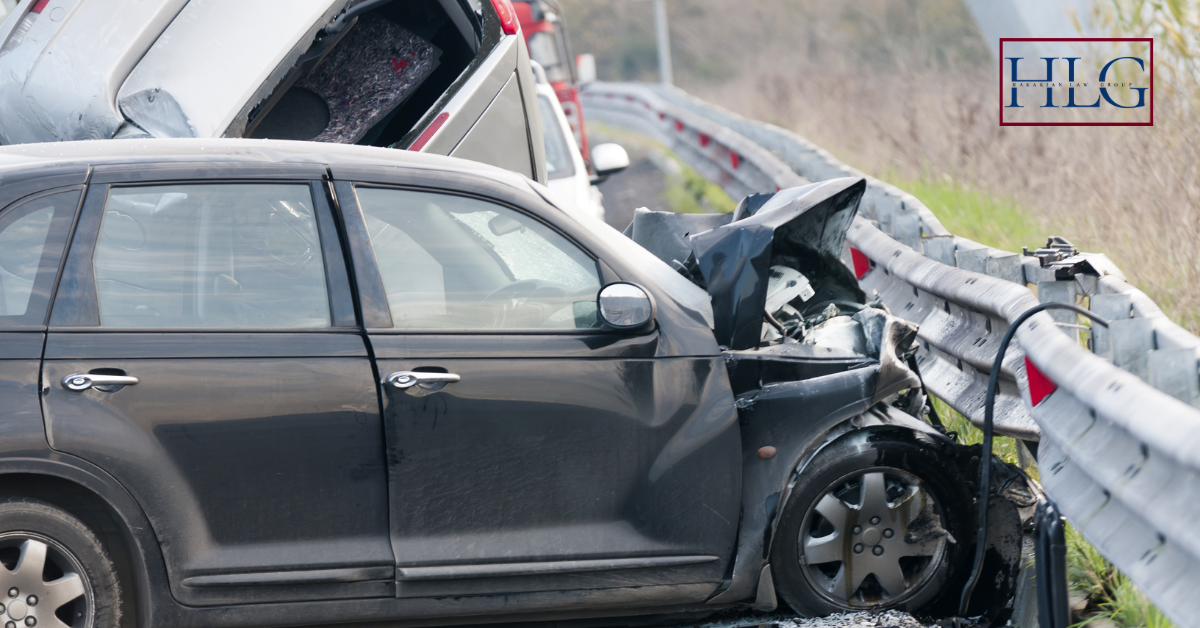
A loaded 18-wheeler can weigh 80,000 pounds. A typical passenger car weighs about 4,000. When those two collide, the laws of physics decide who gets hurt, and the person in the smaller vehicle almost always loses. That weight gap turns a crash that might dent a fender between two cars into one that crushes a car, causes broken bones, spinal damage, brain injuries, or death.
The size difference does more than raise the stakes. It changes what your body absorbs in the moment of impact. A big rig traveling at highway speed carries enormous force, and that force has to go somewhere. It goes into the smaller vehicle and the people inside it. Victims often face months of surgery, physical therapy, and time out of work that a minor car accident would never cause.
The severity is only half of what makes these cases harder. A truck crash also pulls in more people and more rules than a two-car fender-bender ever does. A single semi on the road connects a driver, the company that employs them, the crew that loaded the cargo, and the manufacturers who built the truck and its parts. Any of them can share fault, and each one carries its own insurance and its own lawyers.
On top of that web of parties, commercial trucks answer to federal safety laws that ordinary drivers never touch. Those laws govern how long a driver can stay behind the wheel and how often the truck must be inspected and repaired. Both the layered responsibility and the federal rules explain why a truck claim demands a deeper investigation than a car accident, and the next two sections walk through each one.
Who can be held responsible for a truck crash
A truck crash rarely comes down to one person. In a typical car accident, you deal with one other driver and their insurance company. A truck accident can involve four or more separate parties who each carry their own liability, and finding all of them is the biggest reason these claims take deeper investigation than a fender-bender.
The driver is the first place fault often lands. A trucker who speeds, drives drowsy, checks a phone, or gets behind the wheel after drinking can be held personally responsible for the crash. That is only the starting point, not the whole story.
The trucking company that employs the driver frequently shares blame. A company that pushes unrealistic delivery deadlines, skips required safety training, or hires drivers with bad records helps cause the crash even though nobody from the company was on the road. Companies also own the trucks, so poor maintenance decisions trace straight back to them.
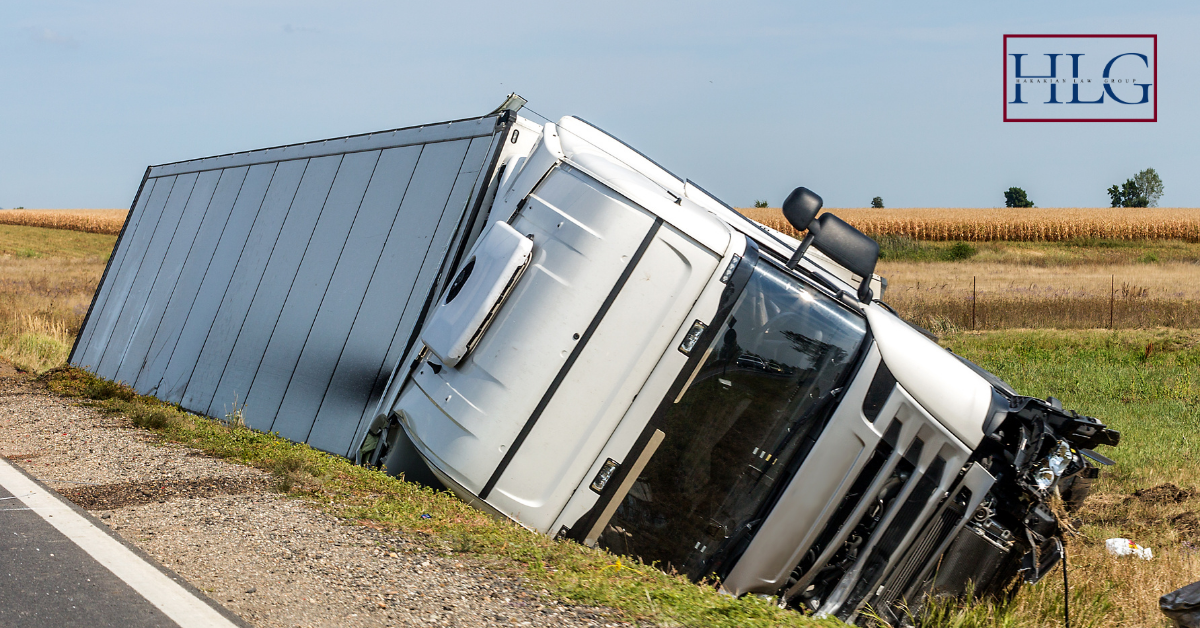
The people who loaded the cargo can be responsible when a load is packed wrong. An unbalanced or overweight trailer can cause a truck to tip, jackknife, or lose control on a turn. When a separate loading company handled the freight, that company can be added to your claim.
The truck or parts manufacturer becomes liable when something on the vehicle failed. Brakes that give out, tires that blow apart, or a steering system that quits can turn a defect into a deadly wreck. A manufacturer that sold a faulty part shares fault with everyone else in the chain.
Each of these parties usually has separate insurance, and each one will try to point the finger at the others. Identifying every responsible party matters because it decides how much money is actually available to cover your injuries. A lawyer who investigates all four sources of fault gives you a far stronger claim than one who stops at the driver.
Federal trucking rules that affect your claim
Federal law limits how long a truck driver can stay behind the wheel, and breaking that limit is one of the clearest ways to prove a trucking company is at fault. These are called hours-of-service rules. A driver can only drive a set number of hours before taking a required break, because a tired driver behind an 80,000-pound truck is a danger to everyone on the road. Drivers must record their hours in an electronic logbook that tracks when they drove and when they rested.
When a driver skips a break to make a delivery on time, that logbook shows it. Sometimes the trucking company pressured the driver to keep going, and the log becomes proof that the company put a schedule ahead of safety. That evidence can shift blame from the driver alone onto the company that pushed them.
Trucks also have to be inspected and maintained on a regular schedule. Brakes, tires, lights, and steering all wear down under the weight these vehicles carry, so federal rules require companies to check and repair them and to keep written records of every inspection. A truck that loses its brakes on the freeway did not fail by accident if the maintenance records show the company ignored a problem.
Missing or falsified records tell their own story. If a company cannot produce logs or inspection reports it is required by law to keep, that gap works against them in a claim. Shawn Hakakian knows which records federal law forces a trucking company to hand over, and he uses those violations to hold the right party responsible instead of letting the company blame a single driver.
Why evidence disappears fast after a truck accident
Most commercial trucks carry an electronic control module, often called a black box, that records what the truck was doing in the seconds before a crash. It logs the truck's speed, how hard the brakes were applied, whether the driver was steering, and how many hours the engine ran that day. That data can show a driver was speeding or braking too late, and it can back up a claim in a way that memory and witness statements cannot. Many trucks also carry dashcams that capture the crash on video.
The problem is that this evidence does not last long on its own. A black box can overwrite older data as the truck keeps running, so the recording of your crash may be gone within days or weeks if nobody preserves it. Dashcam footage often sits on the trucking company's own servers, and the company controls whether it gets saved or deleted. A trucking company knows the value of this evidence, and it has no reason to protect proof that could cost it money.
Calling a lawyer early is how you stop that evidence from vanishing. An attorney can send the trucking company a legal letter, called a spoliation notice, that legally requires them to preserve the black box data, dashcam footage, and driver logs. If you wait weeks to make that request, the records may already be erased. The sooner you act, the more likely the facts of your crash survive long enough to prove your case.
What to do right after a truck accident
Right after a truck crash, get yourself and anyone with you to a safe spot away from traffic if you can move. A truck blocking a highway invites a second collision, so distance from the wreck matters in the first seconds. If you cannot move because of your injuries, stay still and wait for help.
Call 911 next. Ask for both police and an ambulance, even when your injuries feel minor. Truck crash victims often feel little pain at the scene because adrenaline masks it, and internal injuries can take hours to show. A police report also creates an official record of what happened, which your claim will need later.
See a doctor the same day, no matter what. Getting checked protects your health, and it ties your injuries to the crash in your medical file. If you wait a week to see a doctor, the trucking company's insurer will argue your injuries came from something else.
Document the scene while you are still there, if you are physically able. Take photos of both vehicles, the road, skid marks, and any visible cargo or spilled fuel. Get the truck driver's name, license, insurance, and the name of the trucking company on the door. Ask nearby witnesses for their phone numbers before they leave.
Do not admit fault or accept a quick offer. Trucking companies send investigators to crash scenes fast, and anything you say can be used to lower your payout. Keep your statements to the police factual and short.
Call a truck accident lawyer as soon as you can, ideally before you speak with the trucking company's insurer. An attorney can move to preserve the truck's black box data and driver logs before the company overwrites them, and can handle every call so you can focus on healing.
Compensation you may be able to recover
A truck accident claim can cover much more than the dent in your car. The money you recover falls into three groups, and a serious crash often involves all three at once.
Medical costs come first because they hit you fastest. A claim can cover your emergency care, hospital stay, surgeries, medications, physical therapy, and any future treatment your doctors expect you to need. If a big rig crash leaves you with a spinal injury or brain injury, the cost of long-term care can run for years, and those future bills belong in your claim too.
Lost wages cover the income you miss while you recover. If you cannot work for weeks or months, a claim can repay the paychecks you lost during that time. A severe injury can also lower your earning capacity, which means you can no longer do the job you had before or earn what you used to. When that happens, your claim can account for the income you will lose for the rest of your working life.
Pain and suffering covers the harm you cannot put a receipt on. Physical pain, emotional distress, sleep loss, and the way an injury changes your daily life all count, and California law lets you recover for them.
The severity of your injuries drives the value of your claim more than any other factor. A broken arm that heals in six weeks and a permanent disability that needs lifelong care sit at opposite ends of that range. Shawn Hakakian reviews your medical records and long-term needs to make sure no category gets left out.
How a truck accident claim gets investigated and built
A truck accident lawyer turns the scattered facts of your crash into one connected case. The driver's fault, the company's rule violations, and the physical evidence do not speak for themselves. Your attorney gathers each piece and shows how they fit together to explain why the crash happened and who should pay for it.
The investigation starts with the black box. Your lawyer sends a legal notice, called a spoliation letter, that orders the trucking company to preserve the data before it gets overwritten. That data shows the truck's speed, braking, and engine hours in the seconds before impact. Paired with the driver's logbooks, it can reveal a driver who was speeding or had been on the road longer than federal hours-of-service rules allow.
Maintenance records tell a second part of the story. Your attorney requests the truck's inspection and repair history to check whether the company skipped required maintenance or ignored a known defect. Brakes that were never serviced or tires past their limit point the blame at the company, not just the person behind the wheel. Witness accounts and any dashcam or traffic-camera footage fill the gaps, confirming how the crash unfolded from the outside.
Once these records line up, your attorney builds them into a demand the insurer cannot easily wave away. Trucking companies carry large insurance policies and hire lawyers whose job is to pay you as little as possible. A first offer arrives fast and low, before you know the full cost of your injuries. Documented proof of a violated rule or a hidden maintenance failure changes that math. When the insurer sees black box data, driver logs, and repair records pointing the same direction, they face real risk at trial and negotiate seriously.
That is why a truck claim needs an attorney early. The evidence that gives you leverage is the same evidence the trucking company controls, and only a lawyer can force them to hand it over before it disappears.
Why choose this firm for your truck accident case
You pay nothing to hire our firm unless we win your case. We work on a contingency fee, which means our payment comes as a percentage of the money we recover for you, not from your pocket. If we do not secure compensation, you owe us no legal fee. A truck accident often leaves you with medical bills and missed paychecks, and you should not have to gamble savings you no longer have on a lawyer.
Your first conversation with us costs nothing either. The free consultation lets you explain what happened, ask what your claim might be worth, and learn your options before you decide anything. You leave that meeting with real answers, whether or not you hire us.
Shawn Hakakian built this firm to treat clients the way he would treat his own family. He handles serious injury cases with the attention they deserve, and he returns calls, explains each step in plain language, and makes sure you understand what is happening with your case. Large firms often pass you to a rotating staff, but Shawn stays involved in the work that decides your outcome.
That personal attention matters more in truck cases than most people expect. The trucking company and its insurer will assign experienced lawyers to protect their money, and you need someone who knows the federal rules, the evidence, and the tactics on the other side. Call Hakakian Law for a free consultation, and let us handle the fight while you focus on healing.
Frequently asked questions
How long do I have to file a truck accident claim in California? California gives you two years from the date of the accident to file a personal injury lawsuit. Shawn Hakakian recommends contacting a lawyer far sooner, because black box data and driver logs can vanish within weeks. Starting early protects the evidence your claim depends on.
What should I do when the trucking company's insurer calls me? Do not give a recorded statement or accept a settlement before talking to a lawyer. Trucking insurers move fast to offer low payouts before victims know the full cost of their injuries. Hakakian Law deals with the insurer directly so you never have to negotiate alone.
What if the truck driver caused the crash but the company says it is not their fault? The trucking company can still be held responsible for a driver it employs, even when the driver made the mistake. Companies that pushed unsafe schedules, skipped maintenance, or hired an unqualified driver share the blame. A truck accident lawyer investigates both the driver and the company to find every party that owes you money.
Can I afford a truck accident lawyer if I am already facing medical bills? Yes. Hakakian Law works on a contingency fee, so you pay nothing unless the firm wins your case. Your first consultation is free, and there is no cost to learn where your claim stands.
Who pays for my medical care while my claim is pending? Your treatment often continues before any settlement arrives, and a lawyer can arrange care on a lien so you get treated now and pay from your eventual recovery.
Disclaimer: This post is considered attorney advertising and is for informational purposes only. It does not create an attorney-client relationship. Past results do not guarantee future outcomes.