How to Choose a Lawyer for E-Bike, Scooter, and Big Rig Accidents in Los Angeles
Why these accidents need a specialized lawyer, not a generic one
E-bike, scooter, big rig, and amusement park injury claims require experience beyond ordinary car crashes. Each type raises different questions about who caused the harm, which evidence proves fault, and which company may have to pay.
E-bike and scooter cases can involve a rental company as well as a driver, rider, or property owner. A lawyer may need to review the rental agreement, maintenance records, and app data. Disputes over traffic rules, helmet use, and rider conduct can also affect how an insurer assigns fault.
Big rig crashes often involve several businesses. The truck driver may share fault with the trucking company, cargo loader, or maintenance contractor. Each party may have separate records and insurance coverage, so a lawyer who investigates only the driver can miss part of the claim.
Amusement park injuries usually depend on premises liability rules. A lawyer must examine whether the park failed to inspect equipment, fix a hazard, or warn visitors. A signed waiver may affect the case, but it does not always protect a park from claims involving negligence.
A lawyer without relevant experience may spend valuable time learning these issues or may accept an insurer's narrow view of fault. Your review should focus on case-specific experience and the lawyer's ability to find every responsible party. Serious-injury work, clear fee terms, and steady communication also help distinguish a suitable lawyer from a general accident practice.
What to look for in a lawyer for these cases
Accident-type-specific experience. Choose a lawyer who has handled your kind of accident and understands issues such as rental agreements, trucking rules, property safety duties, and injury waivers.
Ability to identify all liable parties. Your lawyer should investigate everyone who may share fault, including a rental company, trucking company, maintenance contractor, property operator, or careless driver.
Track record with serious injury claims. Look for experience proving the full cost of major injuries, since brain injuries, broken bones, and long-term limits may require future care or reduce your ability to work.
Contingency fee structure. A contingency fee lets you hire a lawyer without paying attorney fees upfront, but you should ask what percentage applies and how the agreement handles case costs.
Responsiveness during the claims process. Choose a lawyer who answers questions, explains each step in plain language, and keeps you informed while insurers and other companies review the claim.
The comparison table below turns these points into a quick checklist of good signs and warning signs.
What good signs and red flags look like
Accident-specific experience shows up in the details. A lawyer who has handled your type of crash or property injury can point to relevant examples right away. One who offers only general injury experience with no specifics is worth asking more about, and one who treats your case like a routine car accident is a clear warning sign.
The same pattern applies to identifying liable parties. Look for a lawyer who names rental companies, trucking contractors, or park operators as part of the investigation from the start. A lawyer who mentions other parties but has no plan to investigate them needs more questions, and one who focuses only on the rider, driver, or employee involved is missing the bigger picture.
For serious injury claims, a strong lawyer can discuss past cases involving brain, spine, or long-term injuries in specific terms. Be cautious of a lawyer who describes past settlements without explaining the injuries behind them, and avoid one who mainly handles minor injury claims.
Contingency fees should come with a written agreement that spells out the percentage and how case costs are handled. Unclear answers about costs deserve more scrutiny, and any demand for upfront legal fees is a red flag.
Responsiveness rounds out the list. A lawyer who explains who will provide updates and how often is showing you good communication habits. If office staff handle all contact after the first meeting, ask more about direct access to your lawyer, and if calls about medical care, evidence, or insurer requests go unanswered, treat that as a serious warning sign.
E-bike and scooter accident cases: what makes them different
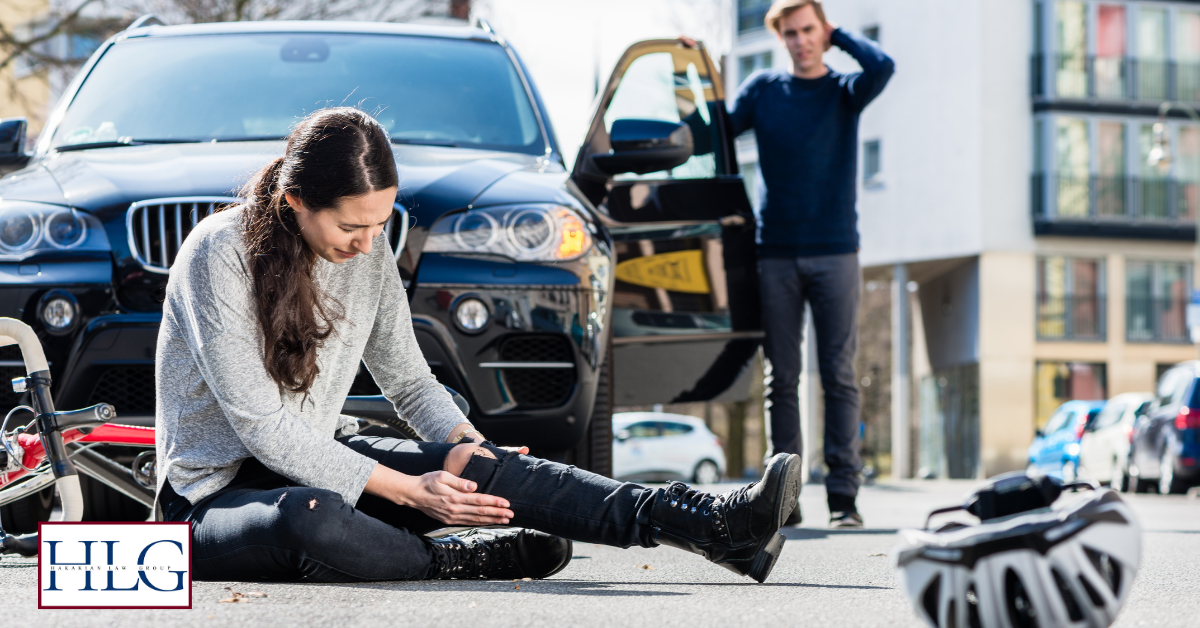
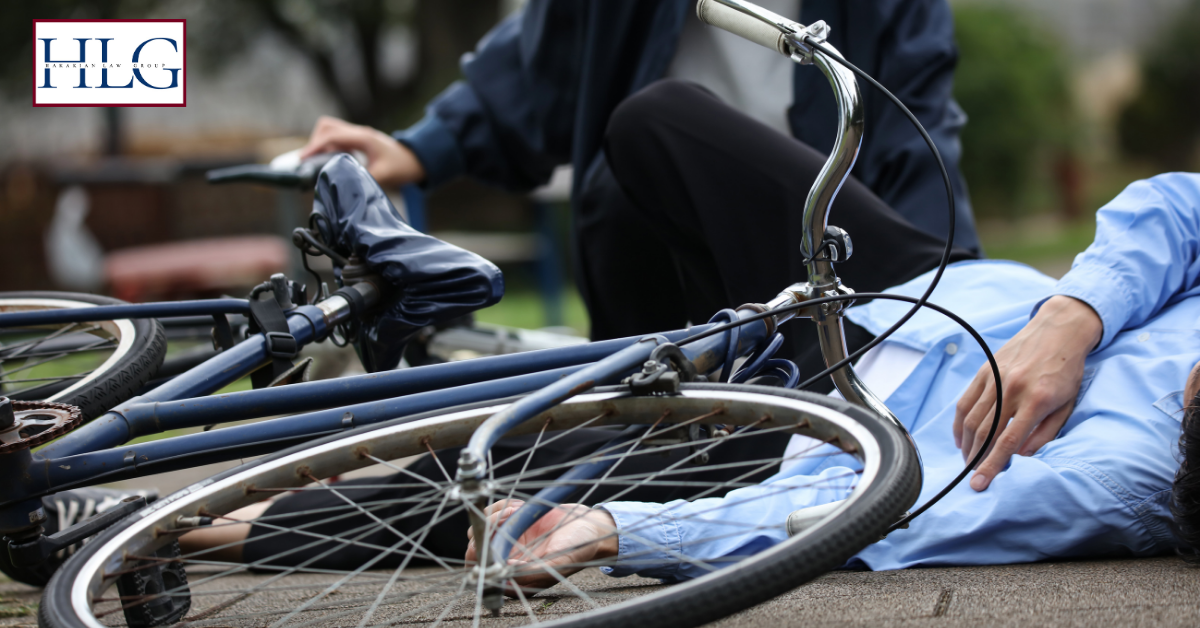
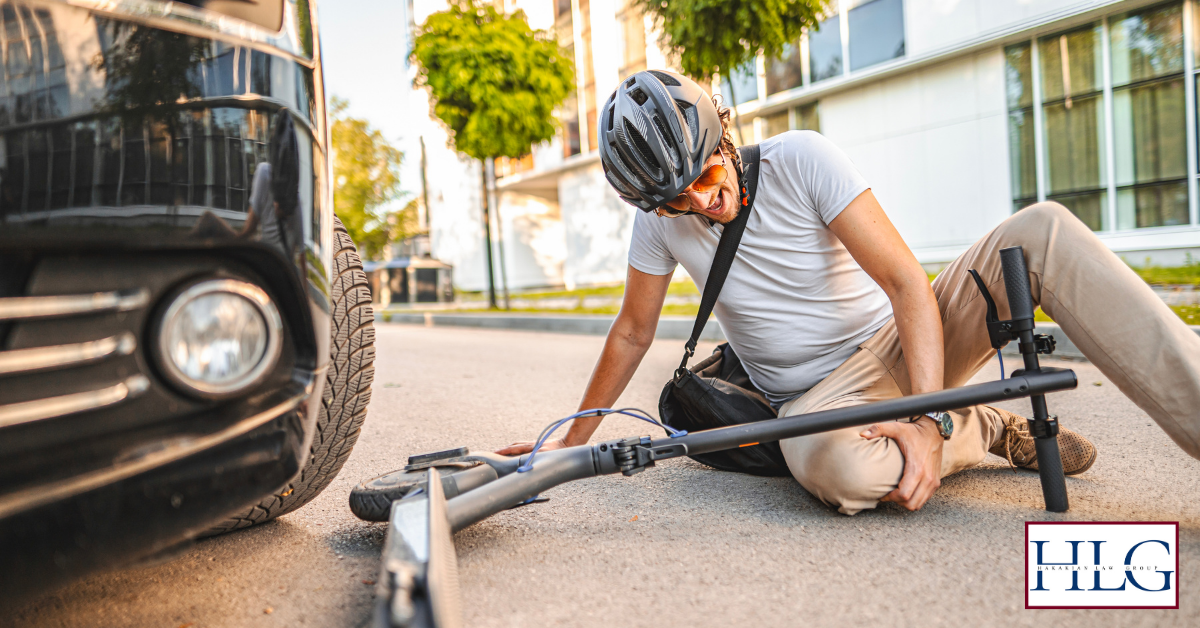
Rental e-bike and scooter crashes may involve a sharing company as well as the rider and any driver who caused the crash. A lawyer should review the rental agreement, maintenance records, and available insurance coverage. If faulty brakes, damaged tires, or poor maintenance contributed to the crash, the rental company or another contractor may share responsibility.
Digital records can help show what happened, but companies may not keep them forever. Rental apps may record the route, speed, start time, and end time. A lawyer should quickly ask the company to preserve account data, repair logs, inspection records, and the damaged vehicle. The earlier criterion about identifying all liable parties applies here because a driver, rental company, parts maker, or public agency could bear some fault.
Rider fault often creates another dispute. Helmet rules can depend on the rider’s age and the type of e-bike or scooter involved. An insurer may also argue that the rider used the sidewalk, traveled against traffic, ignored a signal, or rode too fast. Your lawyer must separate conduct that caused the crash from conduct that may have affected the injuries. For example, an insurer may cite a missing helmet even when a careless driver caused the impact.
Choose a lawyer who knows how to investigate both the physical crash and the rental company’s records. General car accident experience may not prepare a lawyer to secure app data, examine rental terms, or answer arguments based on special rider rules.
Big rig and semi truck accident cases: what makes them different
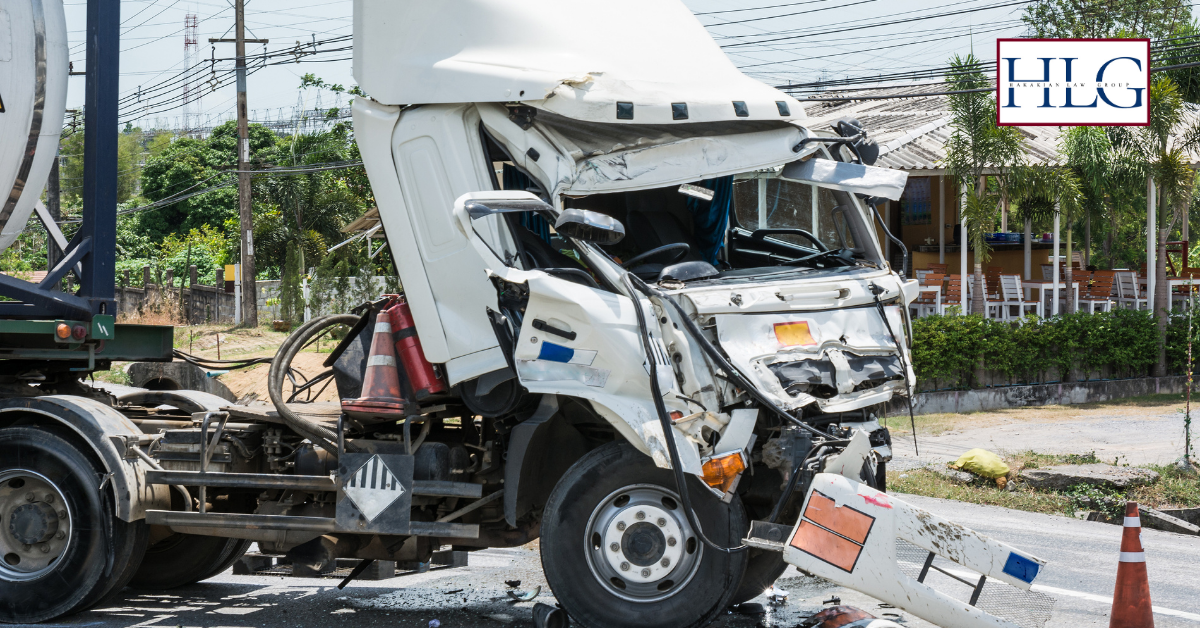
A big rig crash may involve several people and companies whose actions contributed to the collision. The driver may have made an unsafe move, while the trucking company may have required an unreasonable schedule. A cargo loader may have left the trailer unbalanced, or a maintenance contractor may have failed to fix worn brakes.
The liable parties criterion becomes especially important in these cases. A lawyer should review driver logs and company records, then preserve truck data and inspection reports before evidence disappears. Contracts can also show which company controlled the driver, trailer, cargo, or repairs. A lawyer who treats the crash like a standard two-driver claim may miss a source of compensation.
Serious injury experience also carries more weight after a big rig collision. Large trucks can cause brain injuries, spinal damage, amputations, and wrongful death. Your lawyer must document long-term medical care, lost income, and future support when calculating the claim.
Responsive communication helps you manage a slower and more disputed claims process. Trucking companies and their insurers may spend months reviewing records, challenging fault, or questioning the extent of your injuries. Your lawyer should explain each delay, answer questions, and act quickly when an insurer requests information or makes a low offer.
Amusement park and premises injury cases: what makes them different
An amusement park injury claim turns on what caused the harm and whether the property operator failed to prevent a known danger. Poor ride maintenance, unsafe walkways, or weak crowd controls may support a premises liability claim. A lawyer must connect the unsafe condition to your injury and show that the operator knew or should have known about it.
A signed waiver does not automatically end your claim. The waiver may cover ordinary risks that its language clearly describes. However, it may not protect an operator that hid a danger, broke safety rules, or acted with gross negligence. A lawyer with waiver experience can compare the wording with the cause of the accident and challenge terms that do not apply.
Accident-type-specific experience helps because amusement park cases require different evidence than common car crashes. An experienced premises injury lawyer may seek inspection records and maintenance logs before the operator loses or replaces them. The lawyer can also preserve security footage and identify employees or witnesses who saw the unsafe condition.
Ask whether the lawyer has handled premises claims involving waivers and property-operator negligence. General personal injury experience provides a starting point, but direct experience with these arguments helps the lawyer spot claim barriers early and build evidence around them.
Why Hakakian Law fits these criteria
Relevant case experience. Hakakian Law handles truck accidents, vehicle injury claims, premises liability cases, and catastrophic injuries. For e-bike, scooter, or amusement park claims, Shawn Hakakian can assess how the firm’s related experience applies to the facts and explain the planned approach during the consultation.
A full search for liable parties. Shawn looks beyond the person or company first named in a report. Depending on the case, the investigation may examine a rental company’s actions, a trucking company’s safety practices, or a property operator’s failure to fix a dangerous condition.
Experience with serious injuries. Hakakian Law represents people with brain injuries, spinal cord damage, burns, fractures, and other life-changing harm. Such claims require careful records of medical treatment, future care needs, lost income, and the injury’s effect on daily life. You can ask about results in comparable cases during your consultation.
Personal communication. Shawn’s hands-on, family-style approach gives clients a direct source of guidance during a confusing claim. Detailed case handling and regular updates help you understand what the insurer wants, what evidence the firm needs, and what happens next.
No upfront legal fee. Hakakian Law offers free consultations and handles personal injury claims on a contingency fee. You pay no attorney fee upfront, and the firm collects its fee only if it obtains compensation for you.
Schedule a free consultation with Hakakian Law to discuss your accident and learn what options may apply.
Frequently asked questions
How much does an injury lawyer cost?
A contingency fee means the lawyer receives an agreed share of any money recovered. Hakakian Law offers free consultations and charges no upfront legal fee under this model. You can discuss your claim without paying for the first meeting.
Who may be responsible for my injuries?
Liability means legal responsibility for an accident and the harm it caused. Hakakian Law can investigate a rental company, trucking business, property operator, or another party that may share fault. Finding every responsible party may provide more sources of insurance coverage.
Does a waiver prevent an amusement park injury claim?
A waiver is an agreement that may limit certain claims, but it does not always block an injury case. Hakakian Law can review the waiver and how the park caused or failed to prevent the injury. A lawyer can explain whether the facts support a claim before you accept the park’s answer.
What should I do before calling?
Useful records include photos, medical papers, witness details, rental receipts, and messages from insurers. Hakakian Law can review what you have and identify other evidence to request. Early action can preserve video, vehicle data, maintenance records, and other proof that may disappear.
Disclaimer: This post is considered attorney advertising and is for informational purposes only. It does not create an attorney-client relationship. Past results do not guarantee future outcomes.