Car Accident FAQ: Who's at Fault and What to Do in Los Angeles
What do I do in the first hour after a car accident?
Check for injuries and move out of traffic if you can do so safely. Then call the police, document the crash, exchange information, and get medical care.
- Protect everyone from further harm. Call 911 if anyone may be injured or if a vehicle creates a road hazard. Do not move someone with a serious injury unless leaving them in place poses an immediate danger.
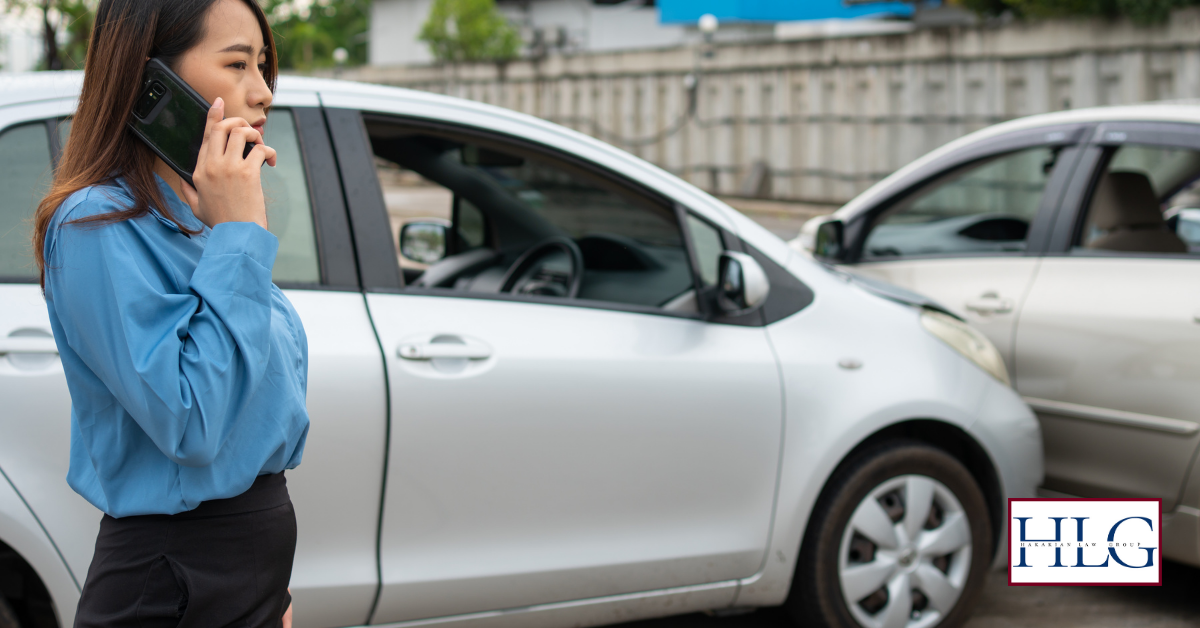
- Report the crash to the police. Tell the dispatcher where the crash happened and whether anyone needs medical help. An officer can record driver information, witness statements, and conditions at the scene.
- Photograph the scene when it is safe. Take wide photos that show where the vehicles stopped, then capture vehicle damage, road signs, traffic signals, skid marks, and visible injuries. Photos preserve details that may disappear once cars move and roads reopen.
- Exchange and collect information. Get each driver’s name, contact details, license plate, driver’s license, and insurance information. Ask witnesses for their names and phone numbers because their accounts may help if drivers disagree about what happened. Avoid arguing about fault or saying you caused the crash.
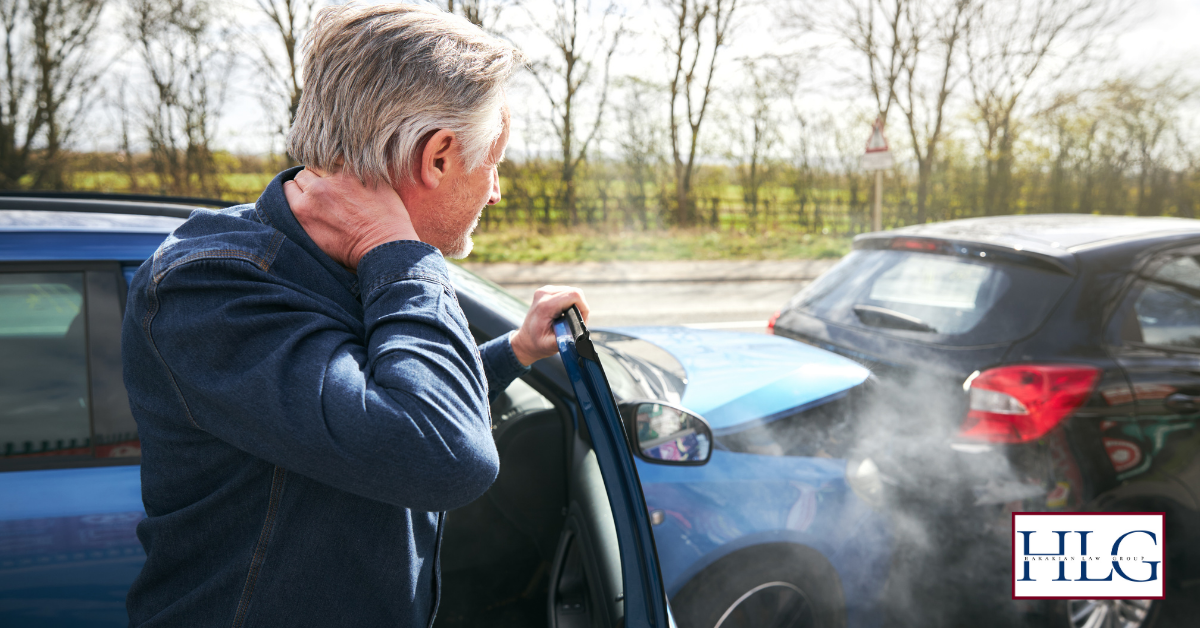
- Get a medical check. Accept emergency care when you need it, or arrange an exam as soon as possible. Shock can hide pain, and some neck, back, or head injury symptoms appear hours later. Medical records also connect an injury to the crash.
Before the hour ends, write down what you remember while the details remain fresh. Save the police report number, photos, medical papers, towing details, and insurance information in one place.
How does fault get determined after a car accident in California?
California uses a fault-based system, so the person who caused the crash generally owes compensation for the resulting harm. The at-fault driver’s liability insurance usually pays for covered medical costs, vehicle damage, lost income, and other losses. More than one person can share responsibility.
California also follows pure comparative negligence. Under this rule, you can recover money even if you share fault, but your percentage of responsibility reduces your payment. If you suffered $100,000 in damages and carried 25 percent of the fault, you could recover up to $75,000.
Insurance companies determine fault by reviewing the available evidence. Adjusters may consider vehicle damage, photos, video, witness accounts, driver statements, medical records, and applicable traffic laws. A police report can provide useful observations and identify citations, but the responding officer does not make the final decision about civil liability.
When drivers or insurers disagree, they may negotiate based on the evidence. If they cannot resolve the dispute and someone files a lawsuit, a judge or jury can assign each party a percentage of fault. A car accident lawyer in Los Angeles can gather missing evidence and challenge an insurer’s fault decision when it does not match the facts.
Who is at fault in common Los Angeles accident scenarios?
Fault usually falls on the driver whose unsafe action caused the crash, but evidence can shift or divide responsibility. California’s comparative negligence rule described above applies when more than one person contributed to the collision.
In a rear-end collision, the rear driver is usually at fault because drivers must leave enough space to stop safely. The front driver may share fault if that driver reversed, cut into the lane without enough room, or drove without working brake lights.
In an unprotected left turn, the driver turning left is usually at fault because that driver must yield to approaching traffic. An oncoming driver may share fault for speeding or running a red light.
In a rideshare passenger injury, the rideshare driver, another driver, or both may be at fault, and the passenger is rarely responsible. Investigators look at which driver caused the crash, and available insurance may depend on whether the rideshare driver had accepted a trip or had a passenger in the vehicle.
In a parking lot collision, the driver backing out is often at fault, but either driver may be responsible. A driver leaving a parking space must watch for moving cars and pedestrians, and fault may be divided when both vehicles were backing up or both drivers failed to look.
In a multi-car pileup, one driver may start the crash while other drivers share fault for later impacts. Investigators examine each impact separately, and following too closely, speeding, or failing to react safely can make several drivers responsible for different parts of the pileup.
Who pays for damages after a car accident?
The at-fault driver’s liability insurance usually pays for the other person’s medical costs, car repairs, lost income, and related losses. The insurer pays only after it accepts fault or reaches a settlement, and policy limits may cap the available money.
Your own coverage may pay some costs sooner. Medical payments coverage can cover eligible medical bills regardless of fault, while collision coverage can pay for vehicle repairs after your deductible. Your health insurance may also cover treatment under its usual terms.
If your insurer pays first, it may later seek repayment from the at-fault driver’s insurer. You may also recover a collision deductible if that effort succeeds.
Comparative fault reduces what you can collect from the other side. For example, if you suffered $20,000 in damages but received 25 percent of the blame, you could seek up to $15,000 from the responsible party.
What happens if the other driver has no insurance?
Your uninsured motorist coverage may pay for injuries when the at-fault driver has no insurance, while underinsured motorist coverage may help when that driver’s policy cannot cover your losses. Check your policy and notify your insurer promptly because coverage limits, reporting rules, and vehicle damage protection vary, and collision coverage may pay for repairs even when UM/UIM covers injuries. Hakakian Law can review the available policies and pursue the proper claim, which helps you avoid accepting less than the coverage allows.
Can I file a claim if I was hurt as a rideshare passenger?
Yes. If you were hurt while riding in an Uber or Lyft, you can usually file a claim against the person who caused the crash. The responsible insurance policy may cover medical bills, lost income, pain and suffering, and other losses.
Rideshare coverage depends on the driver’s status at the time of the crash. When the app is off, the driver’s personal auto insurance generally applies. When the app is on and the driver is waiting for a request, limited coverage from Uber or Lyft may apply if the personal policy does not cover the claim.
Broader commercial coverage generally applies once the driver accepts a ride and while a passenger is in the vehicle. If another driver caused the crash, you may have a claim against that driver’s insurer as well. Some crashes involve claims under more than one policy.
The rideshare row in the fault table above explains who typically carries responsibility. Save your trip receipt, screenshots, driver information, and any messages from Uber or Lyft because those records help prove that an active trip was underway. An attorney can identify which policies apply and handle disputes between insurers.
When should I call a personal injury attorney instead of handling it myself?
You can often handle a minor property-only claim yourself when no one was hurt and fault is clear. Call a personal injury attorney if you were injured, fault is disputed, the insurer offers too little, or the other driver lacks enough insurance. You should also seek help when a rideshare company, employer, or several drivers may share responsibility.
An attorney can identify available insurance, document the full cost of your injuries, and respond when an insurer tries to reduce or deny payment. Early help also protects evidence such as traffic footage, witness accounts, and vehicle records. Waiting can make evidence harder to obtain, and filing or notice deadlines may limit your options.
Hakakian Law offers free consultations, so you can learn whether you need representation without paying upfront. The firm works on a contingency fee, which means you pay no attorney fee unless it recovers money for you. Hakakian Law also provides personal, responsive communication throughout the claim.
Get a free case review from Hakakian Law
Contact Hakakian Law for a free case review after a Los Angeles car accident. You pay no upfront legal fee, and the firm collects a fee only if it wins compensation for you.
Acting quickly can help you get proper medical care and preserve evidence that supports your claim. Reach out today to discuss what happened and learn your options.
More common questions about car accidents in Los Angeles
Do I have to call the police for a minor accident?
California does not always require a police response when no one is hurt and damage appears minor. Hakakian Law can explain whether separate reporting rules apply based on injuries or property damage. A report can preserve an independent record if the drivers later disagree.
What if I am partly at fault?
You may still recover compensation, but your share of fault can reduce the amount. Hakakian Law can review the evidence and challenge an insurer’s fault estimate. An accurate percentage can affect how much you receive.
How long do I have to file a claim in California?
California generally allows two years for a personal injury lawsuit and three years for a property damage lawsuit. Hakakian Law can identify shorter deadlines, including those for claims against government agencies. Prompt advice helps you avoid losing your right to seek payment.
Will my insurance rates go up if I am not at fault?
California generally bars insurers from adding a surcharge when you were not mainly responsible for the accident. Hakakian Law can help document fault, but your insurer controls premiums under state rules and your policy. Clear evidence may help if the insurer records the accident incorrectly.
Disclaimer: This post is considered attorney advertising and is for informational purposes only. It does not create an attorney-client relationship. Past results do not guarantee future outcomes.