7 Types of Car Accidents College Students Face Near LA Campuses (And What to Do)
Why LA college students face a unique car accident risk
Campus corridors around USC, UCLA, and other Los Angeles colleges concentrate several kinds of traffic in limited space. Rideshare drivers stop for pickups while students cross streets, e-scooters pass driveways, and inexperienced drivers search for parking. Those movements create recurring conflicts at crosswalks, curb zones, and parking entrances.
California’s pure comparative fault rule allows an injured person to recover compensation even when they share responsibility, though their recovery falls by their percentage of fault. Drivers must also yield at marked and unmarked crosswalk. A student who crossed mid-block or looked at a phone may still have a claim if the driver could have avoided the collision.
Insurance coverage can add another layer. In a rideshare crash, the applicable policy depends on whether the driver was offline, awaiting a request, or completing a trip. Each scenario below explains the likely liable party, the evidence to preserve, the immediate steps to take, and when legal advice may protect a claim.
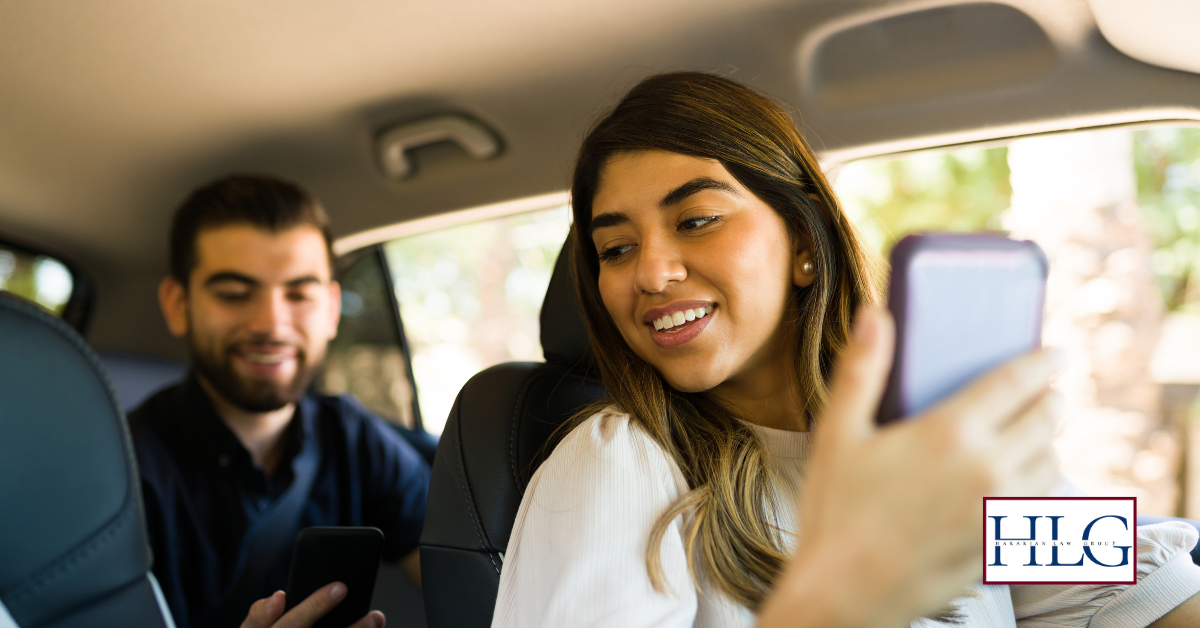
1. Rideshare accidents going to or from campus
A rideshare driver’s app status determines which insurance policy may cover the crash, while fault determines which driver owes compensation. A booked passenger should normally fall within the accepted-ride period, but the trip record can resolve disputes about timing.
- App offline. The driver’s personal auto policy generally applies because Uber or Lyft has no active role in the trip. A student injured in another vehicle, on foot, or on a bike would pursue the driver’s personal insurer.
- App on and waiting for a request. Uber and Lyft provide contingent coverage if the driver’s personal insurance does not cover the loss. The limits are generally $50,000 per injured person, $100,000 per accident, and $25,000 for property damage.
- Ride accepted or underway. Coverage increases after the driver accepts a request and continues until trip completion. Uber and Lyft provide at least $1 million in third-party liability coverage, plus uninsured or underinsured motorist coverage when another at-fault driver lacks sufficient insurance. These coverage periods and limits can determine how much compensation an injured passenger can pursue.
Preserve the app evidence before trip details disappear or change. Screenshot the trip page, driver profile, route, receipt, and crash time. Call 911 when anyone may be injured, collect information from every driver and witness, and report the collision through the rideshare app.
Early legal advice can help when the drivers dispute fault or insurers disagree about app status. Uber and Lyft terms commonly require arbitration for certain disputes with the company, which may limit where and how you can bring a claim. A Los Angeles Uber accident lawyer can identify the applicable policies before you give a recorded statement or accept a settlement.
2. Pedestrian and crosswalk accidents near campus
Drivers must yield to people in marked crosswalks and in unmarked crosswalks formed by sidewalk extensions at intersections. Drivers must also approach intersections carefully, check before turning, and travel at a safe speed for traffic and visibility. A driver who turns through a crosswalk while distracted may bear fault even when the pedestrian signal favors the driver.
Crossing outside a crosswalk can reduce compensation, but it does not automatically defeat an injury claim. A pedestrian crossing mid-block must yield to vehicles, while the driver must still use reasonable care to avoid a collision. Under California’s pure comparative fault rule, an injured pedestrian can recover damages even when partly or mostly responsible. The court or insurers reduce the recovery by the pedestrian’s assigned share of fault.
Evidence often determines how each party’s fault gets divided. After receiving medical help, report the collision and photograph the vehicle, intersection, traffic signals, lighting, and any blocked sightlines. Collect witness contact information and ask nearby businesses or campus buildings to preserve security footage before they erase it.
Government vehicles create a much shorter deadline. If a city bus, Caltrans vehicle, or public university vehicle caused the collision, an injured student generally must present a goverment claim within six month. Contact a pedestrian accident lawyer in Los Angeles promptly when injuries are serious, fault is disputed, or any public entity may share responsibility.
3. Parking lot fender-benders
Parking lot collisions often occur at low speed, but fault depends on each driver’s movement, lane position, and attention. Drivers must obey posted signs and use reasonable care even on private property. A missing police report does not make liability automatically 50/50.
Cars traveling in a main thoroughfare generally have the right of way over cars entering from smaller feeder lanes. A driver backing out must confirm that the travel lane is clear, while two drivers backing at the same time may share fault. A driver’s speeding or distraction can shift part of the responsibility under California’s comparative negligence rules. Parking lot fault guidance explains how damage patterns, witness accounts, and camera footage help establish what happened.
Photograph both vehicles, their positions, lane arrows, signs, and nearby cameras before leaving, if you can do so safely. Exchange insurance information, collect witness contacts, and report the collision to campus security or the property manager. Seek medical care if pain, dizziness, or other symptoms develop.
Ask the property manager in writing to preserve surveillance footage immediately. Some parking lot systems overwrite recordings within 7 to 30 days, and insurers may use limited damage or low speed to dispute an injury claim. Contact a car accident lawyer in Los Angeles when you suffered an injury, the insurer disputes fault, or video evidence may disappear. A lawyer can send a preservation request and evaluate the evidence before the insurer assigns blame.
4. DUI and party-related crashes
An intoxicated driver usually bears primary responsibility for a crash after a campus party, even when a host or bar supplied the alcohol. California Civil Code § 1714(b) treats the drinker’s consumption as the cause of resulting injuries. As a result, bars, restaurants, and social hosts generally avoid civil liability for serving an adult who later causes a crash under California`s dram shop rules.
Two narrow exceptions may apply when the intoxicated person was under 21. An adult social host may face liability for knowingly providing alcohol to someone the host knew or should have known was underage. A licensed vendor may face liability for serving an obviously intoxicated minor. Someone who sells alcohol to an obviously intoxicated minor without a license may also face a claim. Proof may include the drinker’s age, witness accounts, security video, receipts, and blood alcohol test results.
An injured student will usually seek compensation from the intoxicated driver and the driver’s insurer. A qualifying claim against a host or alcohol seller may provide another source of compensation when an underage drinker caused the collision. California generally gives an injured person two years to bring these claims, but waiting can allow important evidence to disappear.
Call 911, request medical care, photograph the vehicles and scene, and collect witness contact information. Tell officers about any signs of intoxication, but do not confront the driver. A car accident lawyer in Los Angeles can quickly request bar or party footage, obtain police and toxicology records, and interview witnesses while their memories remain fresh. Contacting counsel early also reduces the chance that an insurer will secure a recorded statement before you understand the full extent of your injuries.
5. Hit-and-run accidents
A hit-and-run leaves the fleeing driver legally responsible, but you cannot pursue that driver unless police or insurers identify them. When the driver remains unknown, your uninsured motorist coverage may provide compensation for injuries, medical expenses, and lost wages. Collision coverage may address vehicle damage, depending on your policy.
Call police from the scene and notify your insurer promptly. Most auto policies require police notice within a specified period after a hit-and-run. The California Department of Insurance also says you must report the crash to the DMV within 10 days if anyone suffered an injury or vehicle damage exceeds $750. Missing the DMV deadline may lead to a license suspension.
Record every detail before memories fade or nearby vehicles leave. Write down any portion of the license plate, the vehicle’s color and model, its direction of travel, and a description of the driver. Photograph your injuries, vehicle damage, debris, traffic controls, and surrounding businesses that may have cameras. Collect witness contact information and ask property owners to preserve surveillance footage.
Keep medical bills, wage records, repair estimates, and other proof of loss for an uninsured motorist claim. Contact a personal injury attorney promptly if you suffered injuries, lack uninsured motorist coverage, or face resistance from your insurer. A lawyer can seek camera footage, work with police to identify the driver, and manage the claim against your own insurance company.
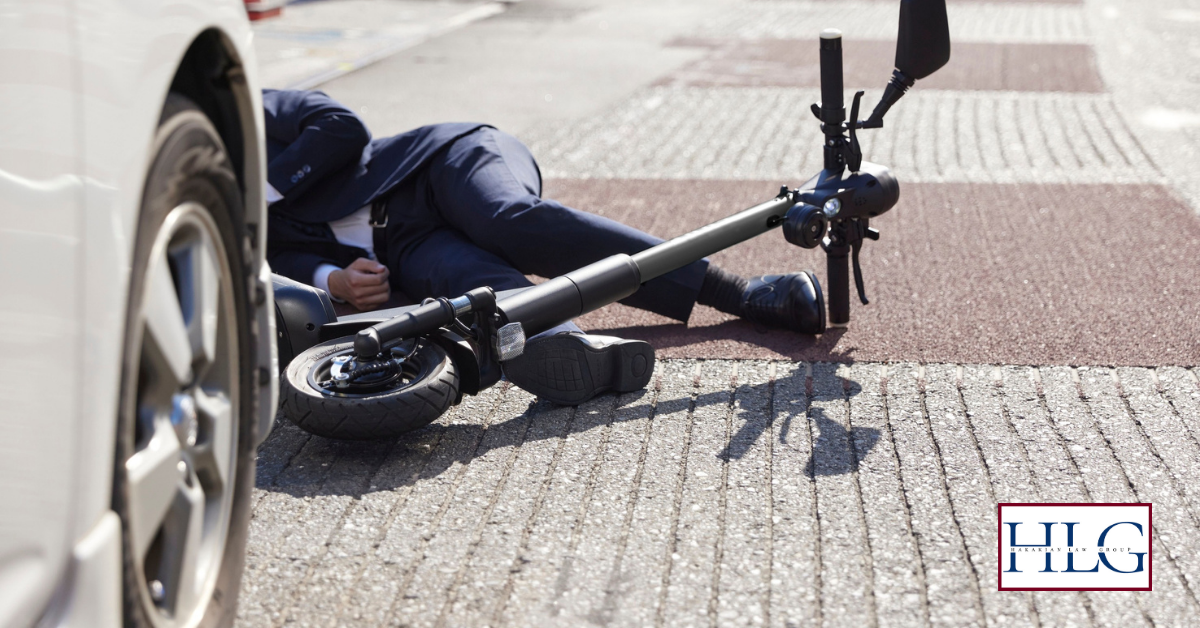
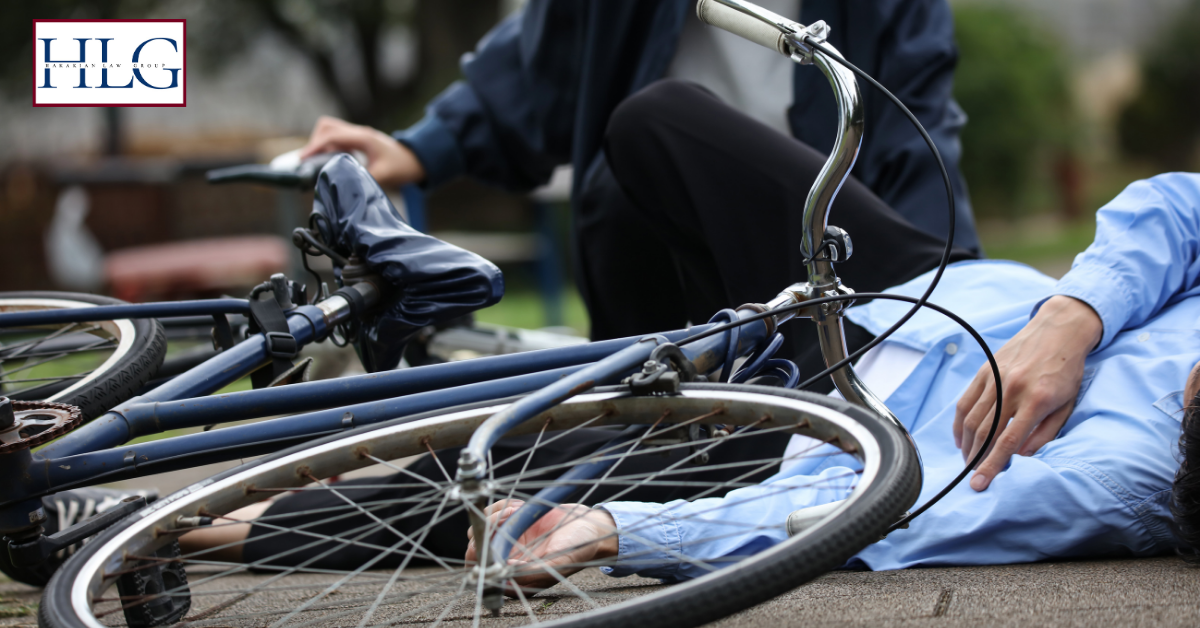
6. E-scooter or bike accidents involving a car
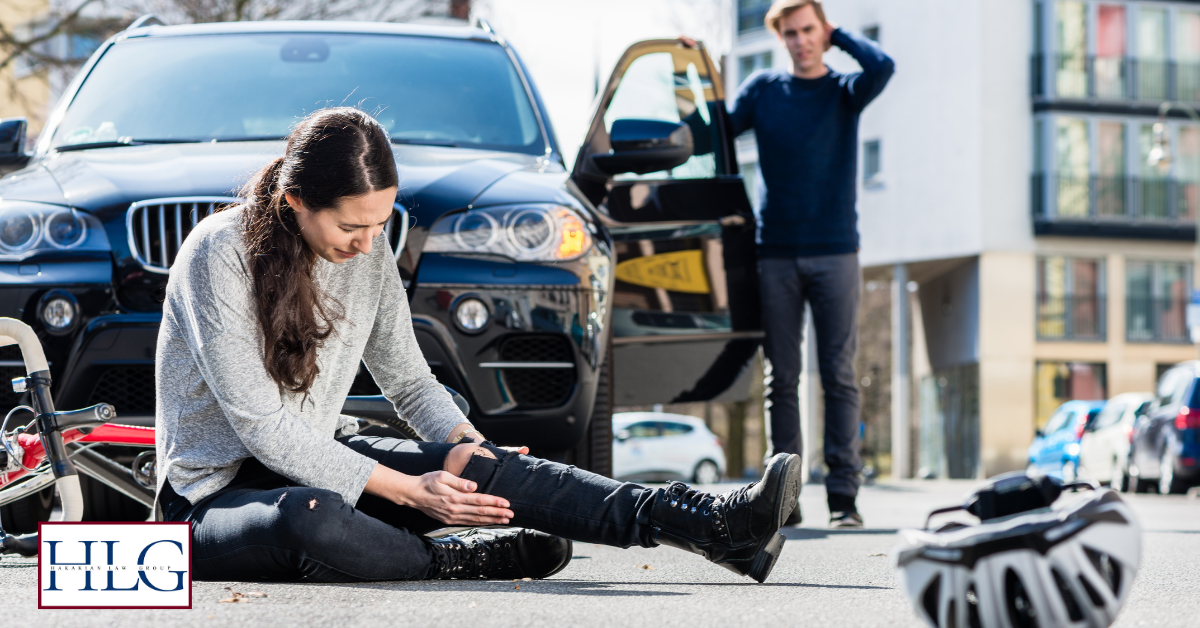
A driver may bear liability after turning across a bike lane, opening a car door into a rider’s path, or pulling from a driveway without checking for traffic. Drivers entering a roadway must use reasonable care and yield when required, including near driveways and crossings. A rider’s location, traffic signal, direction of travel, and visibility help determine fault.
California’s pure comparative fault rule allows an injured rider to seek compensation even when the rider contributed to the collision. Riding against traffic, ignoring a signal, or entering the road suddenly may reduce compensation by the rider’s assigned share of fault. Those actions do not automatically erase a driver’s responsibility for speeding, distraction, or failure to keep a proper lookout.
After a crash, move out of traffic if possible and seek medical care. Photograph the car, scooter or bike, lane markings, driveway, traffic controls, and visible injuries. Collect the driver’s insurance details and witness contacts. Bird or Lime riders should also save the trip receipt, app records, and rental agreement.
A scooter company’s waiver can complicate a claim, but a student should not assume the agreement eliminates a claim against a negligent driver. A lawyer can review the waiver and determine which insurance policies may apply. Contact Hakakian Law Group promptly when injuries require treatment, fault is disputed, or an insurer blames you for riding the scooter or bike.
7. Passenger injuries in a friend's car
An injury claim usually seeks payment from your friend’s auto insurer, so you are not asking your friend to pay your medical bills personally. The insurer investigates whether your friend caused the crash and pays covered losses up to the policy limits. Your friend may still appear as the responsible driver in claim documents or a lawsuit because the insurance policy covers their legal liability.
California can divide responsibility when multiple people contributed to a collision. Under pure comparative neglicence, each responsible driver owes a share based on their percentage of fault. If another driver hit your friend’s car, you may pursue that driver’s policy, your friend’s policy, or both, depending on the evidence and available coverage.
After the crash, get medical care and collect both drivers’ insurance information. Photograph the vehicles, note where you sat, save messages about the trip, and request the police report. Avoid agreeing with an adjuster’s account before you understand your injuries and the available policies.
If your friend or the second driver had no insurance, uninsured motorist coverage may provide another route to payment. Coverage may come through the policy on the car or another policy that covers you. A car accident lawyer in Los Angeles can identify the applicable policies when injuries are serious, fault is disputed, or an insurer asks you to accept a quick settlement.
Accident type, liability, and urgency at a glance
Seven accident types, seven different claim targets, and seven different reasons to move quickly. A rideshare crash usually points to the at-fault driver and whatever insurer applies, and the urgency stays high because app status controls which coverage kicks in. A pedestrian or crosswalk crash usually points to a negligent driver, though a public entity can share responsibility, and that case becomes immediate the moment a government vehicle or public property contributed. A parking lot collision typically comes down to the driver who failed to yield or backed unsafely, and it deserves prompt attention any time an injury occurred or fault is disputed. A DUI or party-related crash puts responsibility on the intoxicated driver, with only narrow exceptions reaching an alcohol provider, and the urgency stays high because intoxication evidence disappears fast. A hit-and-run shifts the target to the unidentified driver and, often, your own uninsured motorist insurer, and it demands immediate action because reporting deadlines and evidence windows close quickly. An e-scooter or bike crash usually traces back to a negligent driver even when fault ends up shared, and it calls for prompt attention whenever an injury occurred or a rental waiver enters the picture. A passenger injury in a friend's car typically routes through the at-fault driver's insurer, and it warrants prompt attention whenever injuries, multiple drivers, or limited coverage complicate the claim.
What to do immediately after any campus-area accident
- Move out of traffic if you can do so safely. Call 911 when anyone may be injured, traffic remains dangerous, or a driver leaves the scene.
- Get medical care promptly, even if pain seems minor. Keep discharge papers, bills, prescriptions, and records of missed classes or work.
- Photograph vehicle damage, injuries, license plates, traffic controls, road conditions, and the wider scene. Save rideshare receipts, app screenshots, scooter records, and relevant messages.
- Exchange names, phone numbers, driver’s license details, insurance information, and vehicle identification numbers. Ask witnesses for contact information and a short account of what they saw.
- Report the crash to campus security or local police. Hit-and-run victims should notify police immediately because many insurance policies impose specific notice deadlines.
- Notify your insurer promptly, but avoid guessing about fault or injuries. Review any recorded-statement request carefully before responding.
- File the required DMV report within 10 days when someone suffers an injury or the crash meets the current property-damage threshold. Missing a required report can lead to license suspension, according to the California Department of Insurance.
- Ask a parking facility or nearby business to preserve surveillance video immediately. Some systems overwrite footage before an insurer investigates.
Why talk to a personal injury lawyer before talking to an insurer
An early legal consultation can help you avoid mistakes before an insurer records your statement or offers a quick settlement. An adjuster may ask questions while you are still unsure about your injuries or what caused the crash. A lawyer can review the facts, identify available insurance coverage, and handle those conversations for you.
A contingency fee lets you hire a personal injury lawyer without paying an attorney fee upfront. The lawyer receives an agreed share of the recovery if the case succeeds. Hakakian Law Group offers free consultations, so you can ask about your options without paying for the first conversation.
Personal attention can matter when you have never handled an injury claim. Hakakian Law pairs direct client support with aggressive representation when dealing with insurers. The firm can gather evidence, track deadlines, calculate medical and other losses, and challenge an offer that does not fairly account for your injuries. Speaking with a lawyer early does not require you to file a lawsuit, but it can help you make an informed choice before accepting money or signing insurance documents.
FAQs
Can I recover compensation if I was partly at fault?
Yes. California uses pure comparative fault, so you may recover compensation even if you share responsibility. Your percentage of fault reduces the amount you receive.
Does student health insurance affect my injury claim?
Student health insurance can pay for treatment while your claim remains open. Your health plan may later seek repayment from a settlement, so keep every bill and insurance statement.
What if the other driver has no insurance?
Your uninsured motorist coverage may pay for your injuries if your policy includes it. Rideshare passengers may also have access to Uber or Lyft coverage when a driver has accepted a trip. A lawyer can identify every policy that may apply.
How long do I have to file a claim in California?
Most California personal injury lawsuits involving private parties have a two-year deadline. Claims involving a city vehicle, public university vehicle, or another government entity may require a formal claim within six months. Contact a lawyer promptly because shorter notice and insurance deadlines may apply.
Does it cost anything to talk to a lawyer?
Hakakian Law Group offers free consultations. The firm uses contingency fees, which means you pay no upfront attorney fee and the firm receives a fee only if it obtains compensation for you.
Disclaimer: This post is considered attorney advertising and is for informational purposes only. It does not create an attorney-client relationship. Past results do not guarantee future outcomes.