Los Angeles Catastrophic Injury & Traumatic Brain Injury Lawyer
What counts as a catastrophic injury in California
A catastrophic injury in a California personal injury claim is a severe injury that permanently changes a person’s ability to work, live independently, or perform normal daily activities. The injury may require long-term medical treatment, rehabilitation, personal assistance, or changes to the person’s home and routine.
California does not apply one fixed catastrophic injury definition to every personal injury case. Instead, medical records and other evidence show how long the condition may last and how deeply it affects the injured person’s life. A serious diagnosis alone may not settle the question. The expected recovery, permanent limits, future care needs, and loss of earning ability all help establish the injury’s severity.
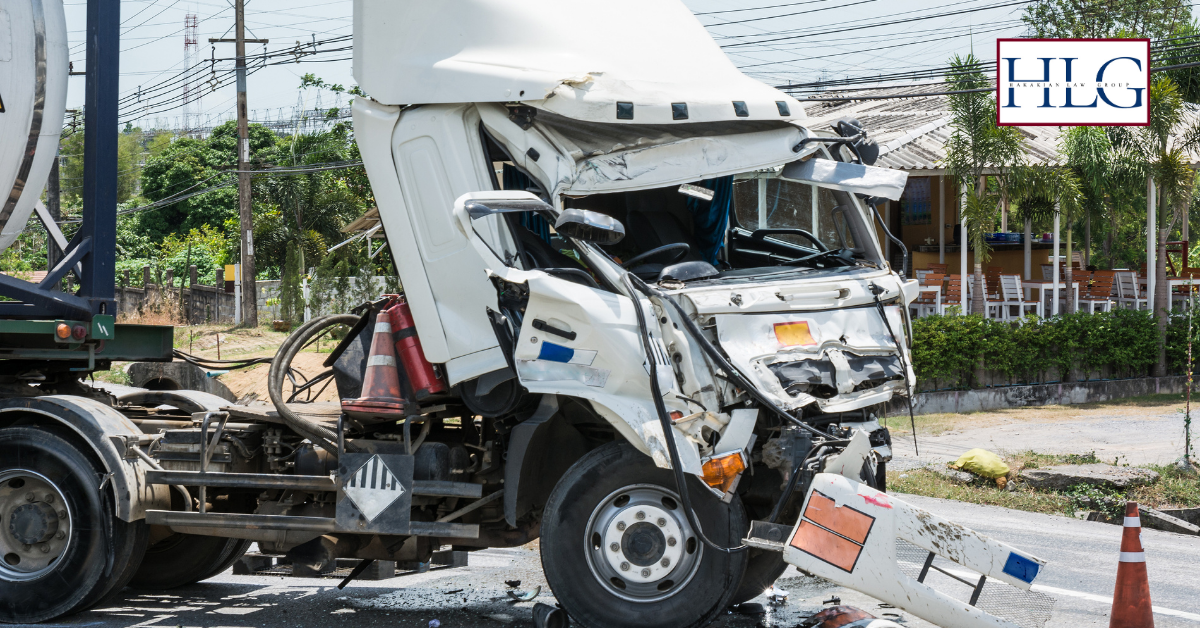
Catastrophic injury claims in Los Angeles often arise after a vehicle accident, an unsafe property condition, a workplace incident, or another act of negligence. Premises liability cases may qualify when a fall or dangerous condition causes permanent brain, spinal, or mobility problems.
A catastrophic injury lawyer evaluates both the medical harm and its long-term financial effects. Specific injuries can affect daily life in different ways, so each category requires its own medical evidence and care plan.
Types of catastrophic injuries we handle
Hakakian Law handles catastrophic injury claims as part of its broader personal injury practice across Los Angeles. These injuries often follow a vehicle accident, an unsafe property condition, a workplace incident, or another preventable event.
- Traumatic brain injury. A traumatic brain injury can affect memory, speech, judgment, mood, and movement. Some people need months of therapy, while others require lifelong help with daily tasks. Symptoms may appear gradually even when the injured person initially feels fine.
- Spinal cord injury. Spinal cord damage can disrupt communication between the brain and the body. An injured person may lose strength, feeling, bladder control, or mobility. Long-term care may include surgery, rehabilitation, mobility equipment, home changes, and personal assistance.
- Severe burns. Deep burns can damage skin, nerves, muscles, and other tissue. Treatment may involve repeated surgeries, skin grafts, infection care, and physical therapy. Scarring and limited movement can continue long after the wounds close.
- Amputation. Losing an arm, leg, hand, foot, finger, or toe can change how a person works and completes routine tasks. Recovery may require prosthetic devices, physical therapy, pain care, and changes to the home or vehicle. Prosthetic devices can also require replacement over time.
- Paralysis. Paralysis causes partial or complete loss of muscle control in part of the body. A person may need a wheelchair, breathing support, nursing care, or help with bathing and dressing. Paralysis can also prevent someone from returning to the same job.
- Organ damage. Trauma can permanently harm the heart, lungs, kidneys, liver, or other internal organs. An injured person may need surgery, medication, ongoing testing, dialysis, or a transplant. Some organ injuries also limit physical activity and create future medical risks.
A catastrophic injury lawyer evaluates how the injury affects your health, independence, work, and future care needs. Hakakian Law investigates the cause, identifies available insurance and responsible parties, and builds claims around the full impact of the injury rather than the first round of medical bills alone.
Traumatic brain injury: severity, causes, and hidden symptoms
A traumatic brain injury, or TBI, happens when a blow, jolt, or penetrating injury disrupts how the brain works. Doctors classify a TBI by the person’s symptoms, loss of consciousness, memory loss, examination results, and medical imaging. The initial category helps guide treatment, but people with the same category may recover differently.
Mild TBI often includes a concussion, brief confusion, or a short loss of consciousness. A person may still struggle with headaches, dizziness, sleep problems, memory, or focus. The word “mild” describes the initial medical findings and does not mean the symptoms cannot disrupt work and daily life.
Moderate TBI causes a longer period of confusion or unconsciousness and may produce visible damage on brain scans. Recovery can require hospital care, rehabilitation, and help with routine tasks. Some people experience lasting changes in speech, movement, memory, or behavior.
Severe TBI may involve extended unconsciousness, a coma, or major damage to brain tissue. A severe injury can limit movement, communication, judgment, and independent living. The injured person may need ongoing therapy, home changes, medical equipment, or full-time care.
Los Angeles TBI claims commonly involve several kinds of incidents.
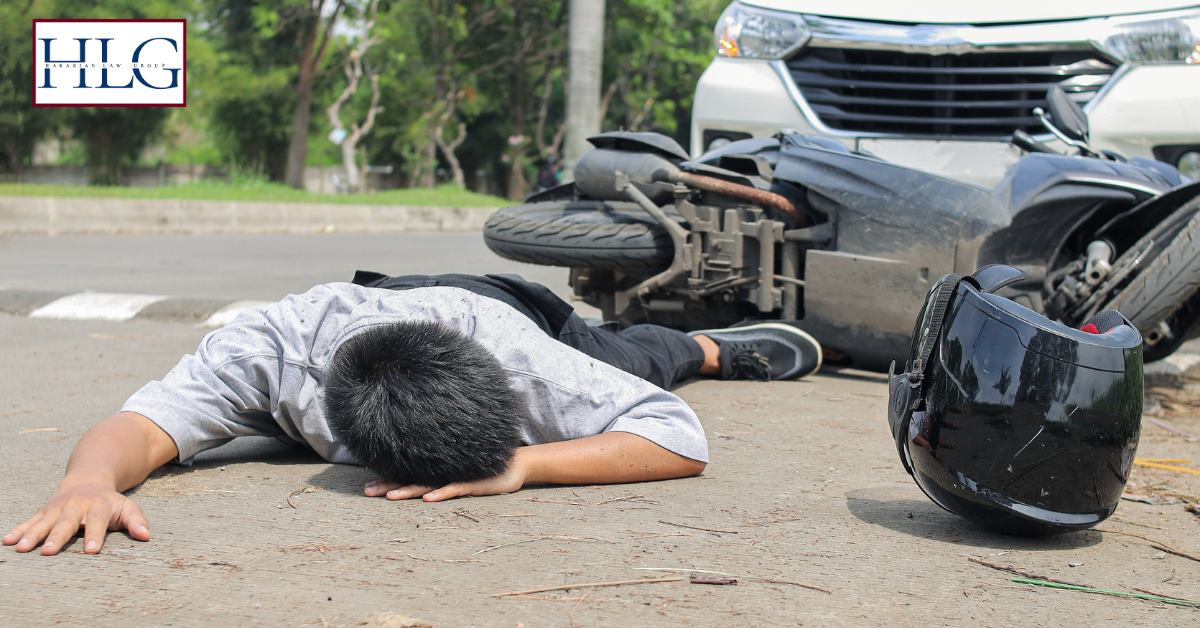
- A vehicle accident can make the brain strike the inside of the skull even when the head never hits the dashboard or window.
- A fall on unsafe property can cause a direct head impact and support a premises liability claim.
- A workplace incident can involve falling objects, construction equipment, or a fall from a raised surface.
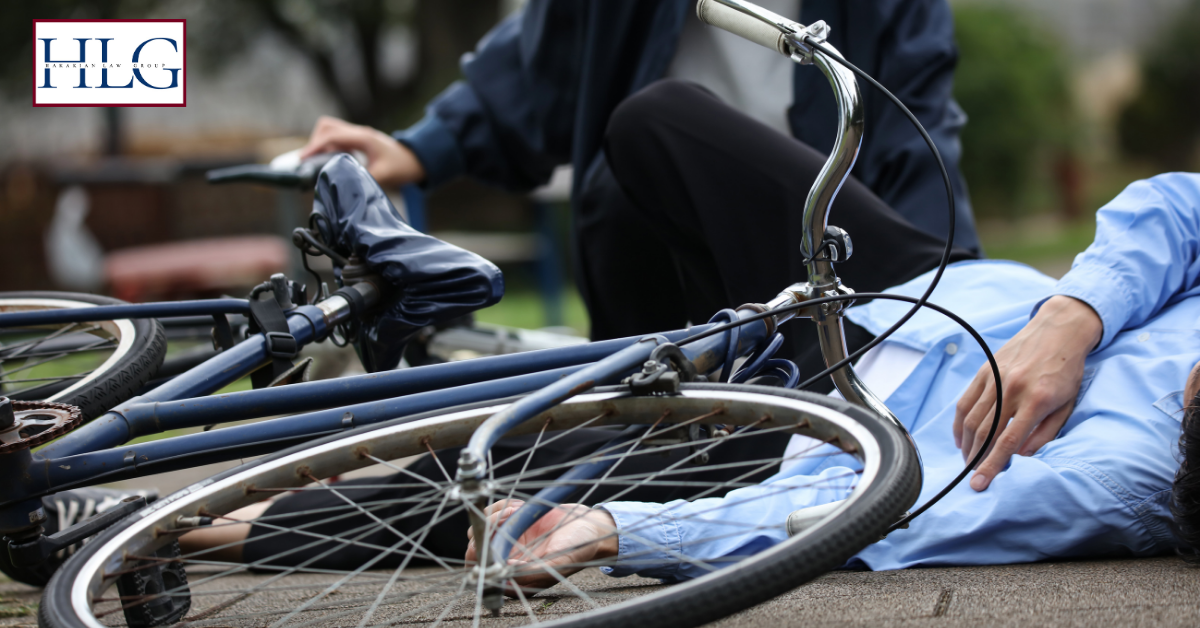
- A pedestrian or cyclist can suffer brain trauma when a vehicle hits them or throws them onto the road.
TBI symptoms may appear hours or days after an accident. Stress hormones can hide pain and confusion at first, while swelling or bleeding may develop over time. Memory problems may become clear only after the person returns to work, drives, or tries to manage normal tasks.
Anyone with a possible head injury should seek prompt medical evaluation even if they feel fine. Worsening headaches, repeated vomiting, unusual behavior, weakness, seizures, slurred speech, or increasing sleepiness require emergency care. Early records also help a brain injury lawyer in Los Angeles connect the symptoms to the incident and document future care needs in a personal injury claim.
What a catastrophic injury claim can recover
A catastrophic injury claim may seek compensation for financial losses and for the injury’s effect on daily life. The available damages depend on the facts, who caused the harm, and the evidence supporting each loss.
Economic damages
Economic damages cover losses that can be calculated with bills, employment records, and expert estimates. They may include emergency treatment, rehabilitation, medication, medical equipment, and home changes needed for a disability. A claim may also cover lost wages and reduced earning capacity when the injury limits your ability to work.
Future care often makes up a large part of a catastrophic injury claim. Doctors may estimate the treatment you will need, while financial or vocational experts may calculate care costs and future income losses. These projections can account for in-home assistance and long-term therapy.
Non-economic damages
Non-economic damages address losses without a fixed price. They may include physical pain, emotional suffering, and reduced enjoyment of life. For example, paralysis may prevent someone from caring for children independently or returning to activities that once shaped daily life.
Early documentation helps connect every claimed loss to the injury. Keep medical records, receipts, employment information, and notes about changes in your daily abilities. A catastrophic injury lawyer can use those records to estimate lifetime needs and challenge an insurer that overlooks future costs.
What to do in the first days after a catastrophic injury
- Get medical care first. Call 911 after a serious vehicle accident or dangerous fall. Do not delay treatment to collect evidence. Tell each medical provider how the injury happened and report every symptom, even if it seems minor. Brain injury symptoms may appear later, so follow all instructions for testing and follow-up care.
- Document the scene when possible. Take photos or video of the vehicles, roadway, damaged property, or unsafe condition. Record visible injuries as they change. Ask witnesses for their names and contact information. A family member can handle these steps if the injured person cannot.
- Preserve physical and digital evidence. Keep damaged clothing and personal items in their current condition. Save dashcam footage, phone videos, and messages about the incident. After a premises liability injury, ask the property owner in writing to preserve security video and incident records. Do not repair or discard important items before someone documents them.
- Limit conversations with insurance adjusters. Report the incident when your policy requires notice, but provide only basic facts. Do not give a recorded statement, sign a medical release, or accept a settlement before you understand the injury and future care needs. Avoid guessing about fault or saying you feel fine.
- Keep a daily file. Save medical paperwork and receipts, and track missed work. Write short notes about pain, sleep, movement, memory, and activities you can no longer manage. A catastrophic injury lawyer can use these records to investigate the claim and calculate its long-term effects.
How a Los Angeles catastrophic injury claim moves forward
A catastrophic injury claim usually moves through six stages. Medical recovery, disputed fault, the number of responsible parties, and court schedules can affect the timeline.
- The consultation can begin within days of the injury. Shawn Hakakian speaks with the injured person or family, reviews the known facts, and explains possible personal injury claims. He also identifies immediate concerns, including unpaid medical care or calls from insurance adjusters.
- The investigation often takes several weeks or months. Hakakian Law collects medical records, incident reports, photographs, video, witness statements, and insurance information. The evidence preserved during the first days after a vehicle accident or premises liability incident gives the investigation a stronger starting point. Shawn stays involved as the firm examines fault and identifies every party that may share responsibility.
- The firm files insurance claims and required legal notices promptly. Some cases involve one insurer, while others involve several companies, property owners, employers, or product makers. Hakakian Law tracks deadlines and handles communications so the injured person can focus on medical care.
- A demand usually follows once doctors can describe the injury and future needs. Serious injuries may require months of evaluation before doctors can estimate future treatment, lost earning capacity, or long-term assistance. The firm then sends the responsible parties a demand supported by medical evidence and a clear account of the injury’s effect on daily life.
- Negotiations may last weeks or months. Hakakian Law reviews each offer against current losses and expected future costs. Shawn explains the options personally and presses insurers when an offer fails to reflect the evidence. The client decides whether to accept a settlement.
- A lawsuit and trial may become necessary when the parties cannot agree. The lawsuit stage includes exchanging evidence, questioning witnesses under oath, consulting medical or financial specialists, and asking the court to resolve disputes. Some lawsuits settle before trial. Cases that reach trial may take a year or longer after filing because the court sets its own schedule.
A quick settlement can leave future care costs unpaid when doctors do not yet know the full prognosis. Hakakian Law moves each claim forward while giving the medical evidence enough time to show the injury’s lasting effects.
Why work with Hakakian Law on a catastrophic injury claim
Shawn Hakakian stays personally involved in catastrophic injury claims and keeps clients informed as their cases move forward. Hakakian Law combines personal attention with assertive representation when insurers dispute fault, medical needs, or the long-term cost of an injury.
The firm handles these cases on a contingency-fee basis. You pay no upfront attorney’s fee, and the firm collects a fee only if it obtains compensation for you. Your written agreement will explain the fee and any case costs before representation begins.
Hakakian Law serves clients through its broader Los Angeles personal injury practice. Schedule a free consultation to discuss your injury, available evidence, and possible next steps.
Frequently asked questions
What makes an injury catastrophic?
A catastrophic injury causes lasting harm and changes how a person works or handles daily life. Hakakian Law handles claims involving brain injuries, paralysis, severe burns, amputations, and other life-changing harm. A medical exam and case review can help you learn whether your injury fits this category.
How long does a catastrophic injury claim take?
A claim may take several months or longer than a year, depending on medical care, insurance disputes, and whether a trial becomes necessary. Hakakian Law investigates each Los Angeles case before seeking payment. A careful review helps account for future care and lost income before you accept an offer.
Can I make a claim if I do not have insurance?
You may still have a claim when another person or business caused your injury. Hakakian Law can check the at-fault party’s insurance and other possible sources of payment. You can learn your options before paying any legal fee.
How does a catastrophic injury lawyer get paid?
A contingency fee pays the lawyer a share of the money recovered through a settlement or verdict. Hakakian Law charges no upfront legal fee and receives a fee only when the firm recovers money for you. You can ask about the fee agreement during a free consultation.
Can I file a claim if brain injury symptoms appeared later?
A brain injury claim may remain possible when headaches, memory problems, or mood changes begin after the accident. Hakakian Law reviews medical records and evidence connected to the vehicle accident, fall, or premises liability incident. Prompt medical care can protect your health and document when the symptoms appeared.
The bottom line
Catastrophic injuries can affect your health, work, and independence for years. Your claim deserves prompt legal attention from someone who understands the full cost of long-term harm. Shawn Hakakian takes a personal role in each case, listens to your family, and pursues responsible parties and insurers with care and persistence. Contact Hakakian Law now for a free consultation about your Los Angeles catastrophic injury claim.
Disclaimer: This post is considered attorney advertising and is for informational purposes only. It does not create an attorney-client relationship. Past results do not guarantee future outcomes.