How to File a Vehicle Accident Claim in Orange County, California
What Counts as a Vehicle Accident Claim in Orange County
A vehicle accident claim asks an insurer or responsible party to pay for losses caused by a crash. Those losses may include medical expenses, lost income, vehicle damage, and pain and suffering. An injured driver, passenger, motorcyclist, bicyclist, or pedestrian may file a claim. A vehicle owner may seek property damage, and certain relatives may bring a wrongful death claim after a fatal crash.
A first-party claim uses your own insurance policy. Examples include collision, medical-payment, and uninsured or underinsured motorist coverage. A third-party claim seeks payment from the person or company responsible for the crash, usually through that party’s liability insurer.
An insurance claim differs from a lawsuit. Insurers investigate claims and negotiate payment outside court. If the parties cannot agree, the injured person may sue the responsible party and ask a court to decide fault and damages.
Orange County affects where a lawsuit may proceed, but it does not control where an insurer processes a claim. A case may qualify for filing in Orange County Superior Court when the crash happened in Orange County or a defendant lives there. Venue identifies the proper county and location for the case. Jurisdiction concerns the court’s legal authority to hear it. Court rules determine the proper filing location and case classification based on the parties, claims, and amount sought.
Step 1: Get Medical Care and Document the Scene Safely
Protect people before collecting evidence. Call 911 if anyone may be injured or the crash creates a road hazard. Move to a safe location if you can do so without risking further injury, and do not move a seriously injured person unless immediate danger requires it.
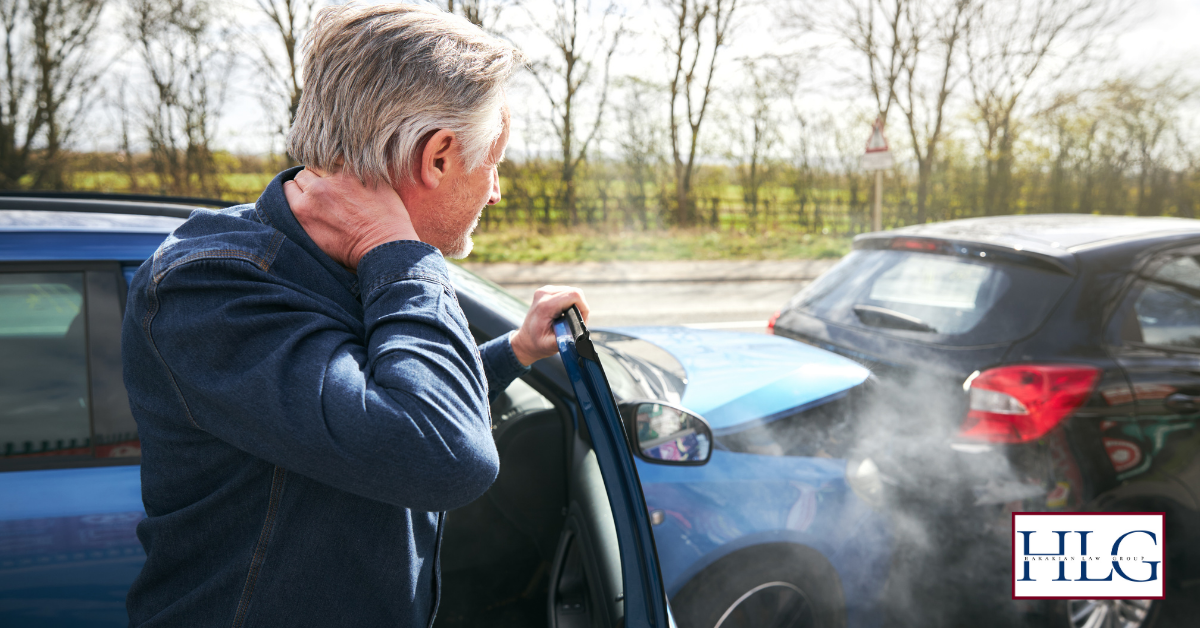
Prompt medical evaluation can identify injuries that may not cause immediate symptoms. Whiplash, concussion, and other injuries may cause neck pain, headaches, confusion, or dizziness hours later. Tell the medical provider how the crash happened and describe every symptom accurately. Follow the treatment plan and keep discharge instructions, test results, bills, and appointment records. Those records connect your injuries and treatment to the collision.
Scene evidence preserves details that may disappear after vehicles leave. If conditions are safe, photograph vehicle positions, damage, license plates, traffic signs, road conditions, and visible injuries. Exchange contact, driver’s license, and insurance information with the other drivers. Ask witnesses for their names and contact details because they may be difficult to locate later.
Call the police and ask an officer to respond, especially when someone is hurt, fault is disputed, or a driver may be impaired. Give the officer accurate facts without guessing or accepting blame. Record the responding agency’s name and the report or incident number for use when requesting the police report.
Step 2: Get the Police Report and Preserve Evidence
Request the collision report from the agency that responded to the crash. For a California Highway Patrol report, contact the CHP office that investigated the collision and provide the report number, date, location, and involved parties. For a report from an Orange County city police department, contact that department’s records unit and ask about its request form, identification rules, and fee.
Police reports help insurers investigate fault because they may contain witness statements, vehicle positions, citations, diagrams, and the officer’s observations. An officer’s opinion can carry weight, but the report does not legally decide who caused the crash. Insurers, attorneys, judges, and juries may reach a different conclusion after reviewing all available evidence.
Preserve physical and digital evidence as soon as possible. Photograph every side of each vehicle, visible injuries, debris, skid marks, and the surrounding road before repairs or cleanup change the scene. Keep medical records, bills, repair estimates, towing receipts, and proof of damaged personal items.
Video evidence can disappear quickly. Save the original dashcam file and make a backup rather than relying on a clipped or compressed copy. Ask nearby businesses, homeowners, witnesses, or public agencies to preserve relevant camera footage, since recording systems may erase old files within days or weeks. An attorney can send a written preservation request when another person or business controls important footage.
Step 3: Notify Insurance Carriers the Right Way
Notify your own insurer as soon as practical, even when another driver appears responsible. Give the date, location, vehicles involved, police report number, and known injuries. Stick to facts, and avoid guessing about speed, fault, or the extent of your injuries. Ask for the claim number, adjuster’s contact information, and a written summary of available coverage.
Your insurer may request a recorded statement under the cooperation terms of your policy. Before agreeing, ask whether the statement will be recorded and how it may be used. Review the accident facts and your medical condition first. Correct any mistake promptly in writing.
The other driver’s insurer may also request a recorded statement, but you generally do not need to provide one. You can say that you are still receiving medical care and will provide relevant information in writing. Recorded answers can hurt a claim when symptoms appear later or when an adjuster treats an uncertain estimate as a firm fact. An attorney can communicate with the adjuster if you do not feel comfortable responding.
Check your own policy for coverage that may apply before fault is resolved. Medical-payment coverage, often called MedPay, can pay covered accident-related medical expenses up to the purchased limit, regardless of fault. Uninsured motorist coverage may apply when the responsible driver lacks insurance. Underinsured motorist coverage may apply when that driver’s liability coverage cannot fully cover the loss, subject to your policy terms and limits.
Insurance limits affect how much an insurer must pay. California underinsured coverage generally does not stack on top of the other driver’s limits. It may cover the difference up to your own applicable limit. Additional policies, responsible parties, or personal assets may provide other recovery sources, depending on the facts. Request policy information and avoid accepting a final settlement until you understand your injuries, available coverage, and unpaid medical costs.
Understanding Fault and California's Comparative Negligence Rule
California follows pure comparative negligence. An injured person can recover damages even when partly responsible for a crash, but the person’s share of fault reduces the recovery by the same percentage. A court or insurer may divide fault among the drivers and other responsible parties.
Suppose your medical bills, lost income, property damage, and pain and suffering total $100,000. If you carry 25 percent of the fault, your recoverable damages fall to $75,000. If you carry 60 percent of the fault, they fall to $40,000. Available insurance coverage and other claim issues may reduce the amount actually paid.
Insurers often argue that an injured person shares more fault than the evidence supports. An adjuster might claim that you were speeding, following too closely, distracted, or slow to react. A higher fault percentage gives the insurer a reason to make a lower offer.
Photos, witness statements, vehicle damage, camera footage, and electronic vehicle data can help establish each driver’s actions. Police reports may also help, but an officer’s opinion does not always settle legal fault. If the parties cannot agree, a judge or jury can assign the percentages after reviewing the evidence.
Step 4: Understand Damages and What a Claim Is Worth
A vehicle accident claim may include economic and non-economic damages. Economic damages cover financial losses such as medical bills, future treatment, lost wages, reduced earning ability, and property damage. Repair estimates, pay records, medical bills, and written opinions about future care help document these losses.
Non-economic damages compensate for harm that has no set price. Examples include physical pain, emotional distress, sleep problems, and loss of enjoyment of daily activities. California law does not set a standard multiplier for these damages. Insurers consider the injury’s severity, recovery time, treatment records, and effect on the person’s work and daily life.
A reasonable settlement estimate must account for future losses as well as current bills. For example, a person who needs another surgery may face added medical costs and more time away from work. Medical records and opinions from treating professionals can support those expected losses.
Liens can reduce the amount you receive after settlement. A health insurer may seek repayment for accident-related care, and a hospital or medical provider may claim payment from the settlement. Each claimed lien should be checked for validity and the correct amount. Valid liens generally must be paid or resolved before or when settlement funds are distributed.
The settlement amount and the amount you keep are different figures. Before accepting an offer, calculate the expected net recovery after liens, legal fees, case costs, and any unpaid medical bills.
Injury-Specific Evidence Hakakian Law Group Evaluates
Hakakian Law Group evaluates each injury through medical records, diagnostic testing, treatment history, and evidence of how the injury affects daily life. The firm also looks for a clear connection between the collision, the symptoms, and the care a medical provider recommended.
Fracture claims rely heavily on X-rays, CT scans, and orthopedic records. Surgery reports, physical therapy notes, work restrictions, and follow-up imaging can show whether a broken bone healed properly or caused lasting limits.
Traumatic brain injury claims require careful symptom documentation because some brain injuries may not appear on routine imaging. Hakakian Law Group reviews emergency records, neurological evaluations, cognitive testing, and reports of memory, balance, sleep, or concentration problems. Statements from relatives or coworkers may help document changes after the crash.
Spinal injury evidence depends on the part of the spine involved and the severity of the damage. MRI or CT results can help identify disc injuries, fractures, or spinal cord damage. Specialist records can connect those findings to pain, weakness, numbness, reduced movement, or paralysis.
Soft-tissue injuries often require consistent treatment records because swelling, strains, and sprains may not appear on an X-ray. Medical examinations, physical therapy notes, pain-management records, and documented activity limits can show the duration and effect of the injury.
Catastrophic harm requires evidence of future needs as well as current treatment. Severe brain injuries, spinal cord damage, burns, amputations, organ damage, and paralysis may require specialist opinions and life-care planning. A life-care plan estimates future medical care, equipment, home assistance, and related costs. Hakakian Law Group uses injury-specific evidence to evaluate damages without assuming that a diagnosis alone proves the full value of a claim.
Step 5: Negotiate the Settlement and Recognize Bad-Faith Tactics
Settlement negotiations usually begin after your injuries and financial losses become clear. You or your lawyer sends the insurer a demand package with evidence of fault, medical records, bills, wage-loss proof, and a requested amount. The adjuster may accept the demand, reject it, or make a counteroffer. Most negotiations involve several exchanges.
Quick early offers often arrive before doctors know whether you will need more treatment. The insurer may seek a signed release that ends your claim, including any claim for problems discovered later. You should understand your expected care and the amount you will receive after medical liens before accepting an offer.
Insurers may challenge treatment that began late or followed a gap in care. An adjuster may also blame symptoms on an earlier condition or argue that the crash caused only minor injuries. Some insurers request the same records repeatedly or take long periods to respond. These tactics can reduce the amount paid or pressure an injured person to settle sooner.
A low offer may leave out lost income, future care, pain, or other documented harm. Ask the adjuster to explain the offer in writing. A supported counteroffer can address each disputed item with medical findings, employment records, repair evidence, or witness statements.
California insurance bad faith generally concerns your own insurer’s unreasonable handling of benefits owed under your policy. The issue may arise when your carrier fails to investigate fairly or delays covered payments without a reasonable basis. Claims involving uninsured motorist coverage, underinsured motorist coverage, MedPay, or collision coverage may raise these concerns. A disagreement over value alone does not prove bad faith.
Third-party insurers usually do not owe an injured claimant the same direct duty. An attorney can identify whose duties apply, preserve communications, and decide whether continued negotiation or a lawsuit makes sense.
Step 6: When a Lawsuit Becomes Necessary
A lawsuit may become necessary when an insurer denies responsibility, disputes the injuries, or refuses to make a reasonable offer. Filing may also protect the claim when the legal deadline approaches. A lawsuit starts with a complaint that identifies the responsible parties, describes the accident and injuries, and requests damages.
You may usually file a vehicle accident case in the county where the defendant lives or where the collision happened. An accident in Orange County can therefore support venue in Orange County Superior Court. Different rules may apply when a business, public entity, or out-of-county defendant is involved.
The amount sought affects how the court classifies the case. Claims for more than $35,000 generally proceed as unlimited civil cases, which the Orange County Superior Court handles at the Central Justice Center in Santa Ana. Claims for $35,000 or less generally proceed as limited civil cases. The court may assign those cases to a justice center based on its current venue schedule. You should check the court’s filing rules rather than assume the nearest branch will accept the case.
After filing, the plaintiff must formally serve each defendant. Both sides then exchange written information, documents, and sworn testimony through discovery. Medical records, crash evidence, expert opinions, and insurance information often become important during this stage.
The parties may continue negotiating or attend mediation, where a neutral person helps them explore settlement. If they cannot agree, the case may proceed to trial. A judge or jury then decides fault and damages based on the admitted evidence. Filing a lawsuit does not guarantee a settlement or a particular trial result.
Deadlines That Control Your Claim
California generally gives an injured person two years from the accident date to file a personal injury lawsuit. California Code of Civil Procedure section 335.1 also applies to wrongful death claims, usually measured from the date of death. Insurance negotiations do not pause this deadline, and filing a claim with an insurer does not count as filing a lawsuit.
Claims against a city, county, public agency, or other California public entity follow a shorter process. Government Code section 911.2 generally requires you to present a written government claim within six months after the injury claim arises. If the agency rejects the claim in writing, Government Code section 945.6 generally gives you six months from the rejection notice to file suit.
Limited exceptions may extend a deadline. For example, Code of Civil Procedure section 352 generally pauses the ordinary personal injury limitation period while an injured person is under 18. Delayed discovery and other tolling rules may apply in narrower situations. However, minority does not automatically excuse the six-month government-claim deadline.
A person who misses the government deadline may seek permission to submit a late claim, usually within one year after the claim arose. Strict eligibility rules apply, and the public entity or a court may deny the request. Missing an applicable filing or claim-presentation deadline can prevent recovery, so you should identify every possible defendant early.
How Hakakian Law Group Approaches Vehicle Accident Claims
Hakakian Law Group represents people injured in car, truck, rideshare, pedestrian, and other vehicle accidents in California. The firm combines personal attention with aggressive representation and keeps clients informed as their claims move forward.
The firm evaluates medical records and other injury evidence before seeking payment from an insurer. Depending on the injury, that review may include imaging, specialist findings, treatment history, work restrictions, and documentation of future care. Those records help connect the collision to the injuries and support the damages claimed.
Hakakian Law Group offers free consultations. The firm handles personal injury cases on a contingency-fee basis, so clients pay no upfront attorney fee. Attorney fees become due only if the firm obtains a recovery, subject to the written fee agreement. A consultation gives the firm an opportunity to review fault, insurance coverage, injuries, deadlines, and possible next steps.
Frequently Asked Questions
Who decides fault when the evidence is unclear?
Insurance companies review driver statements, photos, witness accounts, vehicle damage, and police records. If the parties still disagree, a judge or jury may assign each person a share of fault under California’s comparative negligence rule.
What should I do if pain appears days after the crash?
Seek medical care as soon as symptoms appear and explain when they began. Delayed treatment can make it harder to connect the injury to the accident, but a delay does not automatically defeat your claim.
Do I need a police report to file a claim?
California generally does not require a police report for an insurance claim. A report can still provide useful facts and witness information. You may also need to report the accident to the California DMV within 10 days if anyone was injured or killed, or property damage exceeded $1,000.
Who pays my medical bills first?
You remain responsible for your medical bills while the claim is pending. Health insurance or medical-payment coverage may pay some costs first. The at-fault driver’s insurer usually pays through a later settlement rather than as treatment occurs.
How do insurers estimate what my claim is worth?
Insurers consider medical costs, future care, lost income, property damage, pain, available evidence, fault percentages, and policy limits. Medical liens and prior injuries may also affect the amount you receive after settlement.
What should I say if an insurance adjuster calls?
Provide basic identifying and accident information, but do not guess, admit fault, minimize injuries, or sign a release without review. You can decline a recorded statement requested by the other driver’s insurer.
Can I recover pay for missed work?
You may claim wages or self-employment income lost because of accident-related injuries. Preserve pay stubs, tax records, work schedules, and a medical note supporting your time away.
Where do I file a lawsuit after an Orange County accident?
Orange County Superior Court may hear the case when the crash happened in Orange County. The defendant’s residence and other venue rules can affect the proper filing location and courthouse branch.
What if the other driver has no insurance or too little coverage?
Your uninsured or underinsured motorist coverage may pay covered losses up to your policy limits. Hakakian Law Group can review the available policies and other possible sources of recovery.
Disclaimer: This post is considered attorney advertising and is for informational purposes only. It does not create an attorney-client relationship. Past results do not guarantee future outcomes.