How to File a Dog Bite Claim in Los Angeles
California's strict liability rule for dog bites
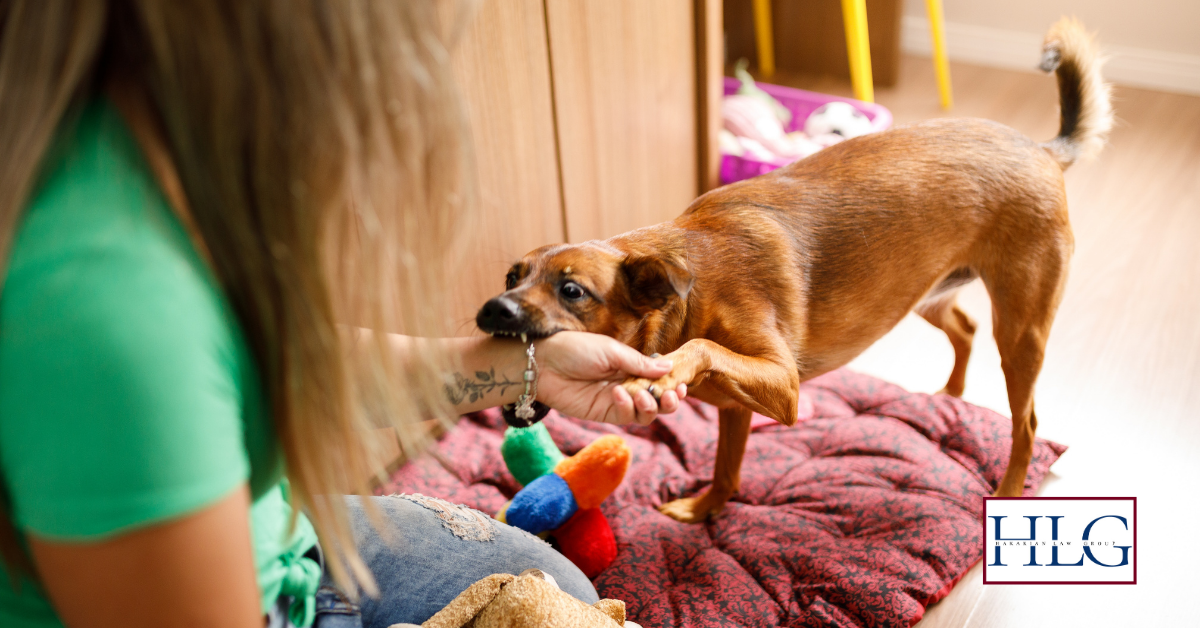
California law generally holds a dog owner responsible when the dog bites someone in a public place or while that person is lawfully on private property. The victim does not need to prove that the owner acted carelessly. The victim also does not need to show that the dog had bitten someone before or had shown signs of aggression.
Some states follow a “one bite rule,” which may protect an owner who had no reason to know the dog was dangerous. California does not use that rule for covered dog bites. In Los Angeles, an owner cannot avoid responsibility simply by saying the dog had always been friendly.
California’s strict liability rule still requires the victim to prove the basic facts of the claim. You must show that the defendant owned the dog, the dog bit you, you were lawfully present, and the bite caused injuries or other losses. Medical records, photographs, witness statements, and information about the dog can help establish those facts.
Certain disputes can affect liability or compensation. California’s dog bite law may not protect someone who was trespassing. An insurer may also argue that the victim provoked the dog and should share some responsibility for the injury. California’s comparative fault rules can reduce compensation when the victim’s own conduct helped cause the bite. Limited exceptions may also apply to police or military dogs performing official duties.
Step-by-step: what to do after a dog bite in Los Angeles
Follow these steps in order when possible. A medical emergency always takes priority over photos, reports, or insurance information.
1. Get medical treatment
Wash the wound with soap and water, apply gentle pressure to stop bleeding, and cover it with a clean bandage. Seek prompt medical care because dog bites can damage tissue and cause infection. Call 911 for heavy bleeding, severe pain, deep wounds, or bites to the face, neck, or hands.
Tell the doctor when the bite happened and whether you know the dog's vaccination status. Keep all discharge papers, prescriptions, bills, and follow-up instructions.
2. Photograph the injuries and location
Take clear photos of every wound before treatment if you can do so safely. Photograph torn or bloody clothing, the dog, the place where the bite occurred, an open gate, a broken fence, or missing warning signs.
Continue taking photos as the injury heals. Later pictures can document swelling, infection, stitches, and scars that may not appear on the first day.
3. Get the owner's contact and insurance information
Ask for the dog owner's full name, address, phone number, and email address. Request the name and policy number for any homeowner's or renter's insurance.
Write down the dog's name, breed, license information, and vaccination status. Get contact details from witnesses. If the dog is loose or the owner refuses to cooperate, do not chase or confront them. Record what you can safely observe.
4. Report the bite
Los Angeles County requires dog bites to be reported. Contact LA County Animal Care and Control or the local health department that serves the place where the bite happened.
Provide the date, location, owner's information, description of the dog, and known vaccination details. Ask for a report or case number, and keep a copy of anything you submit. Animal control may locate the dog and arrange the required rabies observation or quarantine.
5. Choose how to start the claim
You can open a dog bite claim with the owner's homeowner's or renter's insurer, or you can contact an attorney first. A direct insurance claim may suit a minor injury with clear facts and complete insurance information.
Speak with a dog bite attorney before giving a recorded statement or accepting money if the injury required stitches, caused a scar, kept you from work, or involved disputed facts. Keep medical records, receipts, photos, witness details, and animal control documents together for either path.
Who to open a claim with: insurance or an attorney?
Open the dog bite claim with the dog owner’s homeowner’s or renter’s insurance company. The owner should provide the insurer’s name, policy number, and claims phone number. If the owner refuses or cannot find the information, a dog bite attorney can seek it for you.
Handling the claim yourself may work for a minor bite that heals quickly and causes little or no missed work. You can send the insurer your medical records, bills, injury photos, and proof of lost pay. Avoid accepting a settlement until your doctor knows whether you will need more treatment or have lasting scars. A signed release usually ends your right to seek more money.
Contact an attorney before speaking with the insurer if the injury is serious, the wound may scar, or the owner disputes what happened. An attorney can open and manage the insurance claim before you give a recorded statement. The attorney can also calculate losses, preserve evidence, and respond if the insurer blames you or questions coverage.
An insurance adjuster works for the insurance company and may try to limit payment. You do not need to give a recorded statement or accept an early offer before getting legal advice. California’s strict liability rule may support your claim, but it does not require an insurer to value every loss fairly.
If the dog was not vaccinated
An unvaccinated dog bite needs prompt medical care because rabies can be fatal once symptoms begin. Wash the wound with soap and running water, then see a doctor immediately. Do not wait for the owner to find vaccination records.
A doctor or public health official will assess the bite and decide whether you need rabies post-exposure treatment. The treatment can include a dose of rabies antibodies and a series of vaccine shots. The decision depends on the type of exposure, the dog’s condition, and whether officials can locate and observe the dog.
Los Angeles County generally requires a dog that bites a person to remain confined and observed for 10 days after the bite. Animal control or public health officials decide whether the dog can stay securely at the owner’s property or must go to an approved facility. If the dog becomes sick or dies during observation, officials may test it for rabies. A missing dog can make the medical decision more urgent because officials cannot monitor its health.
Ask the owner for vaccination records, but let animal control verify them. Conflicting records can delay decisions about treatment and increase medical costs. An insurer may also dispute whether added treatment was necessary, so keep medical instructions, public health reports, bills, and messages about the dog’s vaccination status.
What compensation you can claim
A dog bite claim may seek payment for both financial losses and the physical and emotional harm caused by the attack.
Medical bills. You can claim the cost of emergency care, doctor visits, medication, vaccines, infection treatment, surgery, and physical therapy. Future care may also qualify if your doctor expects you to need more treatment.
Scarring and disfigurement. You may seek compensation for lasting scars, nerve damage, loss of movement, or changes to your appearance. Claims involving facial scars or plastic surgery often require medical records, injury photos, and an opinion about future treatment.
Lost wages. You can claim income lost while receiving treatment or recovering from the bite. If the injury limits your ability to work in the future, your claim may include reduced earning ability. Pay records and a letter from your employer can document these losses.
Pain and suffering. You may seek compensation for physical pain, sleep problems, anxiety, fear of dogs, and other emotional effects. Medical records, therapy notes, photos, and a written account of how the injury affects daily life can support this part of the claim.
Keep every bill, receipt, medical record, pay statement, and injury photo. An insurer will usually ask for proof before paying any category of damages.
Why dog bite claims get disputed
An insurer may deny coverage if the owner’s homeowner’s or renter’s policy excludes the dog’s breed or excludes animal injuries. A coverage exclusion does not erase the owner’s possible liability, but it may require you to seek payment from the owner directly or find another policy that applies.
An insurer may argue that your actions contributed to the bite. For example, the insurer might claim that you teased, struck, or threatened the dog. California’s comparative fault rules may reduce compensation if evidence shows that you helped cause the incident.
Trespassing can create a separate dispute. California’s strict liability law generally protects people bitten in a public place or while lawfully on private property. An insurer may deny the claim if it alleges that you entered the property without permission.
Insurers may also question the dog’s vaccination records or prior bite history. Vaccination disputes can delay decisions while animal control and medical providers assess rabies exposure. However, California generally does not require proof that the dog previously bit someone or showed aggression.
Photos, witness names, medical records, and the official bite report can help answer these arguments. Avoid guessing about what happened or giving a recorded statement before you understand how the insurer may use your words.
When to bring in a dog bite attorney
Consider hiring a dog bite attorney when the injury involves deep wounds, surgery, infection, nerve damage, facial scarring, or missed work. A lawyer can gather medical records, document future treatment costs, and handle insurer requests while you recover.
Legal help also makes sense when an insurer denies the claim, offers too little, or points to a breed exclusion in the owner’s policy. Contact an attorney before responding if the insurer accuses you of provoking the dog or trespassing. Those claims may reduce compensation, but photographs, witness statements, medical records, and property records can help establish what happened.
You should also speak with a lawyer before signing a release. Once you accept a settlement, you usually cannot seek more money if an infection develops or scarring requires further care.
Hakakian Law offers free consultations for dog bite claims in Los Angeles. The firm works on a contingency fee basis, so you pay no attorney’s fee unless the firm wins compensation for you.
Frequently asked questions
Who do I open a claim with after a dog bite?
You usually open the claim with the dog owner’s homeowners or renters insurance company. You can contact a dog bite attorney before giving the insurer a recorded statement, especially if the injury may leave scars or require ongoing care.
What happens if a dog that hasn’t been vaccinated bites me?
Get medical care right away because a doctor must assess the risk of rabies and decide whether you need treatment. Los Angeles County health officials generally require the dog to undergo a 10-day quarantine and observation period. Report the bite promptly so officials can locate and monitor the animal.
How long do I have to file a dog bite lawsuit in California?
California generally gives an injured person two years after the bite to file a lawsuit. Shorter deadlines may apply if a government agency owned or controlled the dog, so you should seek legal advice early.
What if I do not know who owns the dog?
Report the bite to animal control and provide the location, photos, witness information, and a description of the dog. Animal control may identify the owner through tags, a microchip, or local records. A lawyer can also investigate possible owners and insurance coverage.
Does it matter if I was on the owner’s property?
California’s strict liability rule generally covers people who were lawfully on private property, including invited guests and workers. An insurer may dispute your dog bite claim if it alleges that you were trespassing or provoked the dog. Those facts can affect whether you recover compensation and how much you receive.
Disclaimer: This post is considered attorney advertising and is for informational purposes only. It does not create an attorney-client relationship. Past results do not guarantee future outcomes.