Hakakian Law Group | Jul 07 2026 18:15
About the Author
Shawn S. Hakakian, Esq. is the founder of Hakakian Law Group, PC in West Hollywood, CA. A Penn Law graduate and former Gibson Dunn attorney, he is a National Trial Lawyers Top 40 Under 40 honoree, Avvo Clients' Choice Award recipient, and member of CAALA and the Consumer Attorneys of California. CA Bar No. 342841.
What Families Need to Know Right Now
Losing someone to another person's negligence is a grief no family should carry alone. California law gives you the right to hold the responsible party accountable.
-
You have 2 years from the date of death to file. Some claims have shorter deadlines.
-
You pay nothing upfront. We work on contingency, so there are no fees unless we win.
-
Spouses, children, and certain dependents can file. Parents may file when no spouse or children exist.
-
Your first consultation is free. We review your case and explain your options at no cost.
Government claims require notice within 6 months. Medical malpractice cases run shorter. Call us before the clock runs out.
What Is a Wrongful Death Claim in California?
A wrongful death claim is a lawsuit you file when someone else's careless or reckless act causes a loved one to die. California law allows the surviving family to hold the at-fault party responsible and recover money for their loss. The right to bring this claim comes from California Code of Civil Procedure § 377.60.
Think about the situations families face every day in Los Angeles. A drunk driver runs a red light and kills a father on his way home. A doctor misses a clear warning sign and a patient dies. A truck with worn brakes crushes a car on the 405. Each one can support a wrongful death claim.
There is a second, related claim called a survival action. A wrongful death claim covers the losses the family suffers because their loved one is gone. A survival action covers what your loved one went through before dying, such as medical bills and pain. The two claims often move forward together, and the full comparison comes later in this guide.
You do not have to figure out which claim fits your situation. That is the lawyer's job.
Who Can File a Wrongful Death Lawsuit in Los Angeles?
California law decides who can file, not your family. CCP § 377.60 names who has the right to bring a claim, and it follows a clear order of priority.
The people closest to the decedent come first:
-
Surviving spouse or registered domestic partner
-
Children of the decedent, including adult children
-
Grandchildren, when the decedent's children have also died
If none of those people exist, the right passes to whoever would inherit the decedent's property under California intestacy rules. That usually means parents, then siblings.
Two groups get overlooked all the time. A putative spouse is someone who believed in good faith they were legally married, even if the marriage turned out to be invalid. Stepchildren and financial dependents may also qualify if they relied on the decedent for support. Many families assume these relatives have no claim and never ask. They often do.
When several heirs have standing, California requires a single joint action. You and your relatives bring one lawsuit together rather than separate cases. The court then divides any recovery among the heirs based on each person's actual losses.
If a minor child is one of the heirs, the court must approve any settlement before money is paid out. That step protects the child's share and cannot be skipped.
What Damages Can Your Family Recover?
California law splits the money your family can recover into two buckets. Economic damages cover the dollars you can count. Non-economic damages cover the losses no receipt can measure.
Economic damages under CCP § 377.61 include the income your loved one would have brought home, the value of household services they performed like childcare and cooking, lost benefits such as health insurance and pension, and the cost of the funeral and burial.
Non-economic damages compensate for the loss of love, companionship, comfort, and the guidance a parent gives a child. These awards are often the largest part of a family's recovery, especially when minor children lose a parent.
California law draws a firm line on two points. A wrongful death claim does not pay for your own grief, sorrow, or mental anguish. It also does not cover what your loved one suffered before death. That last category belongs to a separate claim called a survival action.
A survival action recovers losses your loved one experienced before they died, and it is the only path to punitive damages. Many families bring both claims together. Here is how they compare.
|
|
Wrongful Death (CCP § 377.60) |
Survival Action (CCP § 377.30) |
|---|---|---|
| Who files |
Surviving heirs |
Personal representative of the estate |
| What it recovers |
The family's losses from the death |
The decedent's own losses before death |
| Punitive damages |
Generally not available |
Available |
| Deadline starts |
Date of death |
Date of the wrongful act |
Punitive damages punish extreme misconduct like a DUI or a concealed product defect. In one Orange County case involving a repeat DUI offender, the family recovered $5 million in punitive damages on top of $3.7 million in compensatory damages.
Most wrongful death cases face no cap on damages. Medical malpractice cases are the exception. Under Assembly Bill 35, non-economic damages in malpractice death cases started at $500,000 in 2023 and climb toward $1 million by 2033. That cap applies only when the death was caused by a medical provider's negligence.
How Long Do You Have to File? California's Statute of Limitations
In most California wrongful death cases, you have two years from the date of death to file your lawsuit under CCP § 335.1. Miss that window, and the court can throw out your case no matter how strong it is. Several situations shorten or change that deadline.
-
Government or public entity involved. You must file a written notice of claim within 6 months. A city bus, a county vehicle, or a public hospital all fall here. Missing this almost always ends the case.
-
Medical malpractice deaths. You have 1 year from when you discover the cause or 3 years from the date of death, whichever comes first.
-
Survival actions. The estate has the later of 2 years from the wrongful act or 6 months from the date of death to file under CCP § 366.1.
Evidence disappears fast. Witnesses forget, vehicles get repaired, and records get lost, so contact a lawyer within days, not months.
How a Wrongful Death Case Works: Step by Step
Most families have never sued anyone. The process below shows what happens after you call us, in plain order, so you know what to expect at each stage.
1. Free consultation. You tell us what happened. We tell you whether you have a case, who can file, and what deadlines apply. You owe nothing for this conversation.
2. Investigation. We gather the police report, medical records, witness statements, and any video or physical evidence. In serious cases we bring in accident reconstructionists and life care planners to prove the full cost of your loss.
3. Demand or filing. We send the at-fault party's insurer a demand backed by our evidence. If they refuse a fair offer, we file a lawsuit in Los Angeles County Superior Court before your two-year deadline expires.
4. Discovery. Both sides exchange documents and answer questions under oath. We depose the people responsible and force the insurer to show what they knew. This stage often lasts several months.
5. Mediation. A neutral mediator helps both sides try to settle. Most California wrongful death cases resolve here, which spares your family the strain of a public trial.
6. Trial. If the insurer still won't pay what your loss is worth, we take your case to a jury. We present the evidence, your experts testify, and the jury decides liability and damages.
You pay nothing along the way. Hakakian Law Group works on a contingency fee, so we cover the costs of investigation and experts upfront and only collect a fee if we win money for you. No recovery means no fee. That arrangement lets a grieving family hire a serious trial lawyer without touching their savings.
Catastrophic Injuries That Change Everything
A catastrophic injury is one that leaves a permanent mark on your life. The law looks past the diagnosis and focuses on the lasting harm. If an injury causes permanent impairment, severe disability, lasting disfigurement, or the loss of a major bodily function like movement, thinking, or sight, it qualifies as catastrophic.
These injuries change how you live, work, and care for yourself for the rest of your life. They demand far more than a standard injury claim.
The most common catastrophic injuries we handle include:
-
Traumatic brain injury (TBI). A severe TBI brings memory loss, trouble thinking clearly, mood changes, and personality shifts. Standard CT scans often miss the damage, so winning these cases takes advanced imaging and neuropsychological testing.
-
Spinal cord injury. Damage to the neck causes quadriplegia, affecting all four limbs. Lower spine damage causes paraplegia. Both bring a lifetime of medical needs.
-
Amputation. Losing a limb means a lifetime of prosthetics. A single advanced prosthetic leg costs between $40,000 and $100,000 and needs replacing every three to five years.
-
Severe burns. Third-degree burns destroy the skin and require grafts and multiple surgeries. Burns covering large areas leave permanent scarring and movement problems.
-
Permanent disability. Vision and hearing loss, organ damage, and chronic pain conditions all leave you needing care for decades.
The costs add up fast. A complete spinal cord injury at the neck regularly runs past $5 million in lifetime medical bills, before you add home modifications, equipment, and attendant care. California juries have awarded non-economic damages in the tens of millions for severe brain injuries and paralysis, because outside of medical malpractice there is no cap on what a jury can award.
You can still recover money even if you were partly at fault. California follows a pure comparative fault rule. If a jury finds you 30% responsible for a $10 million verdict, you still collect $7 million. Do not let an insurance company convince you that a partial mistake erases your claim.
When a Loved One Dies or Is Injured: Cause-Specific Cases
Different accidents demand different legal strategies. The four causes below each carry their own liability rules, deadlines, and sources of recovery.
Car and Motorcycle Accidents
Most car and motorcycle cases turn on negligence. You prove the other driver broke a duty of care, and that breach caused the death or injury. Speeding, running a red light, texting, and tailgating all count.
Insurance often decides what your family actually recovers. One driver may carry a minimum policy that falls far short of the real loss. A skilled attorney looks for additional coverage to stack, including the at-fault driver's primary policy, an umbrella policy, and your own underinsured motorist coverage.
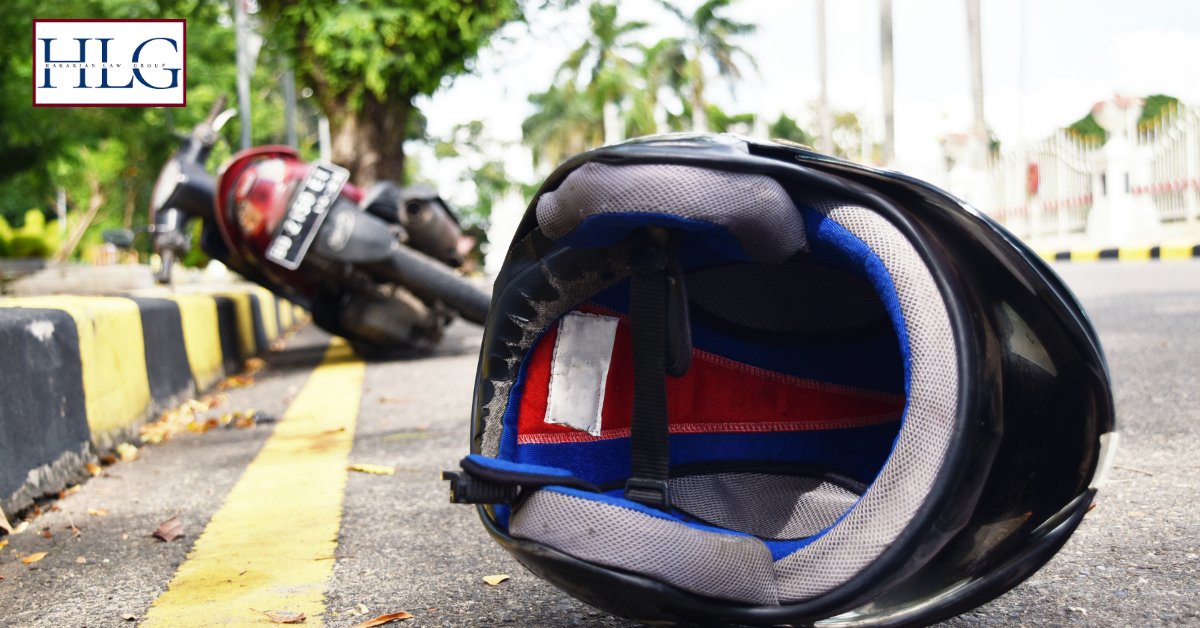
Motorcycle riders face the worst injuries in these crashes. A rider thrown from a bike commonly suffers a traumatic brain injury or a spinal cord injury, even with a helmet. Lifetime care for a complete cervical spinal cord injury regularly exceeds $5 million, which is why policy limits matter so much.
When a drunk driver kills your loved one, the law allows more. Punitive damages are available through a survival action under Civil Code § 3294 when the driver acted with malice or oppression. One Orange County repeat-offender DUI case produced $5 million in punitive damages on top of the compensatory award.
Truck and Commercial Vehicle Accidents
A truck crash rarely involves just one negligent party. The driver may be at fault, but so might the trucking carrier, the company that loaded the cargo, the shipper, or the mechanic who skipped a brake inspection. Each of these defendants carries its own insurance, and naming all of them gives your family more ways to recover.
Commercial trucks fall under federal safety rules set by the FMCSA, the agency that governs driver hours, vehicle maintenance, and logbooks. When a carrier breaks those rules, that violation becomes evidence of negligence in your case. We pull these records fast before a company can lose them.
Big rigs also carry much larger policies than passenger cars, often $1 million or more. Those higher limits change how we build the case. We have room to pursue the full value of a death or catastrophic injury instead of settling against a small policy that runs out.
Workplace Accidents and Industrial Injuries
Workers' compensation pays for a job injury or death, but it rarely covers everything your family lost. Comp benefits are limited and do not include pain and suffering or full lost income. You cannot usually sue your own employer.
You often can sue a third party who caused the harm. A negligent subcontractor, a property owner, or a careless equipment operator can all face a civil claim. That claim opens the door to the full damages comp leaves out, including non-economic losses and, in clear cases, punitive damages.
Industrial amputation cases frequently add a product liability claim. When a defective machine or missing safety guard cuts off a limb, California strict liability lets you sue the maker without proving they were careless. You only show the product was unsafe and it hurt your loved one.
Run both tracks together. Filing the comp claim and the civil case in parallel protects every dollar your family is owed.
Medical Negligence
Medical malpractice cases follow stricter rules than other negligence claims, and those rules can quietly destroy a valid case. California's MICRA law caps non-economic damages even when a doctor's mistake kills your loved one. Under AB 35, the wrongful death cap started at $500,000 and climbs $50,000 each year toward $1 million by 2033.
You also have far less time to act. The medical malpractice deadline runs one year from the date you discovered the injury or three years from death, whichever comes first. Miss that window and the court throws out your case.
These cases live or die on expert testimony. You need a qualified physician to swear the care fell below the medical standard before a claim can move forward.
One detail helps families. When several providers share blame, the cap stacks across defendants, so a hospital and a surgeon each carry their own limit. That multiplies what your family can recover.
Frequently Asked Questions
What is wrongful death in plain terms? A wrongful death claim is a lawsuit you bring when someone else's careless or reckless act caused your loved one to die. It lets surviving family members recover money for the losses the death created. California law allows it under Code of Civil Procedure section 377.60.
Who can sue for wrongful death? A surviving spouse, registered domestic partner, and children can file first. If none exist, parents, siblings, or other heirs may qualify. Stepchildren and dependents who relied on the deceased for support can also have standing in many cases.
How long do I have to file? You generally have two years from the date of death under CCP § 335.1. Claims against a city or government agency require written notice within six months. Medical malpractice deaths follow a shorter, separate deadline.
What is my case worth? The value depends on your loved one's income, age, and role in the family. Your family can recover lost financial support, funeral costs, and the loss of love and companionship. Catastrophic injury cases involving spinal cord damage often exceed $5 million in lifetime costs.
What if I can't afford a lawyer? You pay nothing upfront. Hakakian Law Group works on a contingency fee, so we only collect a fee if we win money for you. The first consultation is always free.
What is a survival action? A survival action recovers the losses your loved one suffered before they died, such as medical bills, lost wages, and pain before death. The estate's representative brings it. It can run alongside a wrongful death claim and may allow punitive damages.
Can I still recover if my loved one was partly at fault? Yes. California uses pure comparative fault, so partial fault does not block your claim. If your loved one was 30 percent responsible, your family still recovers 70 percent of the total award.
How long does a case take? Simple cases that settle can resolve in several months. Complex cases that go to trial may take one to two years. Strong evidence and clear liability usually speed up a settlement.
What should I do right now? Save every document, photo, and bill connected to the death or injury. Avoid signing anything from an insurance company. Call Hakakian Law Group for a free consultation so we can protect the evidence before it disappears.
Why Families Choose Hakakian Law Group
When you call my office, you talk to me. I am Shawn Hakakian, and I built this firm to give grieving families the same attention I would want for my own. I handle the people who caused your loss so you can focus on your family.
Here is what you can count on when you work with us:
-
Free consultation. You pay nothing to tell us what happened and learn your options.
-
No win, no fee. We work on contingency, so you owe us nothing unless we recover money for you.
-
Los Angeles focused. We know the local courts, the judges, and the insurance companies that fight these claims.
-
Bilingual help. We serve Spanish-speaking families so language never stands between you and your case.
You do not have to carry this alone. Evidence fades and deadlines pass, so the sooner you reach out, the more we can do.
Call Hakakian Law Group today for a free, private conversation. Tell me what happened, and I will tell you honestly whether you have a case and what comes next. Reach us through hakakianlaw.com or by phone, and let my team start working for your family.
Disclaimer: This post is considered attorney advertising and is for informational purposes only. It does not create an attorney-client relationship. Past results do not guarantee future outcomes.