Los Angeles Uber & Lyft Rideshare Accident Lawyer
Why a Rideshare Accident Claim Isn't a Standard Car Accident Claim
A rideshare crash pulls in an insurance structure that a normal two-car collision never touches. When two private drivers collide, you deal with two personal auto policies. When an Uber or Lyft is involved, the coverage that pays your claim depends on what the driver's app was doing at the exact moment of the crash, and a billion-dollar corporate insurer enters the picture alongside the driver's own policy.
That app status is the piece most victims never see coming. Uber and Lyft each maintain their own commercial insurance policies, but those policies only switch on during certain parts of a trip. A driver who is logged off is treated like any private motorist, so only personal auto coverage applies. A driver actively carrying a passenger triggers a large commercial policy worth far more. Between those two states sits a middle zone where coverage shrinks, and that gap causes most of the disputes.
Because the money moves between three different sources, insurers fight hard over which phase applies. Uber and Lyft have strong reasons to argue the driver was in a lower-coverage phase, and the driver's personal insurer has equally strong reasons to argue the opposite. You end up caught between two companies pointing at each other, each hoping the other pays. A standard car accident rarely forces you to prove which policy was even active.
That shifting coverage is why these cases need a lawyer who knows how rideshare claims work, not a general practitioner treating it like a fender bender. Pinning down the correct phase, then holding the right insurer accountable, decides whether you recover a few thousand dollars or the full value of your injuries.
Who Can Be Held Liable After a Rideshare Crash
More than one party usually shares fault in a rideshare crash, and each one can be a separate source of money for your injuries. That layered structure works in your favor, because if one insurance policy runs out, another may still cover what you are owed. Sorting out who pays what is where these cases get complicated, and it depends heavily on the driver's app status when the crash happened.
The rideshare driver is often the first party under scrutiny. If your Uber or Lyft driver ran a light, sped, or drove distracted, their conduct triggers whichever insurance policy applies to that phase of the trip. During an active trip, Uber and Lyft's insurer carries up to $1 million in coverage, so a driver's mistake can open the door to substantial compensation.
A third-party driver is just as often to blame. When another motorist runs into your Uber, that driver's own auto insurance becomes the primary source of recovery. If that driver is uninsured or carries too little coverage, Uber or Lyft's uninsured and underinsured motorist coverage can step in to fill the gap during a covered phase.
You generally cannot sue Uber or Lyft directly, and that surprises most victims. California treats their drivers as independent contractors, not employees, so the companies argue they are not responsible for a driver's actions. What you pursue instead is the commercial insurance policy Uber and Lyft are required to carry, which the phase table above spells out. That distinction changes how the claim is built, not whether you can recover.
Fault can also be split between several parties, and California's comparative negligence rule lets you recover even when a driver was partly at fault. A skilled attorney identifies every liable party and every policy in play, because missing one can cut your recovery short. Hakakian Law investigates each layer so no source of compensation goes overlooked.
What Compensation You Can Recover
After a rideshare crash, you can recover the money you lost and the harm you suffered, and the amount depends entirely on how badly you were hurt. California law lets injured passengers, rideshare drivers, and third-party drivers pursue the same categories of damages, though the value of each case varies with the severity of the injury and the length of recovery.
Medical bills are the most direct cost. You can recover the price of emergency care, hospital stays, surgery, physical therapy, and any future treatment a doctor expects you to need. When an injury requires months of rehab or lifelong care, those projected future costs become part of the claim, not just the bills already sitting in your mailbox.
Lost wages cover the paychecks you missed while you could not work. If a serious injury keeps you from returning to the same job or forces you into lower-paying work, you can also claim lost earning capacity, which measures the income the injury will cost you over the years ahead. A warehouse worker with a permanent back injury, for example, may never earn what they did before the crash.
Pain and suffering compensates you for the physical pain, emotional distress, and disruption to your daily life that no receipt can capture. A broken wrist that heals in six weeks carries a very different value than a spinal injury that leaves you in chronic pain for decades.
No honest attorney can promise a dollar figure before reviewing your case. The right number depends on your injuries, your treatment, and the coverage available in the phase when the crash happened.
What to Do Immediately After an Uber or Lyft Accident
Your first job after any rideshare crash is your safety. Get out of traffic if you can, call 911, and accept medical care even if you feel fine, because adrenaline hides injuries that surface hours later. A police report and an early medical record become two of the strongest pieces of evidence in your claim.
What you do next depends on who you were in the crash.
If you were an Uber or Lyft passenger
Screenshot your trip in the app before you close it. That screen shows the driver's name, the vehicle, the route, and the timestamp, and it proves the ride was active at the moment of impact. Report the crash inside the Uber or Lyft app so a claim number gets created, and collect contact and insurance details from every driver involved.
If you were the rideshare driver
Keep your app open and take screenshots showing your status, because whether you were waiting for a match or carrying a passenger determines which insurance coverage applies. Report the crash to Uber or Lyft and to your personal insurer, and photograph the damage, the road, and any injuries before vehicles are moved.
If you were a third-party driver, cyclist, or pedestrian
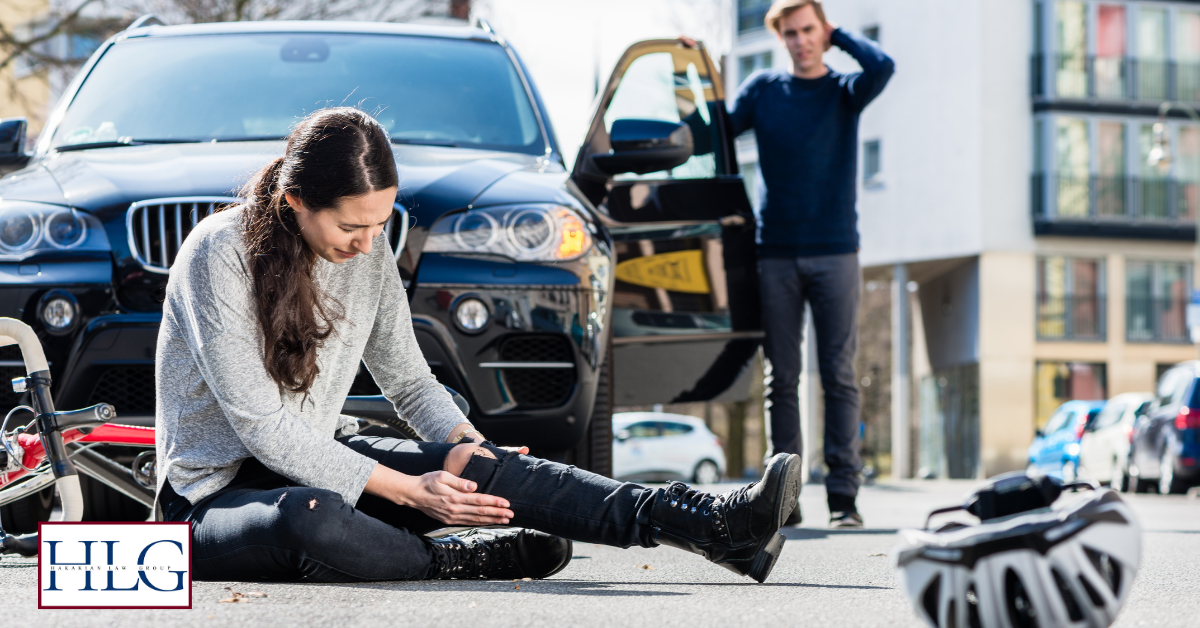
Ask the rideshare driver to show you the app so you know their status, and photograph the screen if they let you. Get the driver's name, plate, and rideshare company, since your claim runs through that company's insurer, not the driver's personal policy alone. Write down witness names and numbers before anyone leaves.
Everyone should preserve evidence early. Photos, medical bills, and repair estimates lose value once memories fade and vehicles get fixed.
The one mistake that costs victims the most is giving a recorded statement to Uber's or Lyft's insurer before talking to a lawyer. Those adjusters work for a corporate insurer, and they use recorded answers to shift blame onto you or shrink your payout. Politely decline, and let an attorney handle that conversation. A free consultation with Hakakian Law costs you nothing and protects you before you say something that hurts your claim.
FAQs
Can I sue Uber or Lyft directly? Usually not, because their drivers work as independent contractors rather than employees. You file instead against the company's insurance policy, which covers crashes that happen while the driver is active on the app.
What if the rideshare driver was at fault versus another driver? When the rideshare driver caused the crash while carrying you or en route to a pickup, Uber or Lyft's insurer typically pays. When another driver caused it, you pursue that driver's insurance first, and the rideshare policy may cover any shortfall through uninsured motorist protection.
Does it matter if I was a passenger or a pedestrian hit by a rideshare car? Both can recover, but the path differs. As a passenger, you almost always have a clear claim against the rideshare insurer. As a pedestrian or cyclist, your recovery depends on the driver's app status at the moment of impact, which sets the available coverage limits.
How long do I have to file a claim in California? You generally have two years from the date of the crash to file a personal injury lawsuit. Waiting hurts your case because evidence disappears and witness memories fade, so contact a lawyer early.
Do I need a police report to file a claim? A police report strengthens your claim by documenting fault and injuries, though it is not strictly required. Always call the police after a rideshare crash and get the report number.
What does it cost to hire a rideshare accident lawyer? At Hakakian Law, the consultation is free and you pay no fee unless we recover money for you. Our payment comes as a percentage of your settlement or verdict, so hiring us carries no upfront cost.
Why Choose Hakakian Law for Your Rideshare Accident Claim
Uber and Lyft carry insurers with legal teams whose job is to pay you as little as possible. Those companies handle thousands of claims a year, and they know the three-phase coverage rules better than most attorneys do. Hakakian Law knows them too, and we build each claim around the exact app status at the moment of your crash so the correct policy pays what it owes.
We treat every rideshare case as its own fight, not a file in a stack. You work directly with an attorney who investigates the driver's phase, identifies every liable party, and pushes back when an insurer tries to shift blame or lowball your medical costs. Aggressive representation matters most when the party on the other side has near-unlimited resources.
You pay nothing to start, and you pay nothing unless we recover money for you. The consultation is free, and our fee comes out of the settlement or verdict only if we win. That structure removes the biggest reason injured people wait to act. When there is no upfront cost, you can get legal help while the evidence is still fresh and the deadlines still favor you.
Acting quickly protects your claim. Screenshots disappear, witnesses forget, and California's filing deadlines keep running whether or not you have a lawyer.
Contact Hakakian Law today for a free consultation about your Uber or Lyft accident. Tell us what happened, and we will explain your options and what your claim is worth.
Disclaimer: This post is considered attorney advertising and is for informational purposes only. It does not create an attorney-client relationship. Past results do not guarantee future outcomes.