Personal Injury Claims in Los Angeles: 7 Things to Know Before You File
Why this list, and why now
If you just got hurt in Los Angeles, the first few days matter more than most people realize. A car accident on the 405, a fall in a grocery store, or an injury from a broken product can leave you dealing with pain, bills, and an insurance company all at once. Many first-time claimants make small mistakes early that cost them real money later, often before they ever talk to a lawyer.
You are not expected to know how any of this works. That is exactly why this list exists. Each point below answers one common question in plain words, so you can make good decisions while you focus on getting better.
1. A personal injury claim covers more than car accidents
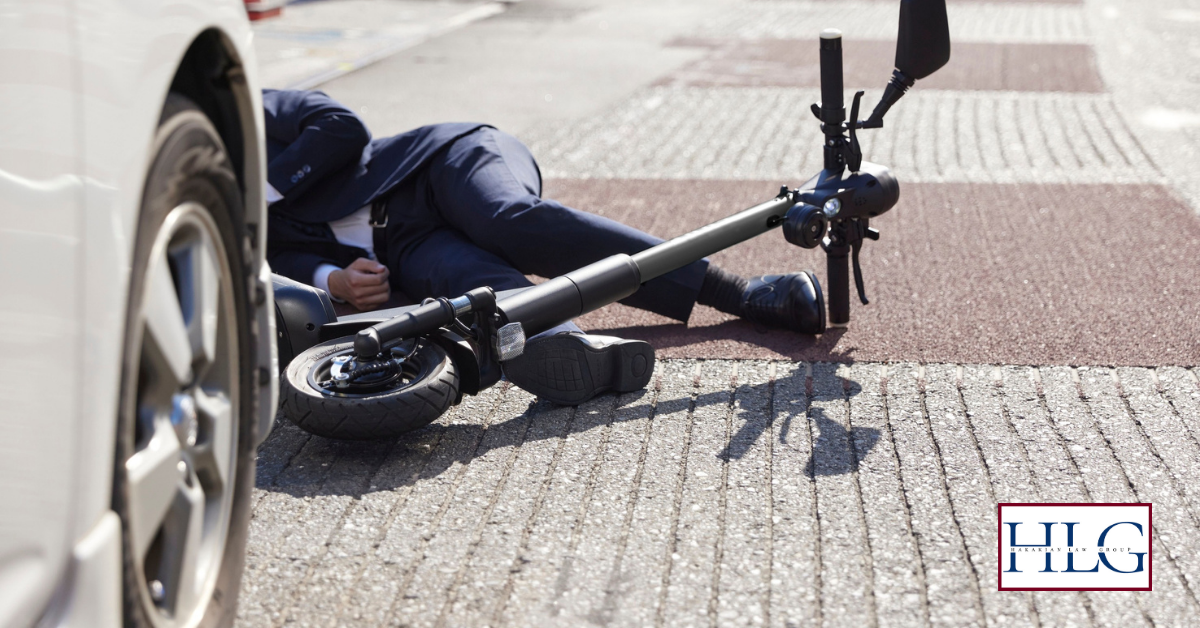
A personal injury claim covers any injury caused by someone else's carelessness, including car crashes, slip and falls, defective products, and dog bites. If another person or company hurt you and you had nothing to do with it, you likely have a claim.
Two things have to be true. First, someone else must be at fault. A driver ran a red light, a store left a wet floor with no sign, or a company sold a product that broke and hurt you. Second, you must have real harm to point to, like a hospital bill, missed paychecks, or lasting pain.
You do not need both parts figured out on day one. Many people are unsure whether their situation counts, and that is normal. A quick conversation with a personal injury lawyer usually clears it up fast, and it costs you nothing to ask.
2. Filing a claim in California follows a predictable sequence of steps
Every personal injury claim in California moves through the same five stages: get medical care, gather evidence, file the claim, negotiate, and reach a resolution. Knowing these stages ahead of time helps you see where you are and what comes next, so a slow month feels less like a dead end.
The first step matters most. See a doctor right away, even if you feel fine, because a medical record ties your injuries to the accident. From there, you or your lawyer collect proof, send the claim to the right insurer, and go back and forth until the insurer offers a fair number or you take the case to court.
3. The other driver's insurance adjuster is not on your side
Do not give a recorded statement, do not admit any fault, and do not accept the first settlement offer when the other driver's insurance company calls. These early phone calls sound friendly, but a wrong word can shrink what you recover.
The adjuster works for the at-fault driver's insurance company, and that company makes money by paying you as little as possible. Their job is to close your claim fast and cheap. A recorded statement gives them your words to use against you later. An early offer often arrives before you even know how badly you are hurt.
You are not required to explain how the crash happened or to guess at your injuries on that first call. You can be polite and still say very little. Give them your name, confirm you were in the accident, and tell them your attorney will handle the rest.
Even a phrase like "I'm fine" or "I didn't see them" can be twisted into an admission. Some injuries, like whiplash or a concussion, take days to show up. If you settle before a doctor checks you, you may pay those medical bills yourself. When in doubt, wait and let a lawyer speak for you.
4. First-party and third-party claims are handled differently
A first-party claim goes to your own insurance company. A third-party claim goes to the insurance company of the person who hurt you. The difference matters because it changes who you deal with and how hard they push back. When you file against your own insurer, you are their customer, and they generally move faster. When you file against the at-fault party's insurer, you are a cost they want to shrink, so expect more friction and lower first offers.
Both types can apply after one accident. You might use your own policy to cover medical bills right away, then pursue the other driver's insurer for the full amount of your damages.
5. Prop 213 can block uninsured drivers from recovering certain damages
If you were driving without insurance when you got hurt, California's Prop 213 usually stops you from collecting pain and suffering damages, even when the other driver caused the crash. You can still recover your economic losses, like medical bills and lost wages. What Prop 213 takes away is money for non-economic harm, meaning the physical pain, emotional stress, and loss of enjoyment that come with a serious injury. That part of a claim is often the largest, so the rule can shrink a settlement a lot.
A few exceptions bring those rights back. If the driver who hit you was drunk and later gets a DUI conviction, Prop 213 no longer blocks your non-economic damages. The rule also does not apply if you were not the owner or driver of the uninsured car. A passenger in an uninsured vehicle, for example, keeps the full right to recover.
Prop 213 is one of the trickiest parts of California injury law, and the exceptions turn on specific facts. If you were uninsured at the time of your accident, talk to a lawyer before you assume you have no case. You may still be owed more than you think.
6. Most claims settle, but timing depends on injury severity and insurer behavior
Most car accident claims in California settle in a few months to over a year, and how long yours takes depends most on when you finish medical treatment. Insurers want to know the full cost of your injuries before they pay. If you are still seeing a doctor, they cannot put a real number on your case yet.
That is why a broken bone that heals in six weeks settles faster than a back injury that needs surgery and months of physical therapy. Waiting to settle until you have recovered protects you. If you settle early and your injury turns out worse than expected, you cannot go back for more money.
Insurer behavior also drags things out. Some adjusters delay, ask for extra paperwork, or lowball you to see if you give up. The timeline table earlier in this article shows how each stage usually plays out, so a slow month rarely means anything has gone wrong. Steady progress matters more than speed.
7. California law sets a strict deadline, and most injury lawyers cost nothing upfront
In most California injury cases, you have two years from the date of the injury to file, and hiring a lawyer usually costs nothing until you win. Miss that two-year window and the court can throw out your case no matter how strong it is. If your claim involves a government entity, like a city bus or a pothole on a public road, the deadline drops sharply. You often have just six months to file a formal notice, so those cases move fast.
The two-year clock is the general rule for car crashes, slip and falls, and defective product injuries. Some situations start the clock later, such as when an injury takes time to show up. Because the exceptions get complicated, checking your specific deadline early protects you from losing the right to recover anything.
Cost stops many injured people from calling a lawyer, and that worry is easier to settle than most expect. Personal injury lawyers in California typically work on a contingency fee, which means you pay no money upfront and owe nothing unless the lawyer wins your case. Their fee comes out of the settlement or verdict, so the firm only gets paid when you do. That arrangement lets you get real legal help without pulling money out of your pocket while you are already hurt and dealing with bills.
Talk to someone before a deadline or an adjuster decides for you
You don't have to figure this out alone, and you don't have to decide anything today. A free consultation with Hakakian Law gives you a clear read on whether you have a claim, what it might be worth, and what deadlines apply to your case. There's no cost to talk, and no pressure to sign anything.
If you do move forward, you pay nothing upfront. The firm works on contingency, which means you owe no fee unless they win money for you.
The two people most likely to decide your outcome are a deadline and an insurance adjuster. Get answers before either one makes the choice for you.
FAQs
Can I file a claim without a police report? Yes. A police report helps, but photos, witness names, and medical records can still prove your case.
What if I was partly at fault? You can still recover money in California. Your payout drops by your share of the blame, so if you were 20% at fault, you get 80% of the total.
What if the other driver has no insurance? Your own policy may cover you if you bought uninsured motorist coverage. Check your policy or ask a lawyer to check for you.
How much does it cost to talk to a lawyer? The first meeting is free. Most injury lawyers only get paid if they win your case.
Do I have to go to court? Usually no. Most claims settle without a trial, but a lawyer will file suit if the insurer refuses a fair offer.
Disclaimer: This post is considered attorney advertising and is for informational purposes only. It does not create an attorney-client relationship. Past results do not guarantee future outcomes.