Types of Vehicle Accidents in Los Angeles: A Complete Guide
Why crash type changes everything about your claim
The type of crash shapes who may owe you money and which insurance policies may cover your injuries. A two-car collision may involve one driver’s policy. A rideshare, truck, bus, or rental scooter crash may involve a company, a public agency, or several insurers.
Each crash also requires different evidence. Photos and witness statements can help in any case, while truck records, rideshare app data, bus camera footage, or phone records may reveal who caused the collision. Public agency claims may also have shorter filing deadlines.
Each entry below starts with a clear definition. It then covers common causes and explains who may be liable, so you can quickly find the details that fit your accident.
Rear-end, intersection, and head-on collisions
Rear-end, intersection, and head-on collisions describe where and how two cars strike each other. Photos, video, witness accounts, vehicle damage, and traffic rules help show which driver caused the crash.
Common causes
- Rear-end crashes often involve following too closely, speeding, or distracted driving.
- Intersection crashes often involve missed stop signs, red-light violations, unsafe turns, or confusion over right-of-way.
- Head-on crashes often occur when a driver crosses the center line while distracted, impaired, speeding, or passing unsafely.
Who is usually liable
The rear driver often bears fault in a rear-end collision because drivers must leave enough stopping space. However, the front driver may share fault after cutting into a lane, reversing, or driving without working brake lights.
Intersection fault depends on who had the right-of-way. Signal records, traffic cameras, and witness statements can help when drivers give conflicting accounts.
A driver who crosses the center line usually bears fault for a head-on crash. A tire failure, unsafe road, or another driver’s actions may change that finding. California can divide fault when more than one person contributed.
After any of these crashes, get medical care, report the collision, photograph the scene and damage, and avoid admitting fault before the evidence is reviewed.
Motorcycle accidents
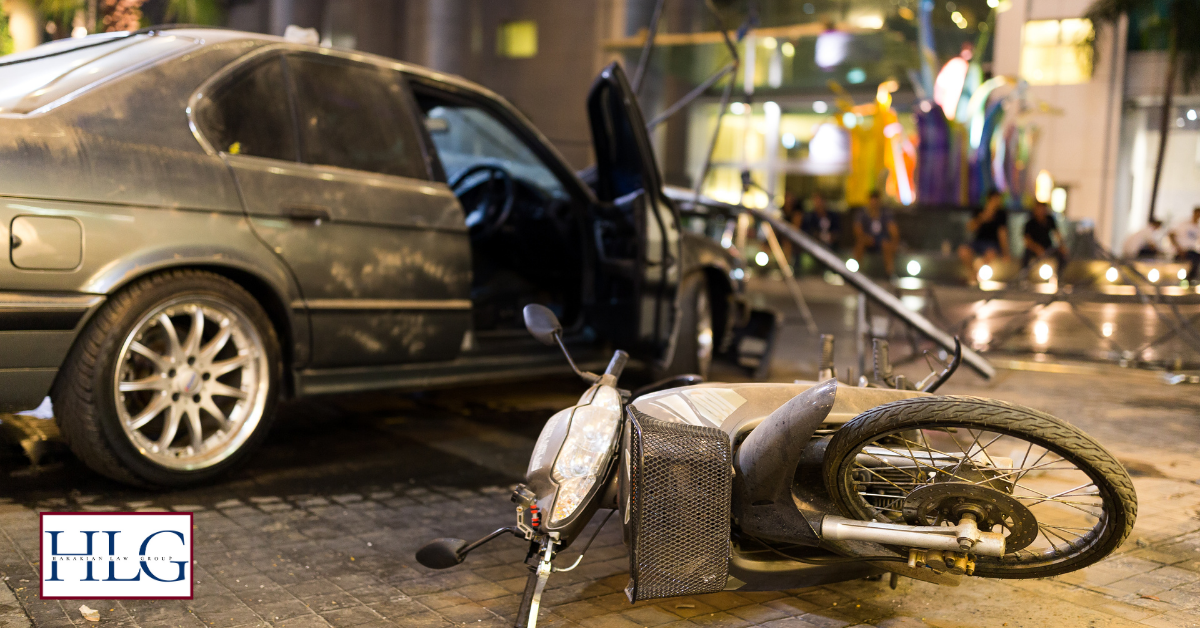
Motorcycle accidents often cause serious injuries because riders lack the protection of an enclosed vehicle. Insurers may blame the rider based on assumptions about speed or risky riding, so photos, video, witness statements, and the police report can help show what happened.
Common causes
- A driver turns left across a motorcycle’s path.
- A driver changes lanes without checking blind spots.
- A driver misjudges a rider who is lane splitting.
- Speeding, unsafe road conditions, or an opening car door causes a collision.
Who is usually liable
The driver may bear fault when they fail to yield, make an unsafe turn, or enter a rider’s lane. A rider may share fault when speeding or making an unsafe move contributes to the crash. Lane splitting alone does not decide liability. Investigators must consider traffic conditions and how both people acted.
After a crash, move to safety if possible, seek medical care, photograph the motorcycle and road, and avoid giving the insurer a recorded statement before you understand your rights.
Commercial truck and big rig accidents
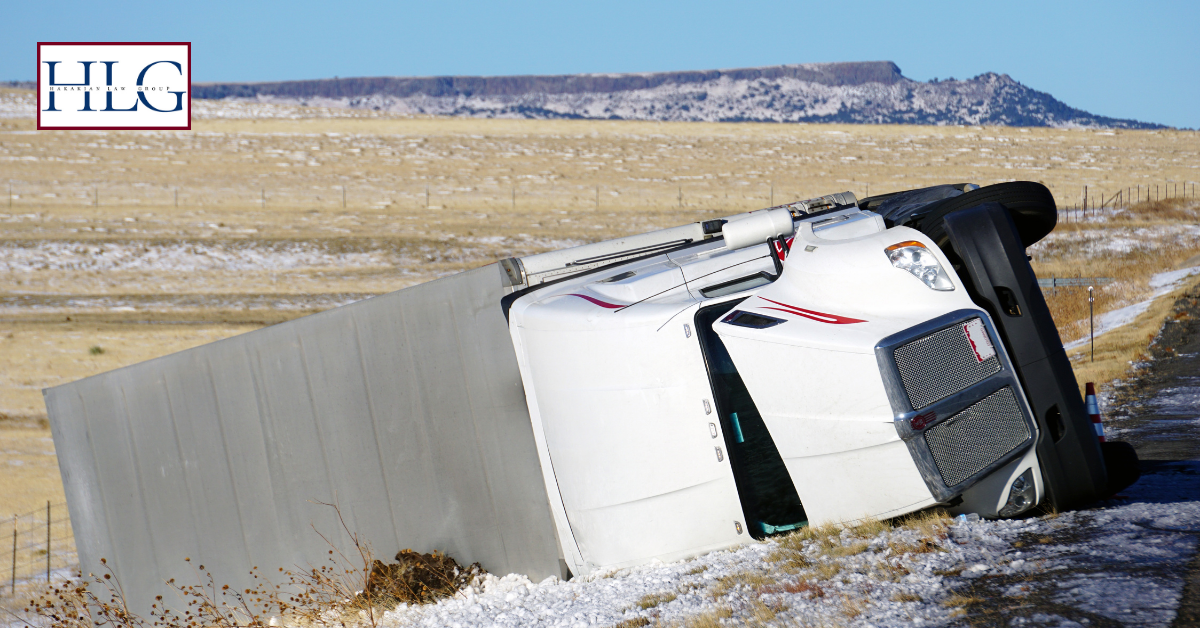
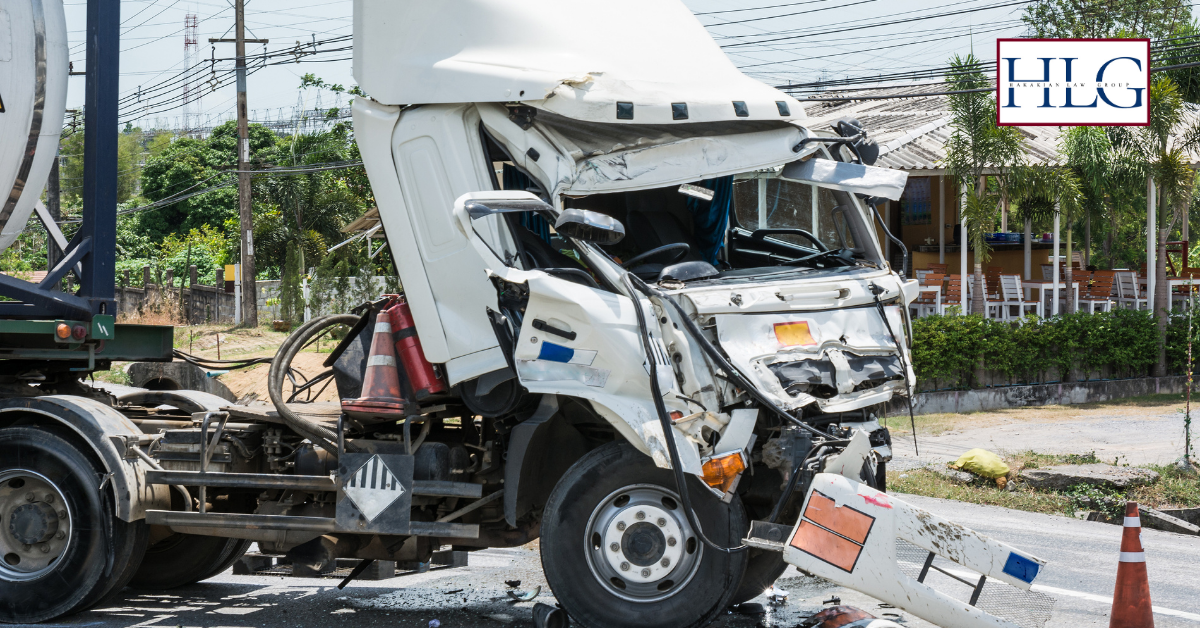
Commercial truck and big rig accidents involve a tractor trailer or another heavy commercial vehicle. Their size can cause severe injuries, while company records and several layers of insurance can make fault harder to determine.
Common causes
- A driver may cause a crash by speeding, driving while tired, or making an unsafe lane change.
- A trucking company may hire an unqualified driver or push schedules that encourage unsafe driving.
- A cargo loader may overload a trailer or fail to secure freight.
- A maintenance provider may overlook worn brakes, damaged tires, or other safety problems.
Who is usually liable
The truck driver may bear fault for careless driving. The trucking company may share liability for its own conduct or for work performed by its employee. Cargo loaders, maintenance contractors, parts makers, and other drivers may also bear responsibility when their actions contributed to the crash.
After a truck accident, call 911, get medical care, and photograph the vehicles if you can do so safely. A lawyer can quickly request driver logs, inspection records, and electronic truck data before the company loses or overwrites that evidence.
Rideshare accidents (Uber and Lyft)
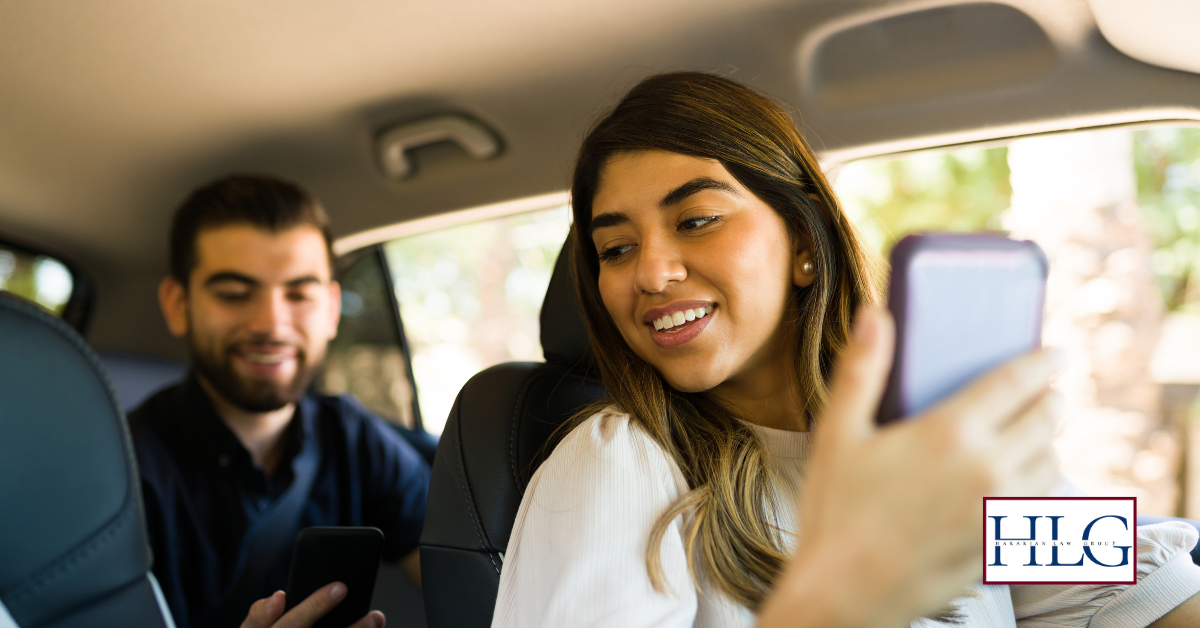
A rideshare accident involves an Uber or Lyft driver who crashes while using the app, waiting for a request, or completing a trip. The driver’s app status often determines which insurance policy covers the injuries.
Coverage by ride status
- App off. The driver’s personal auto insurance generally applies.
- Waiting for a match. Limited rideshare coverage may apply if the personal insurer denies coverage.
- Driving to a passenger. The rideshare company’s larger commercial policy generally applies after the driver accepts a request.
- Passenger aboard. Commercial rideshare coverage generally continues until the trip ends.
Common causes include unsafe pickups, distracted app use, speeding, sudden lane changes, and driver fatigue. Another motorist, cyclist, or pedestrian may also cause the collision.
Who is usually liable
The person who caused the crash usually bears legal responsibility. Payment may come through the rideshare driver’s personal insurer, Uber or Lyft’s insurer, or another road user’s policy. Uninsured or underinsured motorist coverage may apply when the responsible driver lacks enough insurance. Save your ride receipt, screenshot the trip status, and report the collision through the app because those records can establish which policy was active.
Bicycle accidents
A bicycle accident involves a rider struck by a vehicle, an opening car door, or another road hazard. Cyclists have little physical protection, so even a low-speed crash can cause serious injuries. Fault disputes often focus on right of way, bike-lane use, and whether the driver could see the cyclist.
Common causes include
- A driver or passenger opening a car door into a cyclist’s path
- A driver passing without enough space
- A vehicle turning across a bike lane
- A driver pulling out of a driveway without yielding
- A cyclist or driver ignoring a traffic signal
Who is usually liable
A driver may be liable for unsafe passing, failing to yield, or making an unsafe turn. A person who opens a car door may also bear fault. A cyclist can share responsibility if they break a traffic rule, but shared fault does not always prevent recovery.
After a crash, get medical care and photograph the bicycle, vehicle, road signs, and bike lane. Collect witness details and avoid repairing the bicycle until the damage has been documented.
E-bike and electric scooter accidents
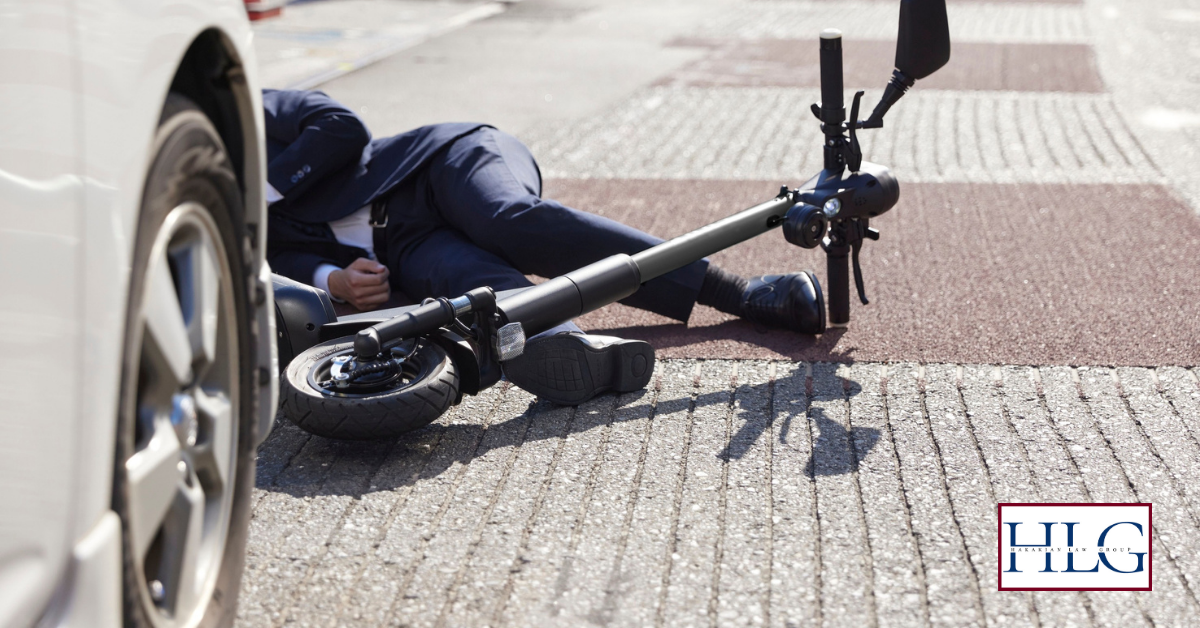
E-bike and electric scooter accidents involve powered vehicles that offer riders little protection. Los Angeles traffic, uneven pavement, and limited visibility can turn a minor mistake into a serious injury.
Common causes
- Riders may ignore traffic signals, ride against traffic, or enter a sidewalk too quickly.
- Drivers may fail to yield, open a car door, or turn across a rider’s path.
- Faulty brakes, damaged tires, or other defects may cause a rental scooter or e-bike to fail.
Who is usually liable
A careless rider may be liable for hitting a pedestrian, driver, or parked car. A driver may be liable for speeding, unsafe turns, or failing to yield. A rental company or product maker may share fault when poor maintenance or a defective part caused the crash. A city or property owner may also bear responsibility for a dangerous road or walkway, depending on the facts.
After a crash, photograph the vehicle, road, and injuries. Save the rental receipt, app records, and vehicle identification number before the company removes or repairs the device.
Pedestrian accidents
Pedestrian accidents often depend on crosswalk signals and right-of-way rules. Drivers must yield when required at marked and unmarked crosswalks, but pedestrians must obey signals and avoid stepping suddenly into traffic.
Common causes
- A driver fails to yield while turning.
- A driver backs out of a driveway or parking space without checking.
- A distracted driver misses a pedestrian near a crosswalk.
- Speeding leaves too little time to stop.
Who is usually liable
The driver often bears fault when they fail to yield or check before moving. A pedestrian may share fault if they cross against a signal or enter traffic unsafely. Other responsible parties may include an employer whose worker caused the crash.
After a collision, call 911, get medical care, photograph the area and signals, and collect witness information. Camera footage can disappear quickly, so request nearby business or traffic recordings as soon as possible.
Bus accidents
A bus accident involves a public transit bus, school bus, shuttle, tour bus, or another privately operated passenger bus. Injured passengers, pedestrians, cyclists, and people in other vehicles may have claims.
Common causes
- Driver fatigue, distraction, speeding, or unsafe turns
- Poor training or unsafe company policies
- Faulty brakes, tires, or other bus parts
- Another driver’s careless actions
Who is usually liable
A public transit agency may be responsible when its driver causes a crash while working. Private bus cases may involve the driver, the bus company, a maintenance contractor, or another motorist. A parts maker may share fault when defective equipment contributes to the crash.
Claims against a government transit agency follow special notice rules. California may require an injured person to file a government claim within six months, which is much sooner than the deadline for many injury lawsuits. Report the crash, get medical care, save your ticket or ride details, and speak with an attorney promptly.
Hit-and-run incidents
A hit-and-run occurs when a driver leaves without stopping to exchange information or help an injured person. The crash may involve another vehicle, a cyclist, a pedestrian, or parked property.
- Common causes include drunk driving, distracted driving, driving without insurance, and fear of arrest.
- Witness statements, camera footage, vehicle details, and partial plate numbers can help police identify the driver.
- A prompt police report records the crash and supports both the investigation and an insurance claim.
Who is usually liable
The fleeing driver usually bears liability when evidence shows that the driver caused the crash. If police identify the vehicle, its owner or the driver’s employer may also share responsibility in some cases.
Recovery may remain available when police cannot find the driver. Uninsured motorist coverage may pay for injuries caused by an unknown driver, depending on your policy and timely reporting. Collision coverage may help pay for vehicle repairs.
Call the police, seek medical care, photograph the scene, find witnesses, and notify your insurer. Do not chase the fleeing vehicle.
Drunk and distracted driving crashes
Drunk and distracted driving crashes can take any form, including rear-end, head-on, pedestrian, and motorcycle collisions. The category focuses on the unsafe behavior that caused the crash.
Common causes and evidence
- Alcohol or drug impairment may slow reaction time and affect judgment.
- Texting, phone calls, navigation apps, and other distractions may take a driver’s eyes or attention off the road.
- BAC test results, police body-camera footage, witness statements, receipts, and phone records can help prove the driver’s conduct.
Who is usually liable
The impaired or distracted driver usually bears civil liability. An employer may share fault if the driver caused the crash while working, and another party may be responsible for negligently entrusting the vehicle to an unsafe driver.
A criminal case can punish drunk or reckless driving, while a civil claim seeks payment for the victim’s injuries and losses. Prosecutors control criminal charges, but an injured person can pursue a civil claim even without a conviction. Evidence of intoxication or especially reckless distraction may also support punitive damages, which aim to punish extreme misconduct.
What to do immediately after any crash
- Get to safety. Move away from traffic if you can. Call 911 if anyone may be hurt or the crash creates a road hazard.
- Check everyone for injuries. Do not refuse medical help because you feel fine. Pain and other symptoms may appear hours later.
- Exchange information. Get each driver’s name, contact details, license plate, driver’s license, and insurance information. If witnesses stopped, ask for their contact details.
- Document the scene. Take photos or video of the vehicles, damage, road, traffic signs, injuries, and nearby cameras. Save rideshare receipts or rental scooter details when relevant.
- Report the crash. Cooperate with police and give clear facts without guessing or accepting blame. Notify your insurer soon, but avoid a recorded statement until you understand your options.
- Keep all records. Save medical bills, repair estimates, pay records, and messages about the crash.
For help reviewing fault, insurance, and next steps, request a free case review from Hakakian Law.
FAQs
Who pays when several parties share fault?
Shared fault means two or more people or companies may owe part of your damages. In a truck, rideshare, or multi-car crash, drivers and businesses may each carry responsibility. Identifying every responsible party can reveal additional insurance coverage.
What if the other driver has no insurance?
Uninsured motorist coverage may pay for injuries caused by an uninsured driver or a driver who flees. Hakakian Law can review your policy and other possible sources of payment. A free case review can help you understand your options before you accept an insurance decision.
Disclaimer: This post is considered attorney advertising and is for informational purposes only. It does not create an attorney-client relationship. Past results do not guarantee future outcomes.